Slate’s Electric Pickup: How to Get Updates Without a Screen
Slate Auto introduces a unique approach to software updates for a vehicle that lacks an infotainment system and internet connectivity.
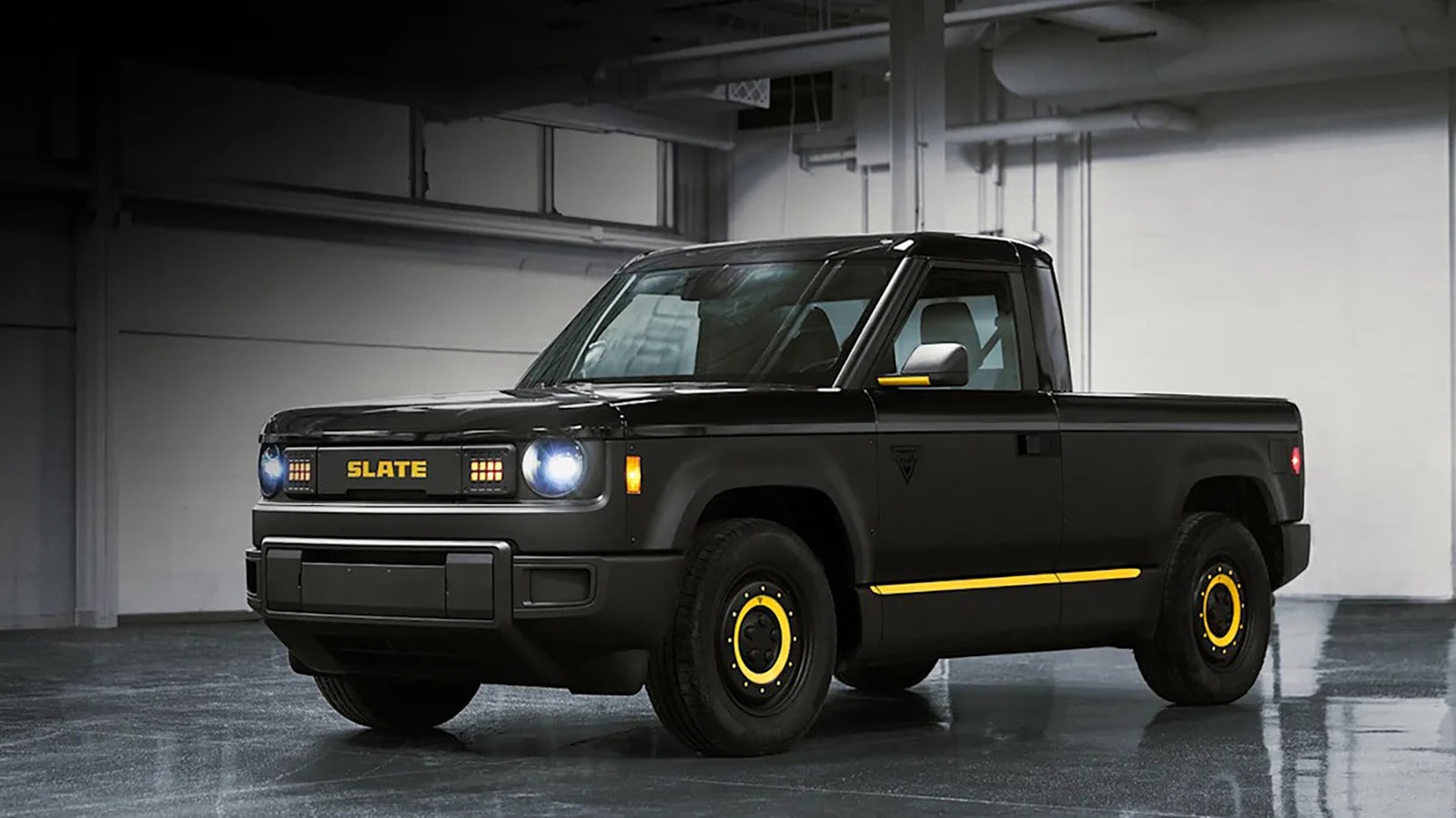
In a modern automotive world where almost every new model is constantly connected to the internet and equipped with large touchscreens, Slate Auto has chosen a radically different path. The company’s new electric pickup, priced at under $25,000, is a prime example of minimalist design. It features no radio, speakers, or power windows, and the vehicle lacks even paint—the body is covered in a vinyl wrap.
Technological Minimalism in Practice
Although the pickup lacks built-in cellular connectivity or any form of entertainment system, the manufacturer still provides Over-the-Air (OTA) software updates. This process is carried out via a smartphone. Users must download the Slate app and, when an update becomes available, connect their phone to the vehicle’s dashboard using a USB cable. Data transfer takes about a minute, after which the vehicle performs the installation process independently, which takes approximately 45 minutes.
Slate Auto explains that these updates are primarily focused on bug fixes and minor system improvements. The app also functions as a dashboard: it displays remaining range, helps the driver find charging stations, and sends routes to Google Maps, Apple Maps, or Waze.
Business Model and Additional Capabilities
Slate’s business strategy is based on keeping the vehicle as inexpensive as possible by removing all components not directly related to driving and safety. However, buyers can purchase additional options, such as a sound system, an iPad mount to serve as a screen, or even a module that converts the pickup into a five-seat SUV. A fully equipped model can exceed $45,000.
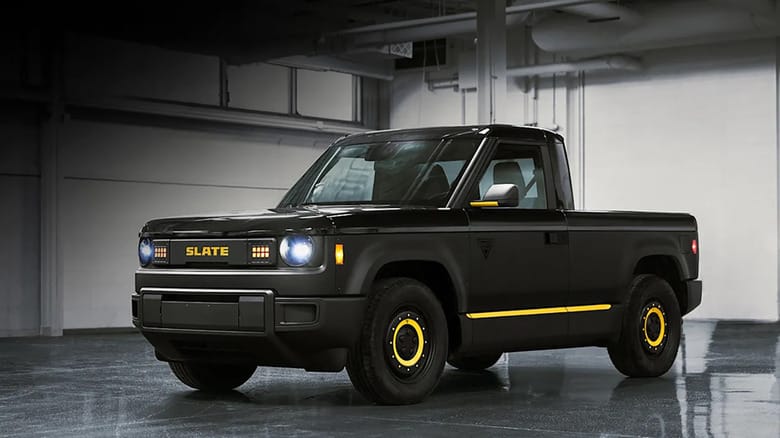
In terms of technical specifications, the vehicle has a range of approximately 330 kilometres on a single charge, a payload capacity of up to 700 kilograms, and a towing capacity of up to 900 kilograms. These figures make it better suited for small urban deliveries than for long-distance travel.
Privacy and the Future
The company places special emphasis on data protection. Slate states that it does not sell user app data and collects only the information necessary for diagnostics and service. This approach may prove attractive to drivers who are dissatisfied with the aggressive data collection policies found in modern vehicles.
However, the question remains: how ready is the market for an electric pickup that makes such significant compromises in comfort? Nevertheless, Slate’s attempt to create an accessible and simple vehicle is a significant development for an automotive industry where technological complexity often leads to rising prices.