Slate Upgrades Electric Pickup with New Battery Technology
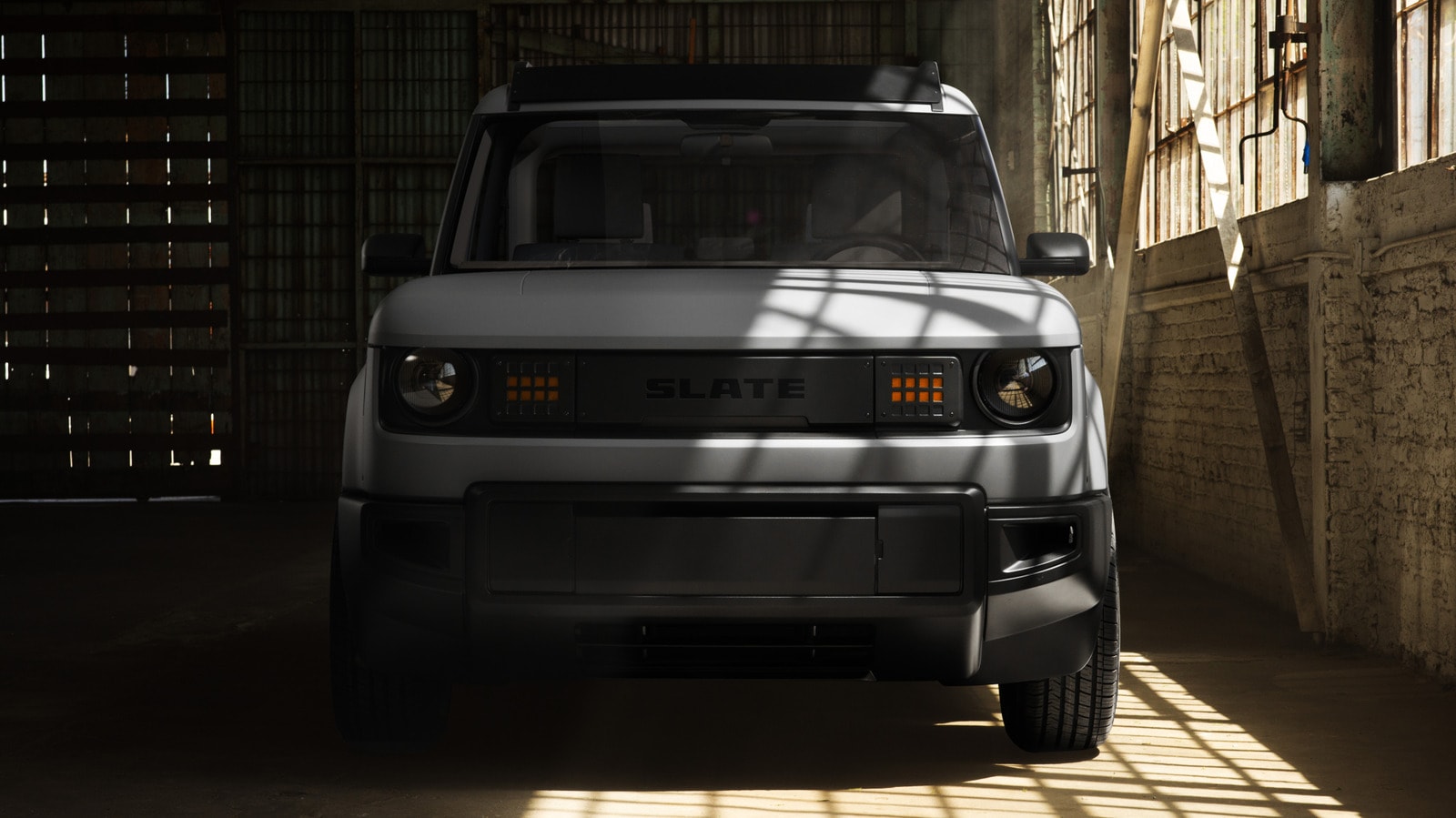
The Slate electric pickup, first announced in April 2025, is undergoing significant technical adjustments. The company has decided to abandon its original plans for nickel-manganese-cobalt (NMC) batteries in favour of lithium-iron-phosphate (LFP) technology. This shift is designed not only to optimise production costs but also to provide practical benefits to vehicle owners. ## Increased Range and Optimised Design Originally, Slate planned to equip its base model with a 52.7 kWh battery, providing a range of approximately 240 kilometres (150 miles). With the new 65 kWh LFP battery, manufactured by Gotion in Illinois, that figure has increased to 330 kilometres (205 miles). Notably, the company has managed to maintain the starting price of $24,950. Slate CEO Chris Barman stated that the new batteries use prismatic cells that are placed directly into the pack without individual modules. This design allows for more efficient use of space. However, the change comes with trade-offs: the vehicle's power has been reduced from 201 horsepower to 181, and due to space constraints, the company has dropped plans for an extended-range version. ## Why LFP and Market Context LFP batteries are significantly cheaper as they do not require expensive nickel or cobalt. Furthermore, this chemistry is more durable, allowing users to charge to 100% more frequently, which is convenient for shorter-range vehicles. Localised production is also a key factor: Gotion’s Illinois plant is only 145 kilometres away from Slate’s factory, significantly reducing logistics costs. Initially, Slate planned to use NMC batteries from SK On to meet U.S. federal tax credit requirements. However, following the cancellation of those credits in late September 2025, it became more viable for the company to switch to the more affordable and efficient LFP technology. ## What This Means for the Consumer Slate buyers will now receive a single, standardised model backed by a 10-year or 177,000-kilometre (110,000-mile) warranty. While the 205-mile range remains an estimate rather than an EPA-verified figure, the company is confident in its decision. This move underscores a growing trend among automakers to choose more practical and accessible battery technologies to maintain price points and simplify production.