Skyrim Designer Discusses Player Choice in Modern RPGs
Bruce Nesmith evaluates the differing approaches of Baldur's Gate 3 and Bethesda, noting that both offer compelling experiences.
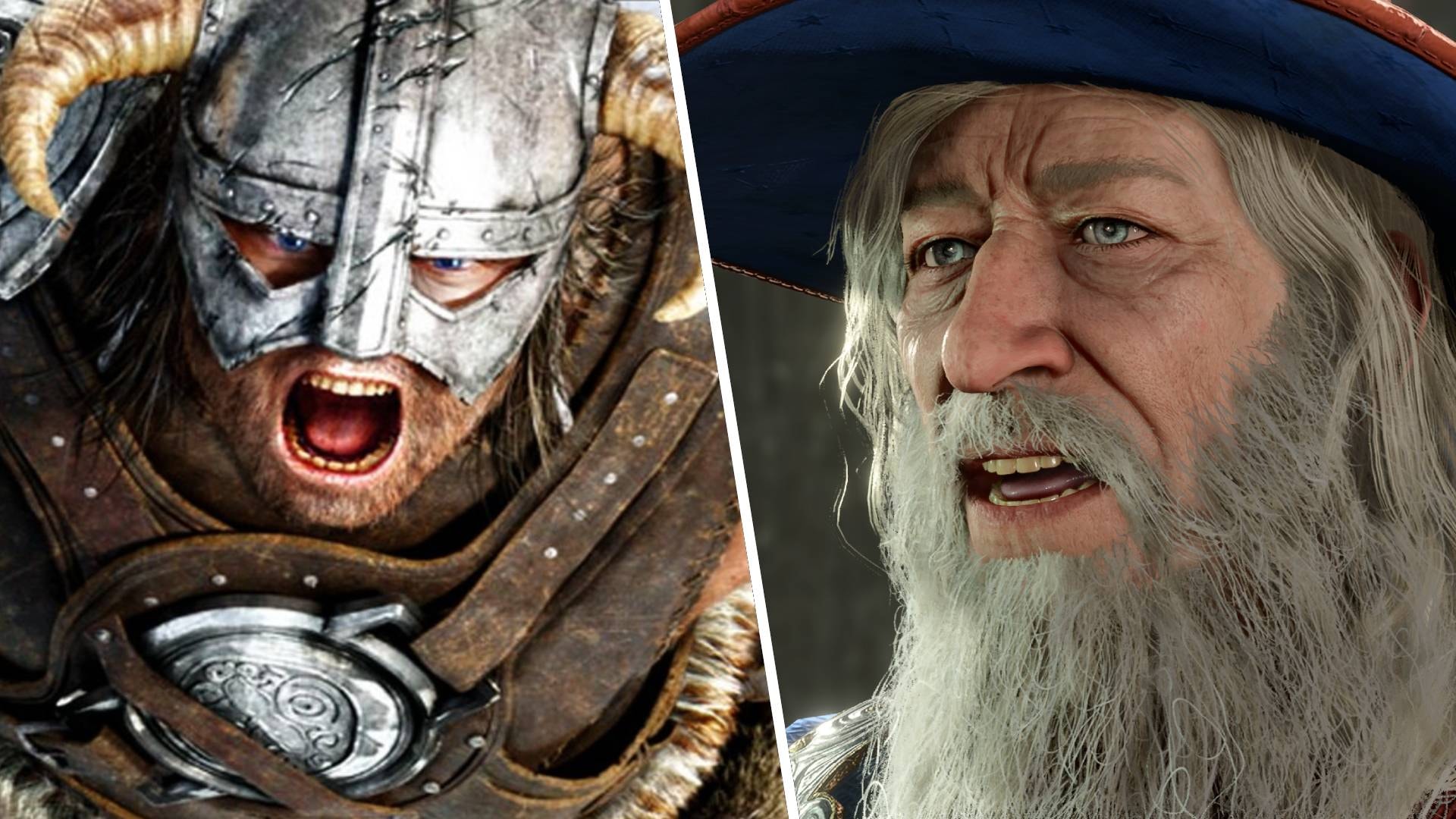
Discussing the evolution of role-playing games, former Skyrim lead designer Bruce Nesmith has shared his perspective on how different studios approach player agency. He notes that while the Baldur's Gate 3 model—where choices can permanently lock off narrative paths—is deeply satisfying, it does not diminish the effectiveness of Bethesda’s traditional design philosophy.
Two Different Worlds
Nesmith highlights that Larian Studios did an excellent job adapting Dungeons & Dragons rules into a video game. In Baldur's Gate 3, decisions have tangible consequences, often forcing players to start over or choose a different path to see specific scenarios. This approach creates a strong sense that player choice truly matters.
Conversely, Bethesda games, such as The Elder Scrolls series, have always been built on the principle of letting the player try everything. In these worlds, a single character can lead the Thieves Guild while simultaneously heading the Mages Guild. Nesmith believes both approaches are valid and not mutually exclusive; the success of either depends on the quality of the game design.
Is There Room for Compromise?
Although Bethesda games focus on freedom, the studio’s history does include instances where choices limit progression. For example, in Morrowind, certain factions are hostile toward one another, often making it impossible to complete all their quests simultaneously. Similarly, in Skyrim, the Civil War questline or the Dark Brotherhood missions force players to make definitive choices, which adds depth to the experience.
Experts suggest that in future titles, such as The Elder Scrolls VI, seeing more of these complex narrative threads would be welcome. When decisions carry real weight, it increases player engagement and world-building realism. However, it is important that these constraints do not feel forced or artificially restrictive, as seen in some other projects.
What This Means for Players
Ultimately, Nesmith’s position confirms that there is no single "best" way to design an RPG. Players can enjoy both the "sandbox" style of Bethesda, where every door is open, and the intricate drama of Baldur's Gate 3, where every step has a price. For gamers, this means the industry is diverse, and everyone can find the style that best suits their personal gaming preferences.