Sierra Launches Poppy 1.0 Protocol for AI Agents
A new standard for AI-website interaction gains support from major global brands.
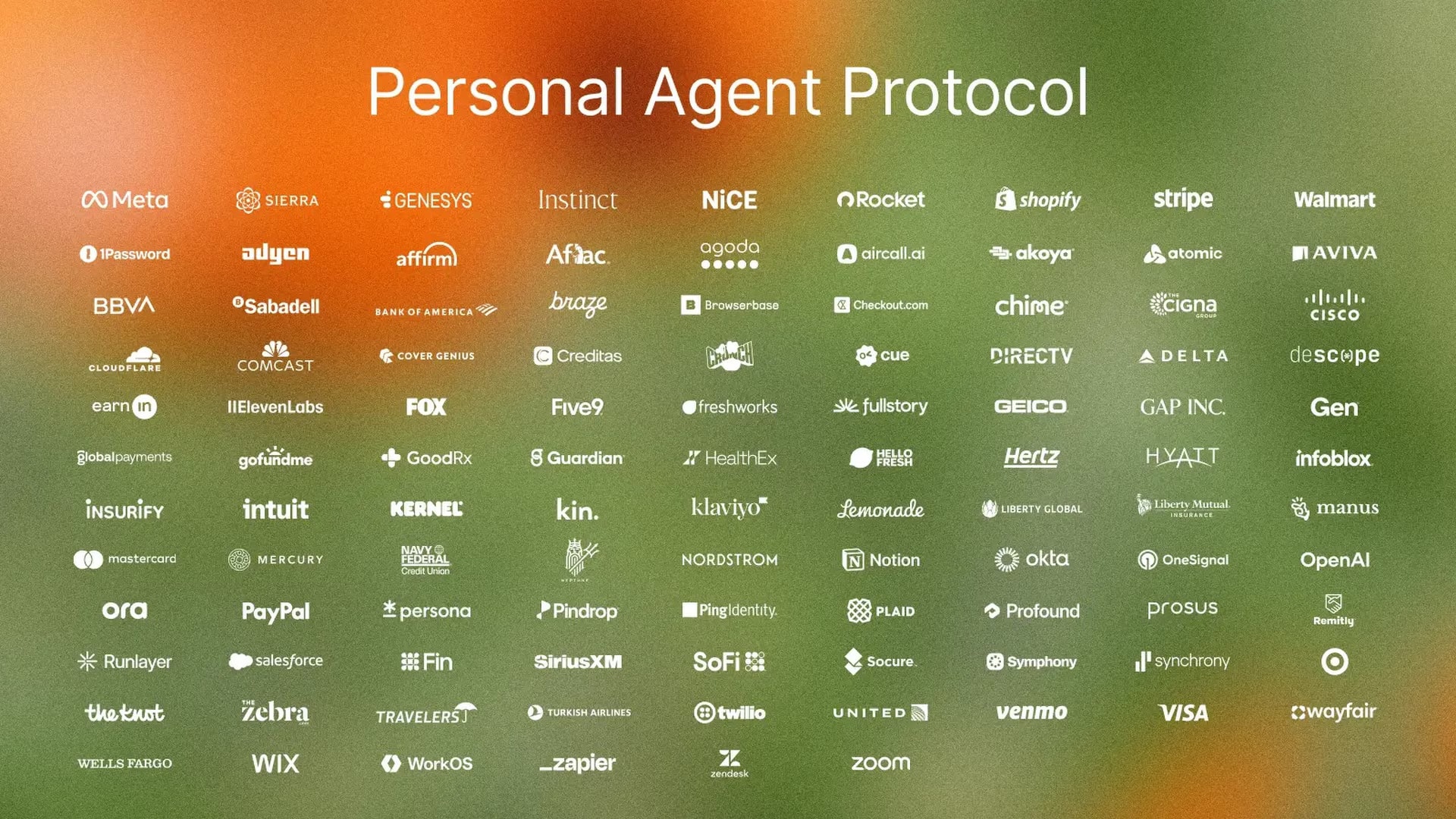
AI startup Sierra has officially released Poppy 1.0, a protocol designed to define how personal AI agents interact with company websites. This initiative aims to simplify how AI navigates digital spaces and executes specific tasks.
How Poppy 1.0 Works
Poppy allows companies to clearly share information with AI agents regarding their identity and the permissions the agent holds while on a site. For instance, the system enables an agent to check a user's order status or book a flight. Security remains a priority: after completing standard authentication, users decide what level of access their personal AI assistant has.
Every online store on the Shopify platform has already enabled Poppy support. This means store owners do not need to perform additional technical work. The protocol automatically establishes a connection between the agent and the site, while payments and cart management remain under Shopify's existing systems. Crucially, an agent must obtain user consent before performing any financial or confidential action.
Who Has Joined the Initiative?
Sierra, led by former Salesforce co-CEO Bret Taylor, already has over 100 partner companies. These include industry giants such as Delta Air Lines, Intuit, Salesforce, and Zoom. Meta’s involvement is particularly notable: the company’s Muse agent, which already has over 10 million users, checks for the presence of Poppy when visiting any website.
Practical examples are already in place: customers of the banking firm Mercury can use agents to check balances or initiate payments, while in the case of Turkish Airlines, agents help passengers compare ticket prices and find business-class upgrade options.
What Is Next for the Technology?
Although Sierra has released the protocol as version 1.0, the documentation is still considered a draft. This means future changes are possible, which could potentially cause temporary disruptions to existing integrations. Poppy is not the only effort in this space; Visa and Mastercard are working on their own identification mechanisms for AI agents, while Amazon is encouraging its customers to use its own AI assistant.
For users in Georgia, this development is significant as AI agents become increasingly integrated into daily digital life. As more international platforms adopt such standards, the use of automated services will become safer and more efficient, including for those accessing them from Georgia.