Should You Use WD-40 to Clean Your Electronics?
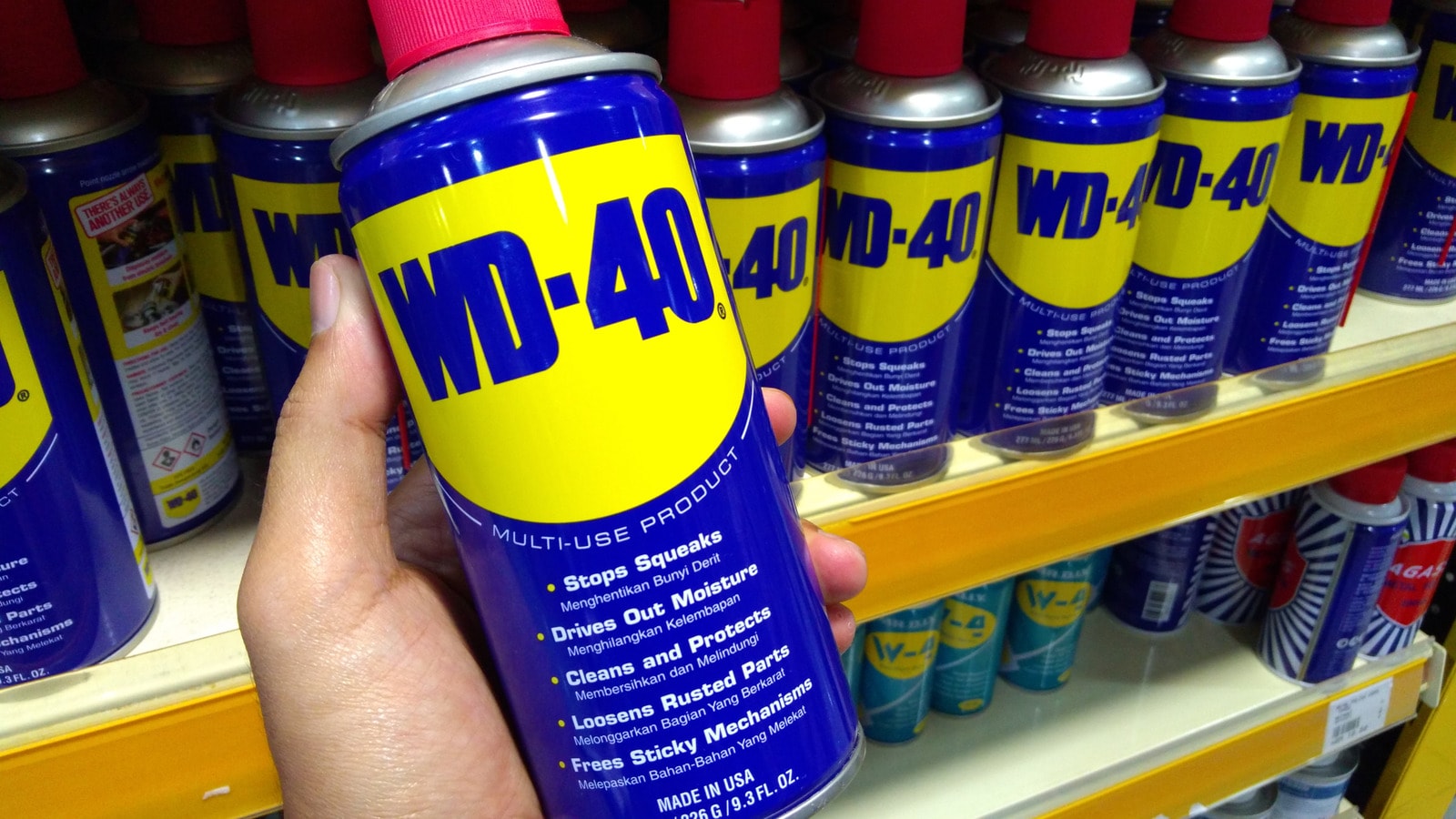
Why Classic WD-40 Should Stay Away From Electronics
WD-40 is as essential to our daily lives as a screwdriver or adhesive tape. Created in 1953, the product was originally designed for the aerospace industry to protect Atlas rockets from corrosion. However, despite its versatility, it should never be used to clean electronics.
The issue lies in the product's chemical composition. Classic WD-40 contains petroleum-based lubricants that leave an oily residue on surfaces. While this is ideal for door hinges or rusty parts, it acts as a "dust magnet" on electronic components. Over time, this accumulated grime significantly hinders the device's performance.
The Real Danger: Short Circuits and Fire
More alarmingly, the residue left by WD-40 is electrically conductive. If applied to parts like USB ports or motherboard components, the liquid can cause a short circuit. Furthermore, the substance is flammable, turning your device into a potential fire hazard. In short, using the classic formula on electronics causes only damage and provides no benefit.
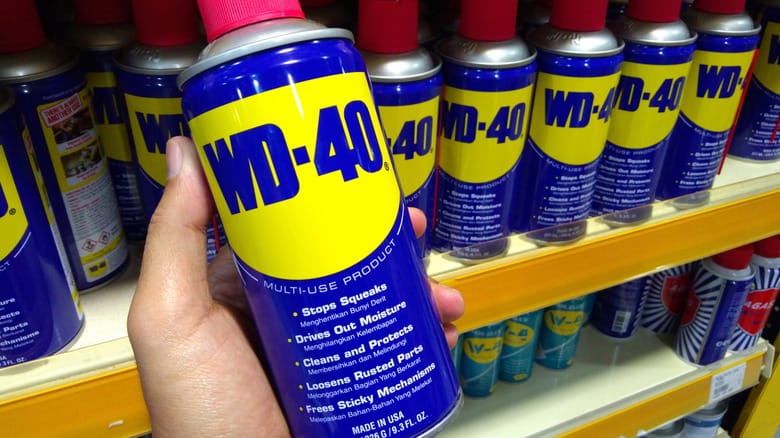
What Should You Use Instead?
If you prefer to stick with the brand, the company offers a specialized line: WD-40 Specialist Contact Cleaner. This liquid is designed specifically for electronics; it leaves no residue, is non-conductive, and dries quickly.
However, purchasing specialized chemicals is not always necessary. The best and most accessible method for maintaining electronics is using 90-99% isopropyl alcohol and a microfiber cloth. For removing dust, a can of compressed air is ideal, especially for cleaning laptop fans and keyboard crevices.
Conclusion
The golden rule for cleaning electronics is to never use household lubricants. If your gadget is dirty, opt for "contact cleaners" specifically designed for this purpose or high-concentration alcohol. This will ensure your device has a longer lifespan and save you from unexpected technical problems.