Savannah Police Officer Dismissed Over Security Breach
Security Breach and Termination
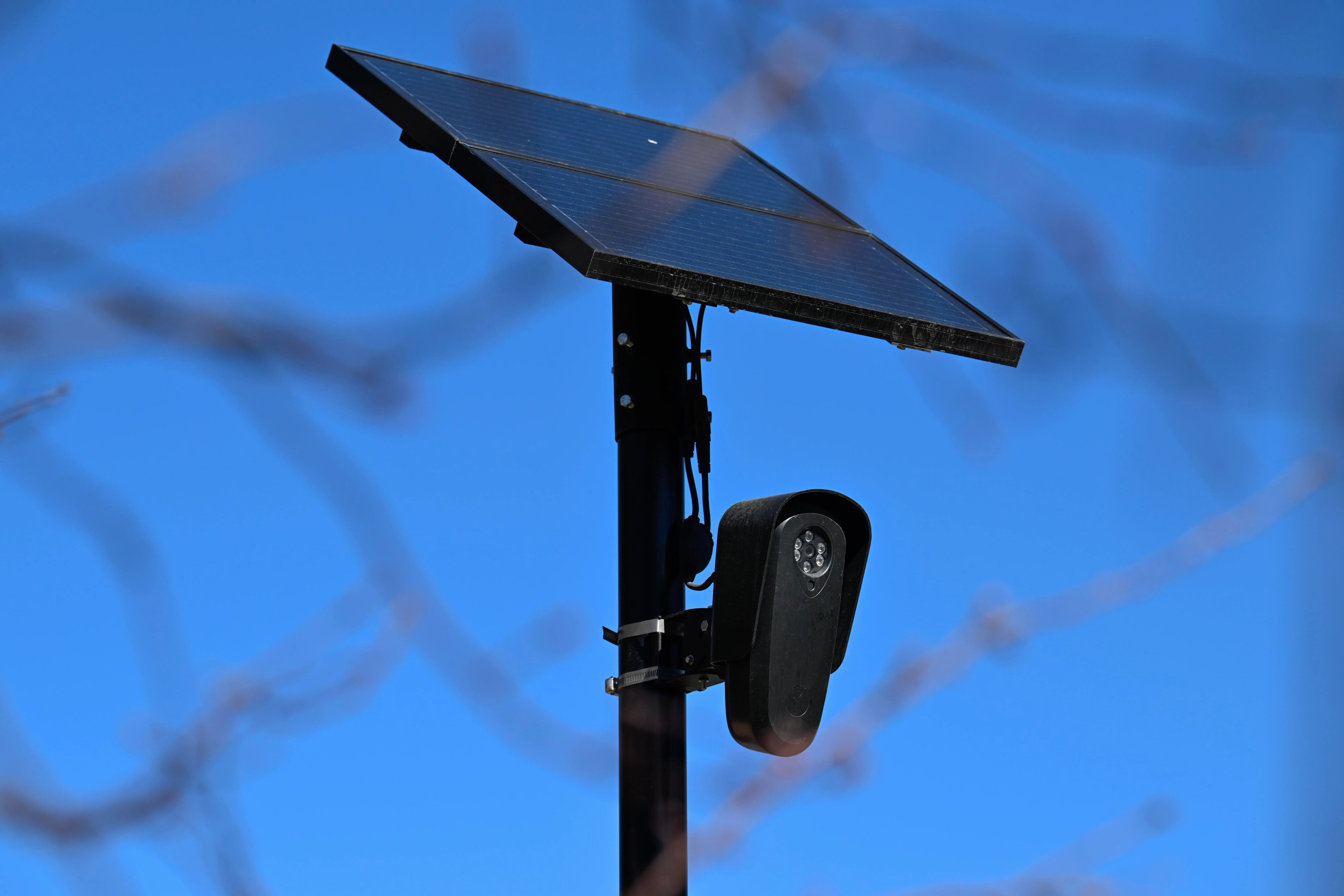
The Savannah Police Department (SPD) has terminated officer Amber Harpe following an internal investigation. The inquiry revealed that Harpe shared her access credentials for the Flock system with her husband, Tyler Harpe, an agent with U.S. Immigration and Customs Enforcement (ICE). Flock is a surveillance technology used for automatic licence plate recognition to assist police in criminal investigations.
The department maintains that the Savannah Police does not collaborate with ICE regarding the sharing of Flock data. Consequently, providing unauthorized access to the system violated strict security protocols. Although Amber Harpe’s immediate supervisor initially recommended an eight-hour disciplinary suspension, senior leadership—specifically Major Michelle Halford and Assistant Police Chief Robert Gavin—opted for more severe measures, resulting in her dismissal.
Unauthorized Searches and Discrimination Concerns
After gaining access to the system, Tyler Harpe performed 983 searches within the Flock database, involving 97 different vehicle licence plates. Investigative materials indicate that these vehicles were largely registered to Spanish-speaking drivers. This pattern has raised questions regarding the intent behind these data queries.
The Harpes deny the allegations, claiming that the system was not used for personal reasons and that all searches were exclusively related to law enforcement activities. Despite this defense, the department considers the matter closed and has upheld the decision to terminate the officer.
Systemic Departmental Issues
Amber Harpe’s termination is not an isolated incident. An internal investigation into the misuse of the Flock system led to the firing of six employees from the Savannah Police Department. Four of those individuals were subsequently arrested by law enforcement, though Amber Harpe was not among those charged.
This incident highlights the risks associated with the unauthorized use of modern surveillance technology. While databases can improve police efficiency, their security and access control remain critical. For readers in Georgia, where similar technologies and video monitoring systems are increasingly being deployed, such precedents serve as a reminder of the importance of strict data protection regulations and the ethical use of systems by personnel.