Satya Nadella: AI Must Deliver Tangible Benefits to Retain Public Trust
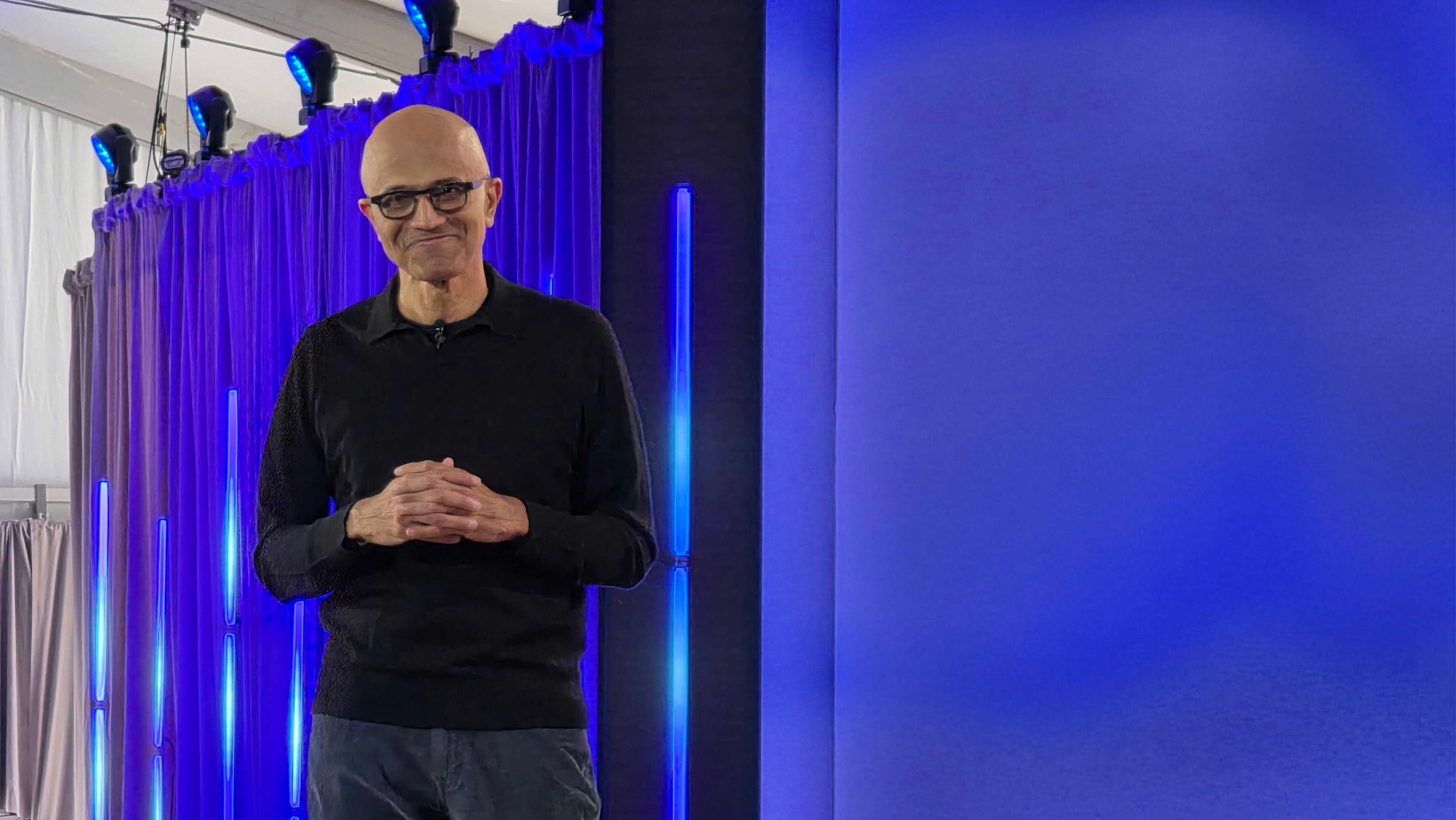
The rapid pace of artificial intelligence development is currently the defining factor of the global technology industry. However, this growth has raised urgent questions regarding the real-world benefits this technology offers humanity. Speaking at the World Economic Forum in Davos, Microsoft CEO Satya Nadella emphasized that the industry faces significant challenges in this regard.
The Trust Crisis and the Productivity Gap
Nadella noted a visible "productivity gap" between the hype surrounding AI and its actual impact on daily life. His warning is clear: if technology companies cannot prove that AI usage leads to concrete, beneficial results, they risk losing public trust and support. According to Nadella, innovation will become impossible to implement without this "social license."
Currently, the advancement of AI is linked to the transformation—and sometimes displacement—of jobs. Society is increasingly asking if these changes are truly for the better. Nadella acknowledges that answering these questions is the industry's primary responsibility.
Energy Challenges and Infrastructure
The large-scale growth of AI is directly tied to an increase in data centers. These facilities consume vast amounts of electricity, which is already triggering public protest. The situation is particularly acute near populated areas, where local residents and lawmakers are raising concerns about environmental impacts and the strain on energy grids.
Nadella’s statement underscores that the potential of AI is not limited to model training. Continuous energy supply is required, creating new challenges for the global economy. Companies must balance their technological ambitions with the physical resources necessary to maintain these systems.
What Lies Ahead?
For regions like Georgia, where the technology sector and digital infrastructure are actively developing, these issues are particularly relevant. Global trends indicate that the future focus will shift from the complexity of algorithms to their economic and social efficiency. If global leaders like Nadella are already discussing the need for a "social license," it means that AI development in the coming years will require significantly more transparency and accountability than it has in the past.