Samsung Intelligent Eyewear Release Date Confirmed
The new AI-powered wearable will launch in select markets this December
Limited Geography and Sales Strategy
The tech world is once again focused on Samsung’s latest innovation. It has been confirmed that sales of the company’s new Intelligent Eyewear will commence in mid-December. Initially, however, the device will be available only in two markets: South Korea and the United States. Europe, China, and Japan will not be included in the first wave of sales.
This decision is based on strategic calculations. Samsung intends to gauge consumer reaction in these two primary markets before expanding globally. The company employed a similar tactic with the Galaxy XR headset, which launched in those same countries last October before arriving in the UK several months later. Pricing for the new eyewear has not yet been determined.
Capabilities of Intelligent Eyewear
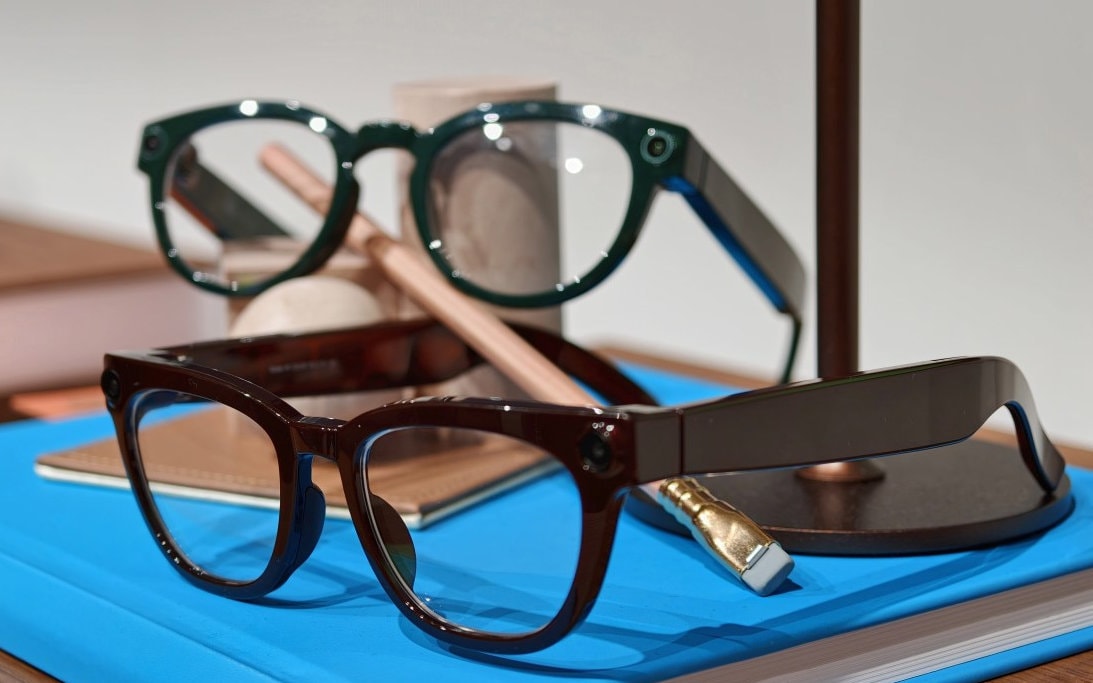
Notably, these new glasses do not feature a screen, distinguishing them from traditional augmented reality (AR) eyewear. The device runs on the Android XR operating system and integrates Google’s Gemini artificial intelligence. Its hardware includes a camera, microphones, speakers, and the Snapdragon AR1 Gen 1 chipset.
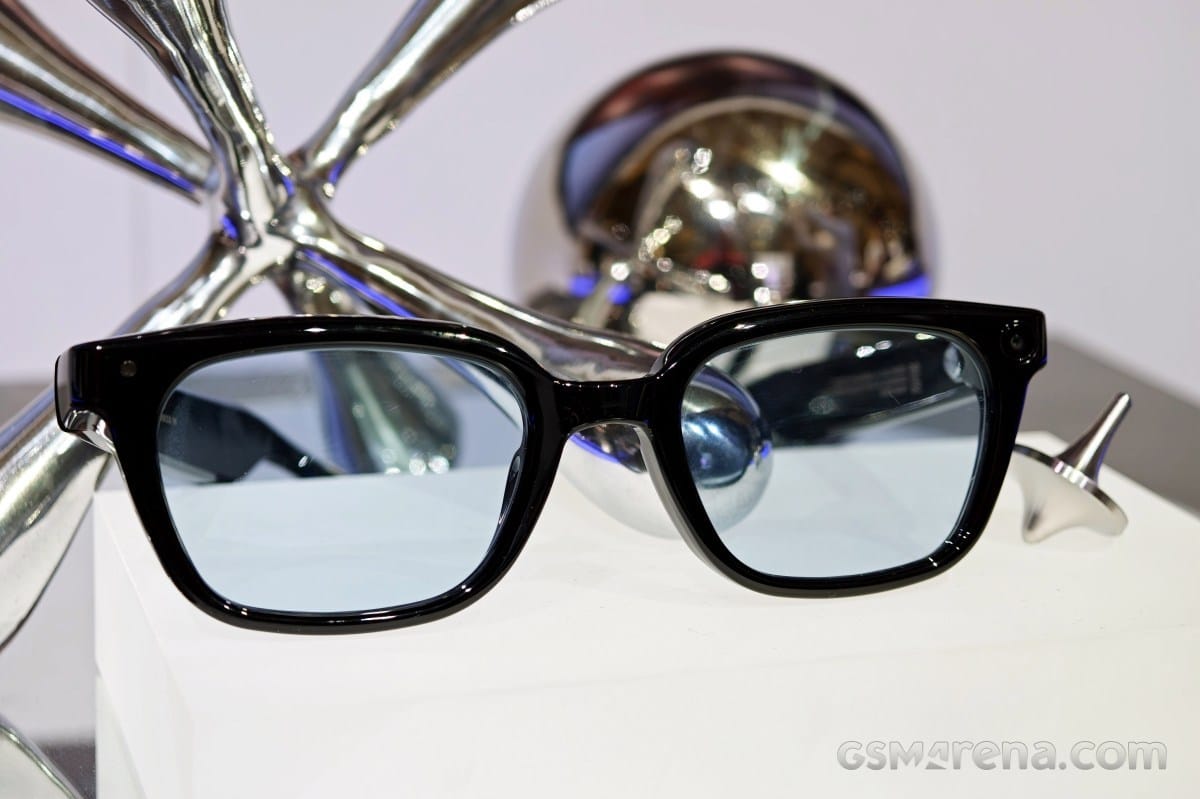
The functionality is focused on simplifying daily tasks. It provides real-time translation, voice navigation, and the ability to capture photos of documents or meetings, which are then automatically organized in the Galaxy smartphone’s Notes application. According to Samsung, the device battery provides up to 9 hours of operation on a single charge.
Design and Expectations
Samsung developed the design of the glasses in collaboration with Gentle Monster and Warby Parker. Four different style variants are currently known, which Samsung has showcased at various events, including Google I/O and Galaxy Unpacked.
This news will have limited immediate impact on the Georgian market, as the company is proceeding with a slow global expansion. Nevertheless, the device marks a significant step in the evolution of wearables, shifting the focus from screens to interacting with the environment through artificial intelligence. We will continue to monitor when such technology might reach regional markets.