Samsung Galaxy S27+ May Launch Without UWB Technology
MIIT filings suggest the feature will be reserved for Pro and Ultra models
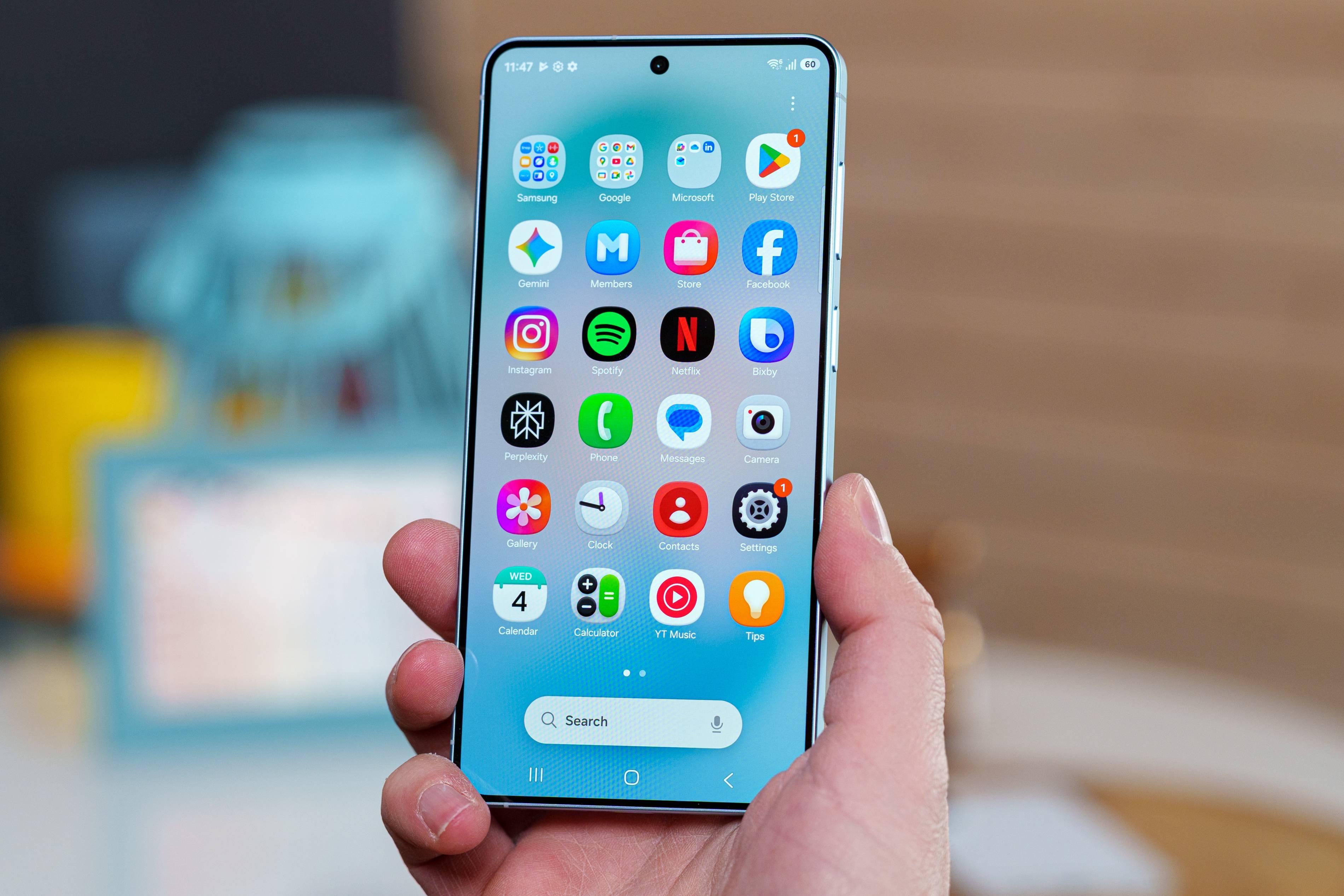
Shifts in Samsung's Strategy
The upcoming Samsung Galaxy S27 flagship series is becoming a major topic of discussion within the tech community. According to recent information appearing in the database of China’s Ministry of Industry and Information Technology (MIIT), one model in the series, the Galaxy S27+, may lack a feature users have relied upon since the Galaxy S21+. The feature in question is Ultra-Wideband (UWB) technology, which provides high-precision connectivity and localization between devices.
Current data indicates that the Galaxy S27 series will consist of four models: the standard Galaxy S27, Galaxy S27+, Galaxy S27 Pro, and Galaxy S27 Ultra. In the MIIT listing, UWB support is reserved exclusively for the Pro and Ultra versions. This suggests a strategic pivot for Samsung, where the Pro model receives more premium features, while the Plus version remains a more accessible alternative with a large screen.
What Does the Absence of UWB Mean?
Ultra-Wideband technology has become a standard for modern flagships. Its absence means the Galaxy S27+ will not be able to precisely track Samsung’s SmartTag 3 or similar accessories. Instead, the device will rely solely on the Bluetooth 6.0 positioning system, which offers significantly less accuracy from a technical standpoint.
While the standard Galaxy S27 has never featured this technology, its removal from the Plus model is unexpected. It is worth noting that the official presentation of the Galaxy S27 series is scheduled for early 2027. Consequently, there is a chance that the information in the database is incomplete or contains errors. However, if this decision is final, it will create some inconvenience for users who actively utilize the accessory ecosystem.
What Should Users Expect?
Samsung smartphones enjoy great popularity, and users are always keen to follow updates to the flagship line. The absence of UWB technology may not be a deciding factor for the average user, but it will certainly impact the smartphone's functionality when interacting with smart home devices.
It is currently unknown how this change will affect the final price of the device. If Samsung has intentionally simplified the Plus model, it may be to maintain or reduce the price, thereby increasing its competitiveness in the market. We will continue to monitor these developments and provide further details in the near future.