Samsung Galaxy Fit4: What We Know About the New Fitness Tracker
Updated Display and Design
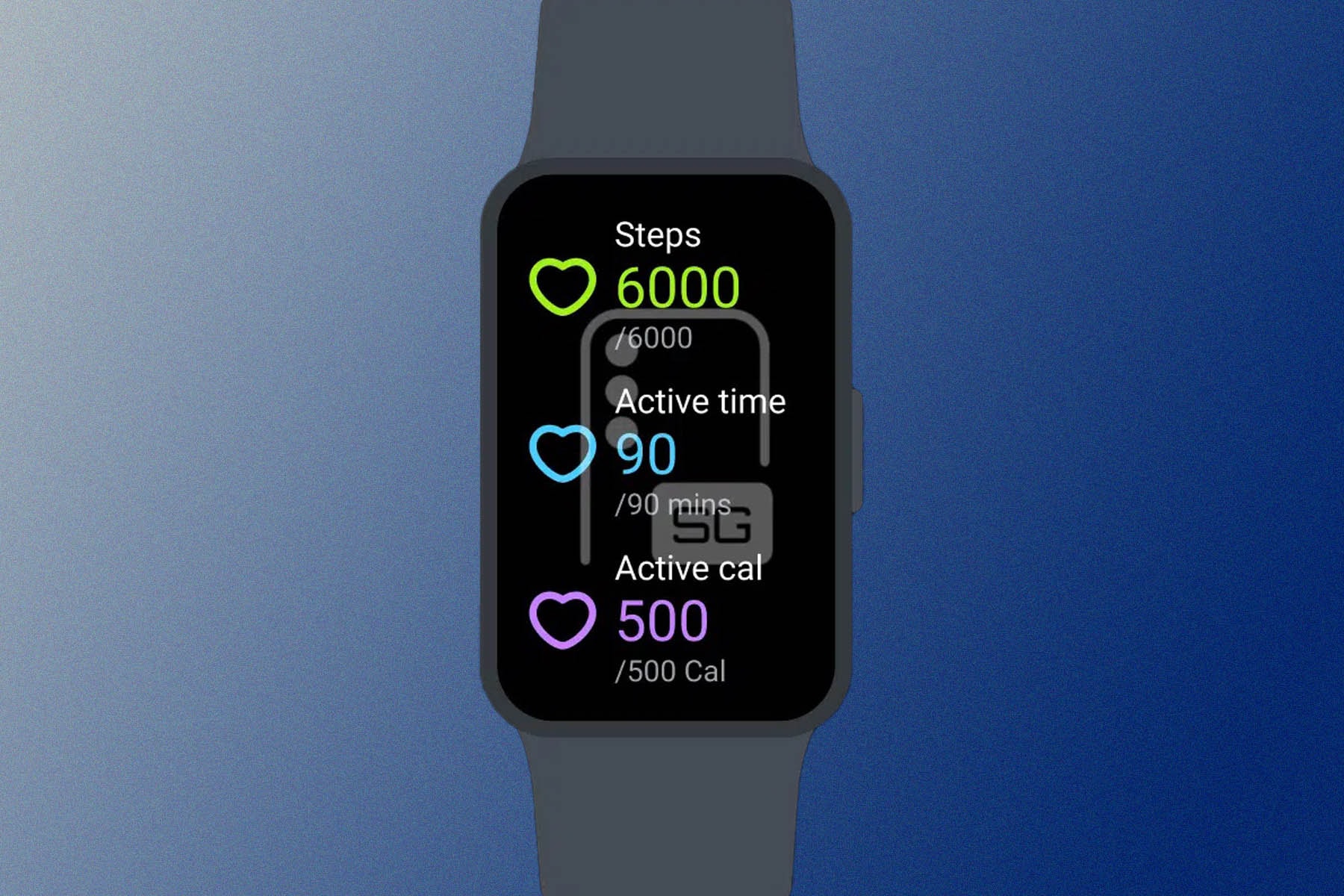
Samsung is expanding its fitness tracker lineup with the upcoming Galaxy Fit4. While the company has yet to hold an official presentation, technical details were uncovered through an analysis of the Galaxy Fit4 Manager app code. Initial data suggests the new model bears a strong visual resemblance to the 2024 Galaxy Fit3, though some notable changes are present.
One of the primary upgrades is the improved display. The Galaxy Fit4 will feature a screen with a resolution of 258 x 428 pixels, making it slightly taller than the 256 x 402-pixel panel found on its predecessor. Additionally, the interface will allow users to place up to 12 widgets simultaneously, facilitating more efficient information management.
Health Monitoring and Colour Options
The tracker will retain all the health and activity tracking features found in its predecessor. Users will be able to count steps, track calorie burn, monitor heart rate with relevant alerts, measure blood oxygen saturation, and track stress levels. According to application data, the device will not include built-in GPS, likely as a measure to optimise costs.
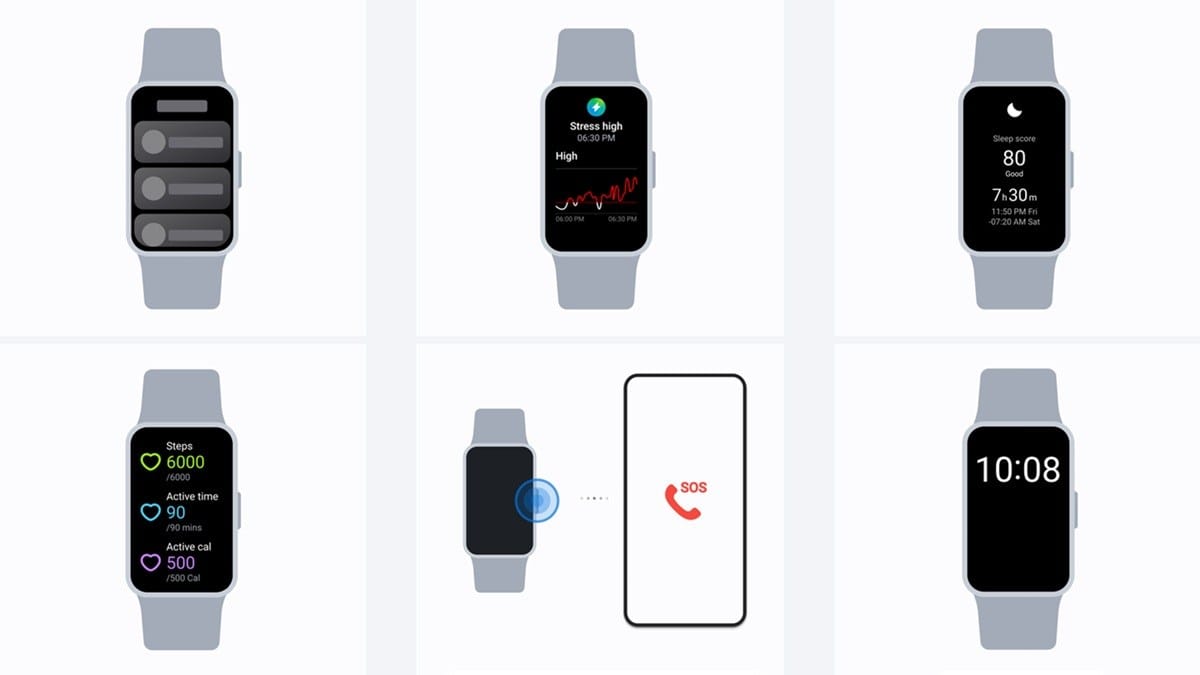
Special attention will be given to sleep quality analysis. The Galaxy Fit4 will be capable of accurately identifying sleep phases, assigning scores, and offering a "sleep coaching" function. The latter activates after the user wears the device for seven consecutive days. Visually, the device will be available in three colour variations: black, silver, and light green.
Pricing and Availability
The official release date for Samsung's new fitness tracker remains unknown. However, current projections suggest the company will aim to maintain its position in the budget segment. The expected price will be under $100 USD, making it one of the most competitive devices on the market.
For users who are active within the Samsung ecosystem, this model could serve as an accessible and functional solution for monitoring daily activity and health metrics. While the absence of GPS may be a drawback for some athletes, the improved screen and software features will be more than sufficient for daily use and sleep monitoring.