Safe Smartphones for Kids: Exploring the Current Market Options
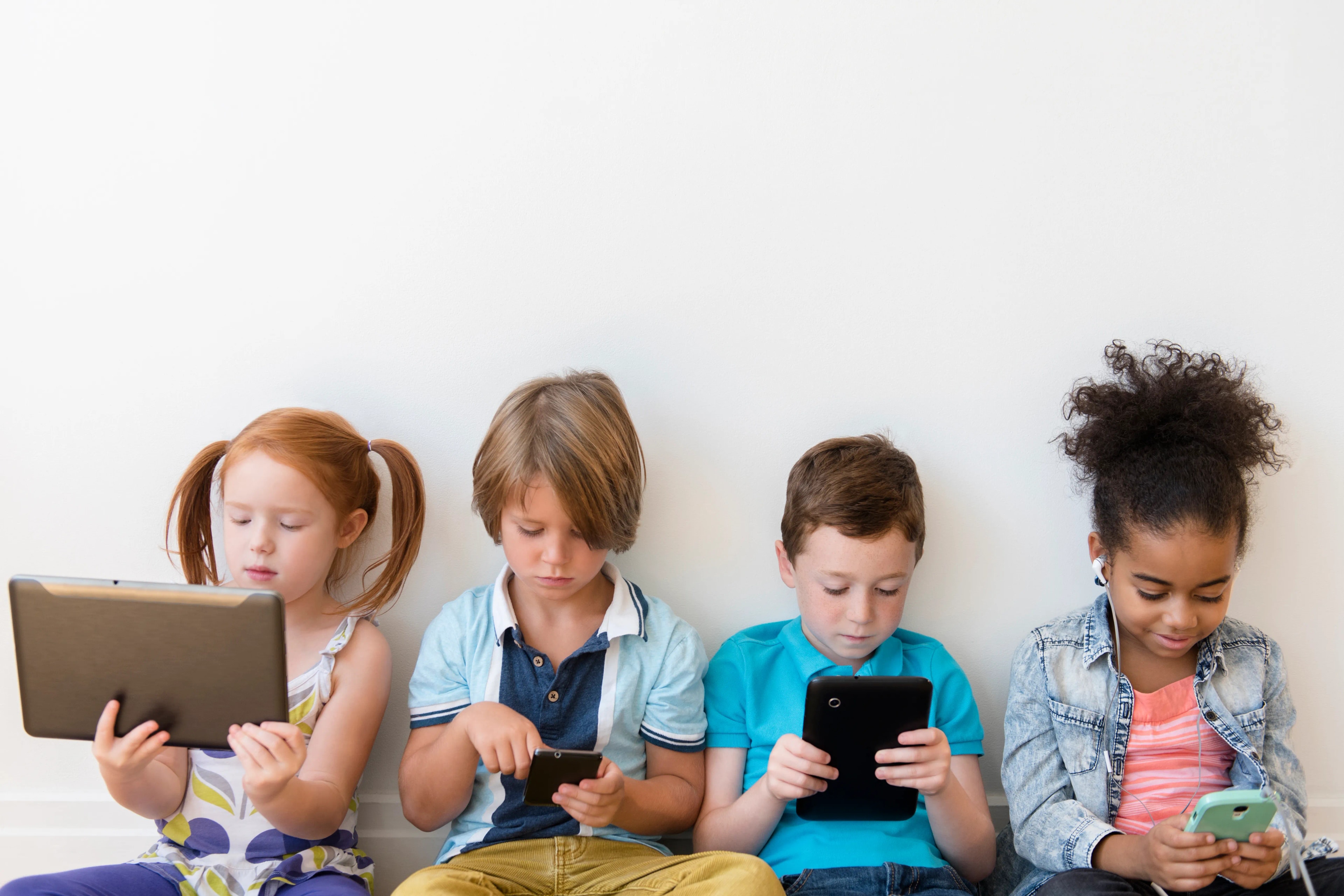
The rapid evolution of the digital world has created new challenges for parents. Faced with social media, unrestricted internet access, and potentially harmful content, many families are seeking ways to ensure their children’s safety when using smartphones. Consequently, the market has seen a surge in specialized devices that combine the capabilities of traditional smartphones with strict parental controls.
How Child-Friendly Technology Works
Today, the "kids' phone" market is divided into two categories. The first consists of full-featured smartphones with heavily restricted software—these lack app stores, social media access, and web browsers. The second category features minimalist devices designed exclusively for calls and messaging.
All such devices are managed through dedicated parental apps. Parents can approve contacts, set screen time limits, track the child's location, and in some cases, receive alerts regarding cyberbullying or attempts to access inappropriate content.
Leading Market Players
One of the most prominent brands in this segment is the Bark Phone. Built on Samsung hardware, it features a sophisticated monitoring system that automatically scans text messages, photos, and emails for suspicious activity. Parents can gradually unlock features as the child matures.

Another key player is Gabb, which focuses on eliminating risks entirely rather than just monitoring content. Their devices contain no social media or browsers, instead coming pre-installed with essential tools like a calculator and calendar. Pinwheel follows a similar philosophy, allowing parents to adjust phone modes based on the daily schedule—for instance, restricting the phone to calls and navigation only during school hours.
Alternative Solutions
Stationary home phones like Ooma MyPhone and Tin Can are also available for those who want their children to have a communication device at home without the internet. A particularly interesting newcomer is the startup Waffle, which offers "screen-free" devices, including a small walkie-talkie-style phone designed solely for voice messages and calls.
Meanwhile, TextNow recently introduced Yello!, a device that looks like a standard smartphone but lacks an app store and social platforms. This approach provides the child with the experience of using technology while maintaining parental control.
Future Expectations
Although these devices are primarily focused on the US market, the trend indicates that global demand for safe technology is rising. For parents, the primary priority remains the protection of their children, and tech companies are striving to make that protection as simple and accessible as possible. As digital literacy grows, interest in such solutions is expected to increase in Georgia as well.