Russian Military Satellite Performs Alarming Close Approach to US Craft
Experts describe the manoeuvre as an unprecedented and provocative act in orbit.
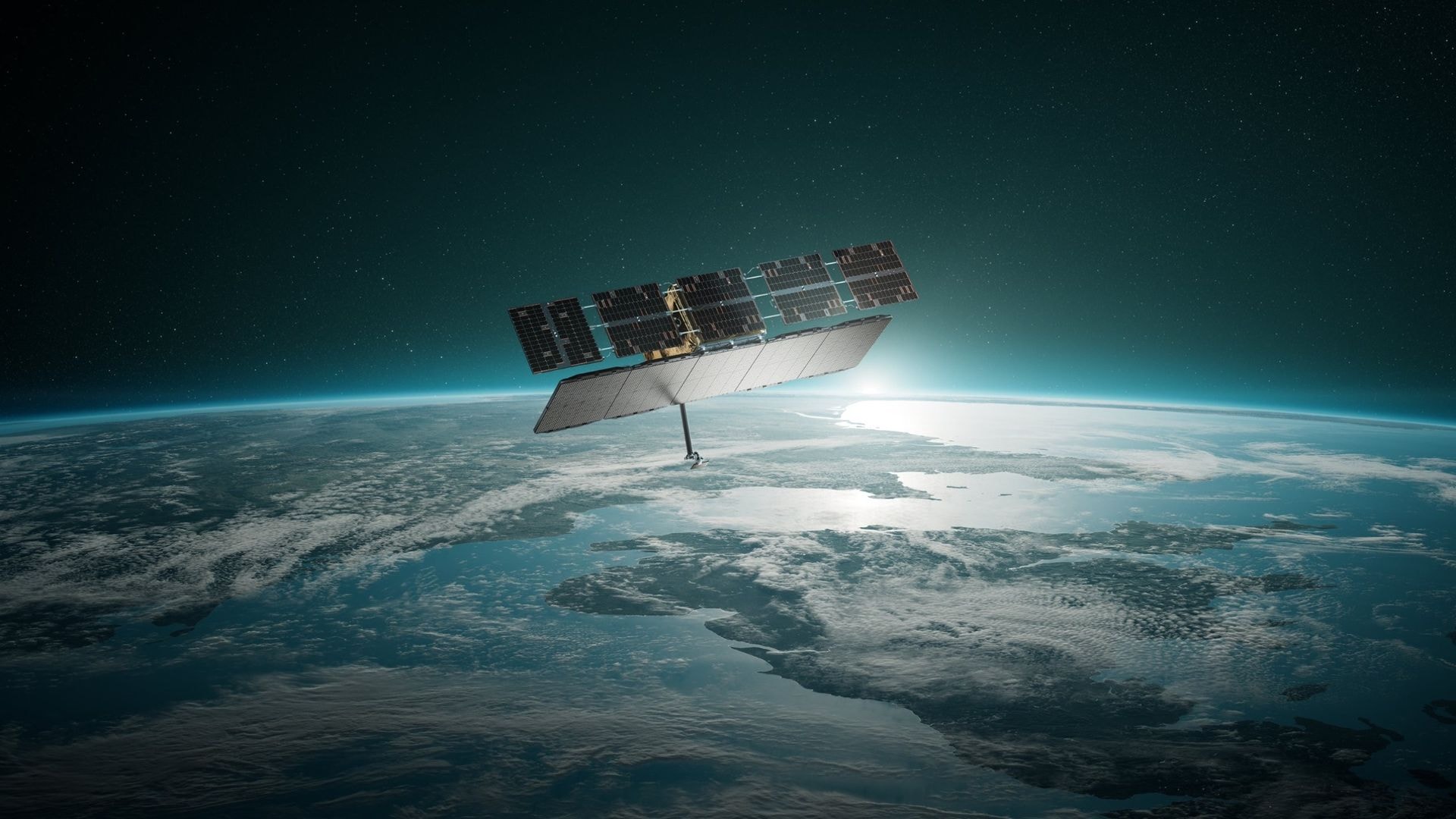
Tensions in space are escalating. The Russian military satellite Cosmos 2612, which had previously been maintaining a distance of approximately 320 kilometres from the American radar satellite ICEYE-X36, suddenly positioned itself within a radius of about 5 kilometres (3 miles). This manoeuvre, executed on 16 October, is considered unprecedented by space technology experts, as it marks the first such "encounter" between two active satellites without the consent of the other party.
Deliberate "Stalking" or Intelligence Mission
ICEYE-X36 is a Synthetic Aperture Radar (SAR) satellite capable of capturing high-resolution images of the Earth's surface, even at night or in cloudy weather. The craft is part of a fleet that provides information to Ukraine. While it has not been officially confirmed whether this specific satellite is serving Ukraine's defence needs, Russia's interest in it is clear.
Independent observers and space data analysts note that the manoeuvres of Cosmos 2612 were not accidental. Since late September, the Russian craft has made consistent adjustments to its altitude and orbital period to match the trajectory of the American satellite. Fuel, a strictly limited resource in spacecraft, was used by the Russian side specifically for this "chase."
Why This Is Dangerous
Although space law does not explicitly forbid satellites from approaching one another, international practice dictates a minimum safe distance of approximately 10 kilometres. A distance of less than 5 kilometres is considered an extremely close approach in space navigation, increasing the risk of collision and potentially aiming to gather intelligence or interfere with technical operations.
Some experts believe Russia is testing the reaction and readiness of the West through these actions. Such manoeuvres, which the German Space Command refers to as "stalking," may serve both as direct espionage and as preparation for future sabotage. The Russian side has not yet issued an official comment regarding this incident.
What Happens Next?
The situation in space is becoming increasingly unpredictable. Analysts are warning relevant agencies to monitor the Russian satellites Cosmos 2611 and 2613, which are reportedly moving along similar trajectories toward other American craft. Further attempts at "close approaches" are expected by mid-November.
American and European policymakers face a new challenge: how to respond to space provocations without escalating the conflict. For countries like Georgia, which supports adherence to international space security norms, such incidents serve as a reminder that modern wars and confrontations have long since moved beyond Earth's atmosphere and into orbit.