Russian Drones Utilize Chinese Technology for Long-Range Control
Analysis of downed Gerbera drones reveals how mesh networking is being used to bypass communication limitations.
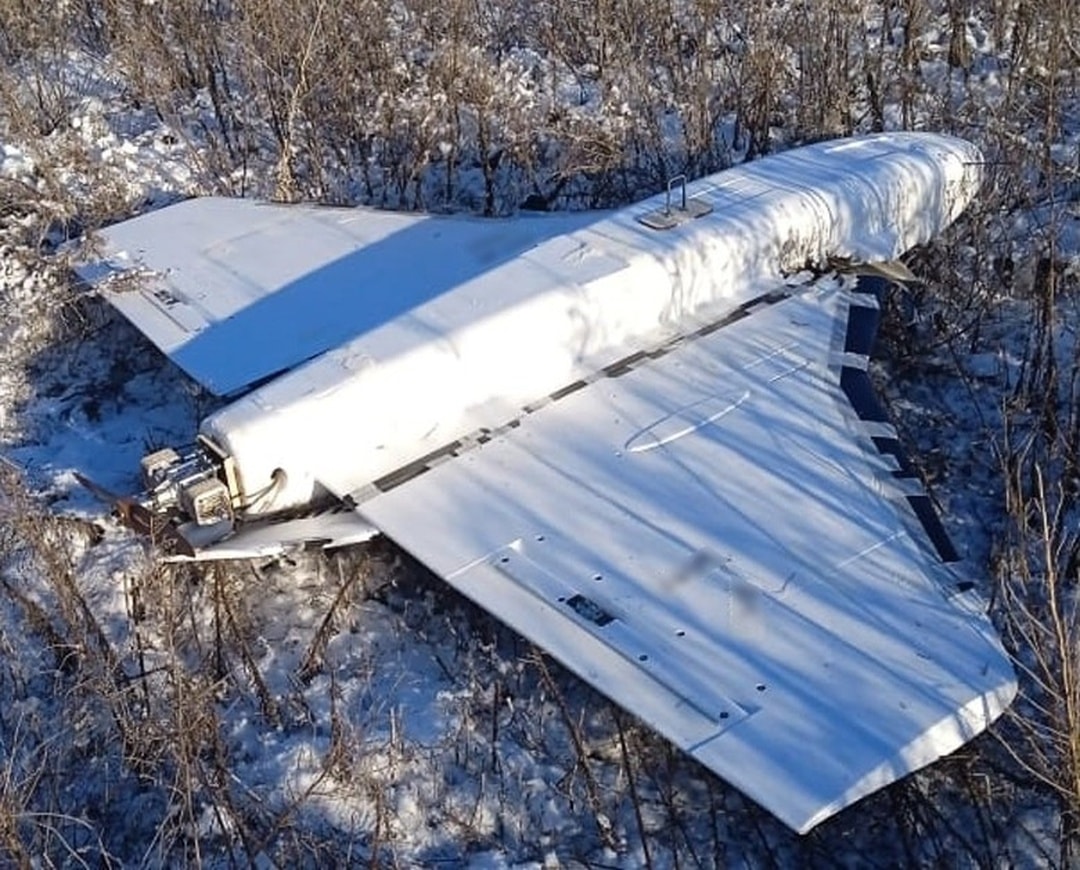
An examination of Russian Gerbera-type drones downed in Ukraine has uncovered new details regarding the composition of Russia's military equipment. The drones are equipped with network modems manufactured by the Chinese company Shenzhen Xingkai Technology. These devices support mesh networking, a topology where nodes connect directly to one another, allowing the Russian military to operate these drones more effectively over greater distances.
The Technological Link to China
Investigations have confirmed that Shenzhen Xingkai Technology is the sole manufacturer and supplier of this equipment. The modems are shipped directly to Russian military contractors in Alabuga, where they are integrated into the assembly of Gerbera drones. While the extent of the Chinese company's knowledge regarding the final destination of these components remains unclear, the scale of the technology's deployment is confirmed. Notably, the modems also contain FPGA chips manufactured by AMD. In an official statement, AMD asserted that it does not collaborate with Xingkai Technology and strictly adheres to U.S. export controls and sanctions, which prohibit their products from reaching Russia.
Why This Matters
Russia began actively employing mesh technology after its access to Starlink services was restricted in February 2026. This method of connectivity allows drones to maintain constant communication with each other, forming a unified network. This increases the control radius of the drones and enhances their stability, even when facing electronic warfare countermeasures.
Military experts and intelligence services are concerned that the use of these drones may extend beyond the conflict in Ukraine. According to assessments by the CIA and European officials, Russia could deploy similar drones toward Europe, including against Mediterranean nations. There are concerns regarding launchers mounted on 'shadow fleet' vessels, which could facilitate the covert transport and deployment of these drones.
The Threat Posed by the Technology
Integrating mesh networks into drones allows Russia to manage its fleet with greater flexibility and scale. The technological advantage gained through this method poses a threat to regional security. Although this technology was originally intended for civilian use, its adaptation for military purposes demonstrates how quickly aggressors can exploit global supply chains for their own objectives. For countries like Georgia, situated in a complex geopolitical environment, the evolution of drone technology and these methods of deployment serve as a critical signal, as drone advancements have become a defining factor in modern warfare.