Russia Turns to Sberbank AI for Aircraft Design
The United Aircraft Corporation is testing GigaChat to assist in the design of military and civil aircraft.
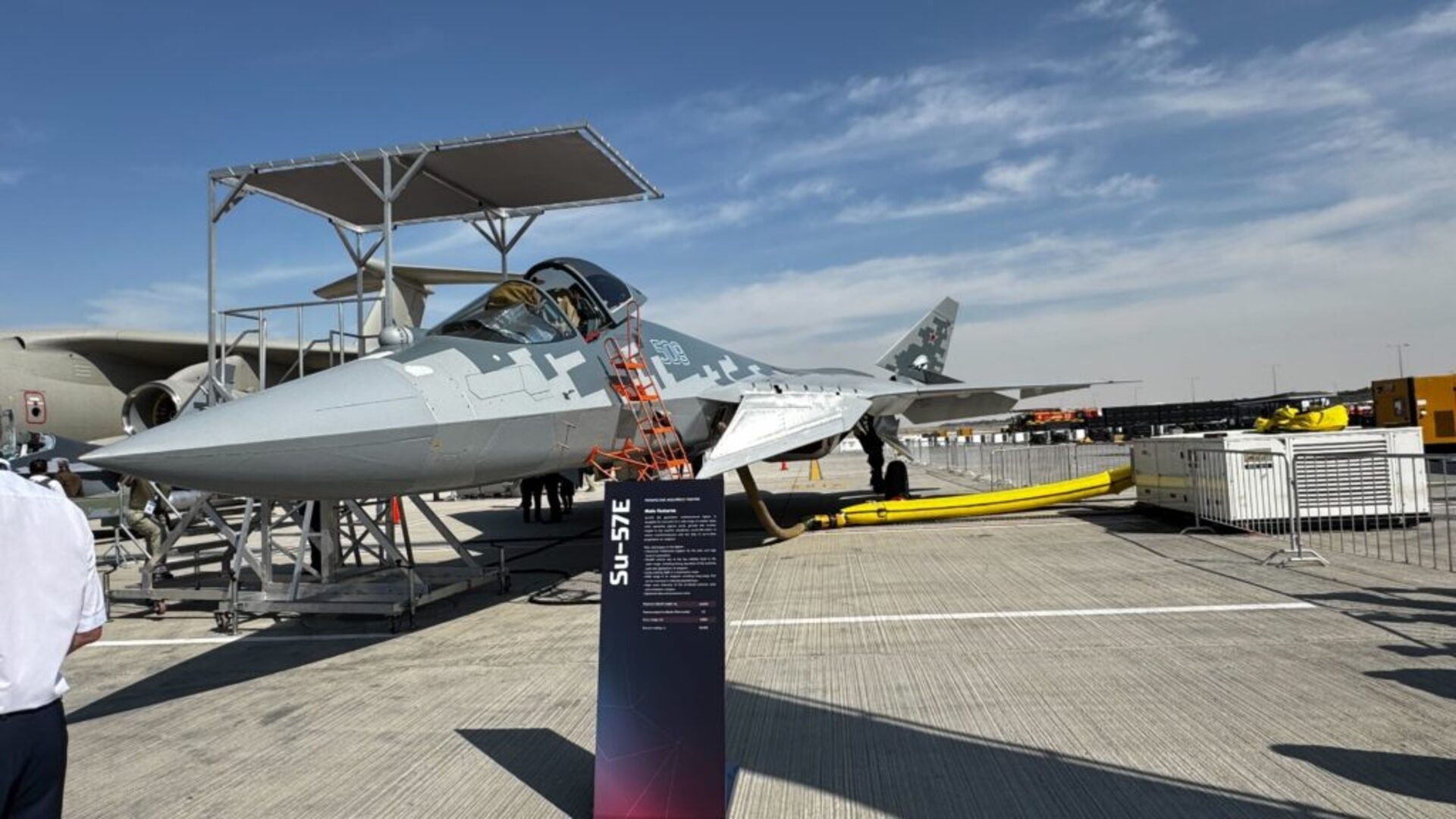
A New Approach to Aircraft Manufacturing
The United Aircraft Corporation (UAC), the manufacturer behind models such as the Su-57 and Su-35, is beginning to integrate artificial intelligence into its engineering workflows. The company is experimenting with GigaChat, a large language model (LLM) developed by Sberbank. The primary goal is to accelerate engineering analysis and the preliminary design of aircraft configurations.
While the technology remains in the testing phase, experts suggest that it could eventually assist engineers with aerodynamic calculations and structural integrity assessments. According to UAC chief designer Sergey Korotkov, digital technologies allow for the processing of a broader range of data, facilitating a deeper understanding of technical challenges. However, the corporation emphasizes that artificial intelligence serves only as a supporting tool and will not replace traditional engineering methods.
Western Sanctions and the Software Crisis
The Russian aviation industry's search for domestic software solutions is a forced move. Since 2022, the departure of industry giants such as Dassault Systèmes, Siemens, and Autodesk has created a significant void. For decades, Russian engineers relied on these companies' platforms for aircraft design and technical maintenance.
UAC has currently implemented local software alternatives on approximately 4,000 engineering workstations. The corporation claims that these digital methods have significantly accelerated processes such as hydraulic system design and cabin temperature calculations, though independent verification of these results is not yet possible.
Challenges in Civil Aviation
Despite these technological efforts, Russian civil aviation programs are facing difficulties. For example, the production of the MC-21 passenger aircraft is behind schedule. Russian President Vladimir Putin has publicly acknowledged that the project is delayed by nearly two years, partly due to issues related to wing construction. The government is currently aiming to certify a model composed entirely of domestically produced components by the end of 2027.
It remains unclear what specific role GigaChat plays in overcoming these challenges or if it is being used directly in the development of next-generation military aircraft. Nevertheless, it is evident that Russia is attempting to maintain the technological independence of its aviation sector through the use of artificial intelligence to ensure production continuity under Western sanctions.