Russia Deploys New 3D-Printed Cruise Missiles in Ukraine
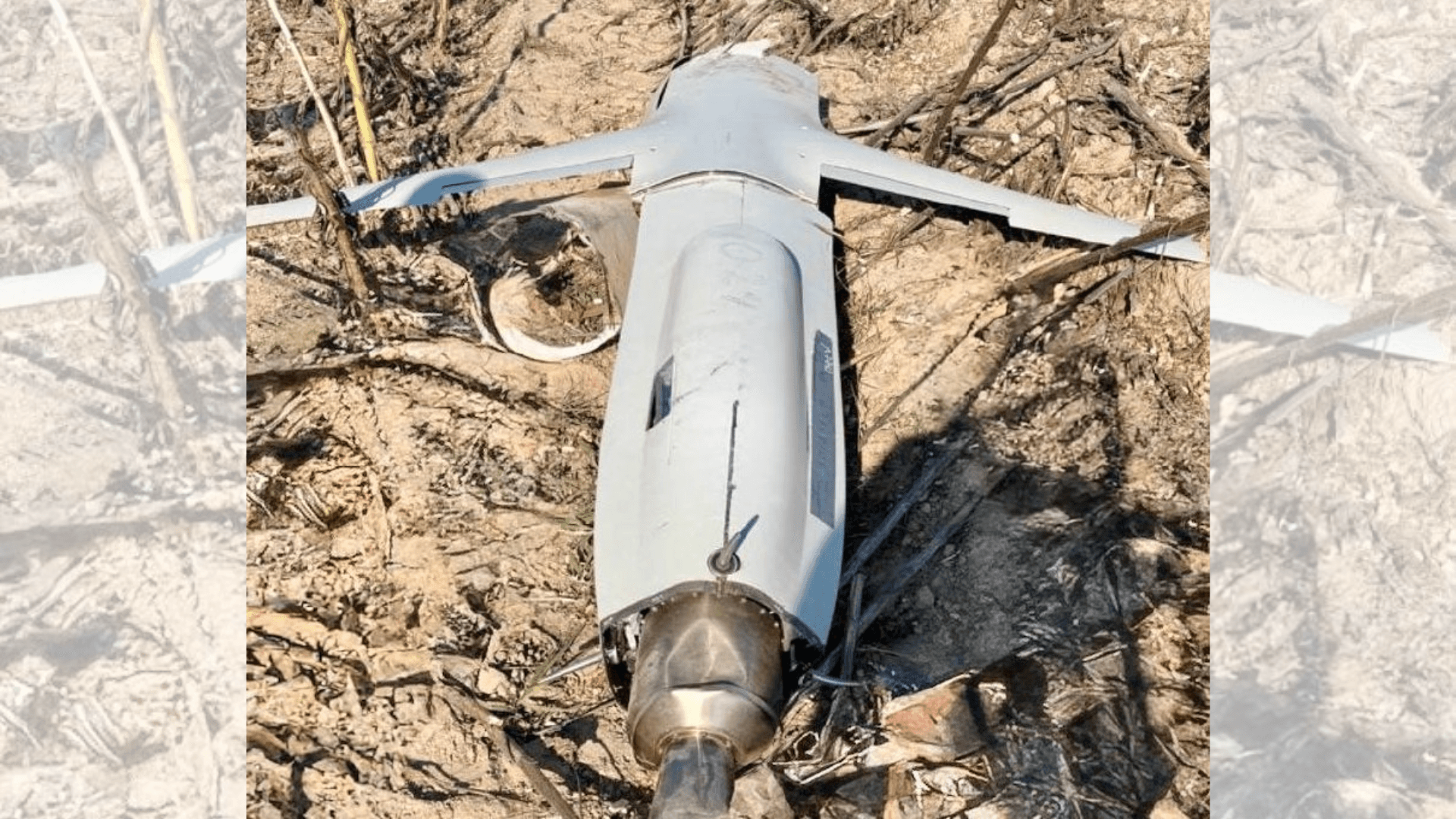
The Main Directorate of Intelligence of the Ministry of Defence of Ukraine (GUR) has released information regarding a new type of Russian weaponry. The report concerns 'Filin' cruise missiles, which were observed on the battlefield between September and October. This new weapon differs significantly from traditional Russian missiles in both its manufacturing method and its cost.
Technological Features and 3D Printing
The construction of the 'Filin' consists of carbon and fibreglass materials, with several components produced using 3D printing. This technology allows for the efficient manufacturing of complex geometric shapes, such as jet engine turbine blades, at a lower cost. While this method is not always inexpensive, it provides significant savings in the production of specific parts.
The missile reaches speeds of approximately 800 km/h and has a range of up to 1,200 kilometres. These specifications make it far more dangerous than the 'Geran-5' type drones previously used by Russia, which only reached speeds of 430 km/h and frequently broke apart during flight. The speed of the new missile presents an additional challenge for Ukrainian air defence systems.
Western Electronics and Production Costs
The reduction in production costs for these missiles is largely due to the use of commercially available parts. According to intelligence data, the missile’s flight controllers, inertial navigation systems, and anti-jamming hardware are of Western origin. Specifically, a large portion of these components is sourced from the United States, Japan, Switzerland, Taiwan, and the Netherlands.
The cost of a single launch of a traditional 'Kh-101' cruise missile exceeds $2 million. The low production cost of the 'Filin' allows Russia to employ a 'missile spam' tactic. The goal of this strategy is to overwhelm Ukraine's air defence systems with a massive influx of cheap, fast missiles.
Why This Is Dangerous
The ongoing conflict, which was initially planned as a short-term operation, has lasted for years and has become a heavy economic and technical burden for both sides. The search for cheap but effective weapons is an ongoing process. If 'Filin' production reaches a large scale, conducting defensive operations will become even more difficult for Ukraine.
Although these missiles cannot match the speed of modern fighter jets, their technical specifications are sufficient to pose a threat to both military and critical infrastructure. In the near future, the main question is how effectively Ukraine can adapt its air defences to this new, mass-produced threat.