Russia Demands Private Data Centre Resources for State Use
Vladimir Putin’s new decree mandates that private companies must surrender a portion of their server capacity to the state.
State Control Over Digital Infrastructure
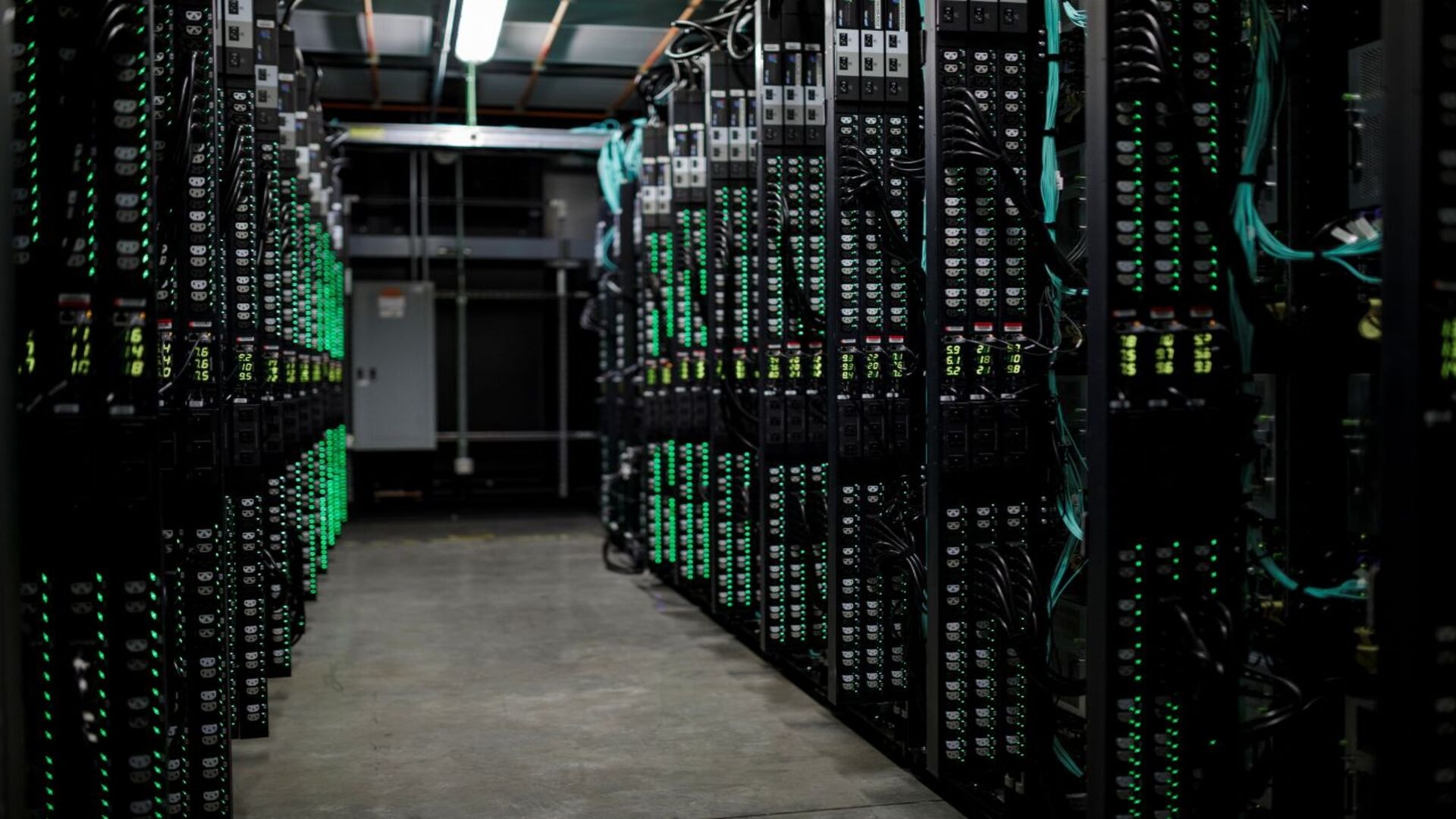
Private data centres operating within the Russian Federation are facing stringent new regulations. Under a decree signed by President Vladimir Putin, private operators across the country must reserve 10% of their computing power for state information systems. The official document, published in early November, grants companies just 10 days to comply with these requirements.
While private operators retain ownership and continue their standard operations, the government has granted itself the right to requisition these reserved resources at any time. A special government commission will determine when state mobilization of these capacities is necessary, and data centres will be required to provide access within 24 hours of a request. The government states it will pay for these services, though state agencies will set the maximum payment thresholds themselves.
Militarisation of the Technology Sector
The Ministry of Digital Development has been tasked with auditing data centres nationwide and assessing their capacities. This decision follows persistent pressure on Russia’s digital infrastructure. Amid the ongoing conflict, attacks by Ukrainian forces have already damaged several major Yandex data centres, causing significant disruptions to cloud services and databases.
The new directive aims to ensure the continuity of state services, even if private sector infrastructure faces further threats. The document also outlines exceptions: Russian information systems may temporarily use server resources located abroad, though such operations remain subject to strict oversight by the Federal Security Service (FSB).
International Perspectives and Uncertainty
Interestingly, while mobilizing domestic resources, Russia continues to seek international partnership opportunities. Kremlin representatives are actively discussing potential cooperation with the U.S. regarding the use of Russian atomic energy to power data centres. Despite these diplomatic efforts, the state's direct requisition of private sector resources remains a significant challenge for the domestic business environment.
For international users and companies collaborating with Russian digital platforms or services, this shift serves as a critical warning. State interference in private data infrastructure increases data security risks and undermines the predictability of service stability, making the use of these platforms increasingly hazardous.