Rocket Lab Launches Latest Mission: Japanese Satellite Heads to Orbit
The 'The Sea God Surveys' Space Operation
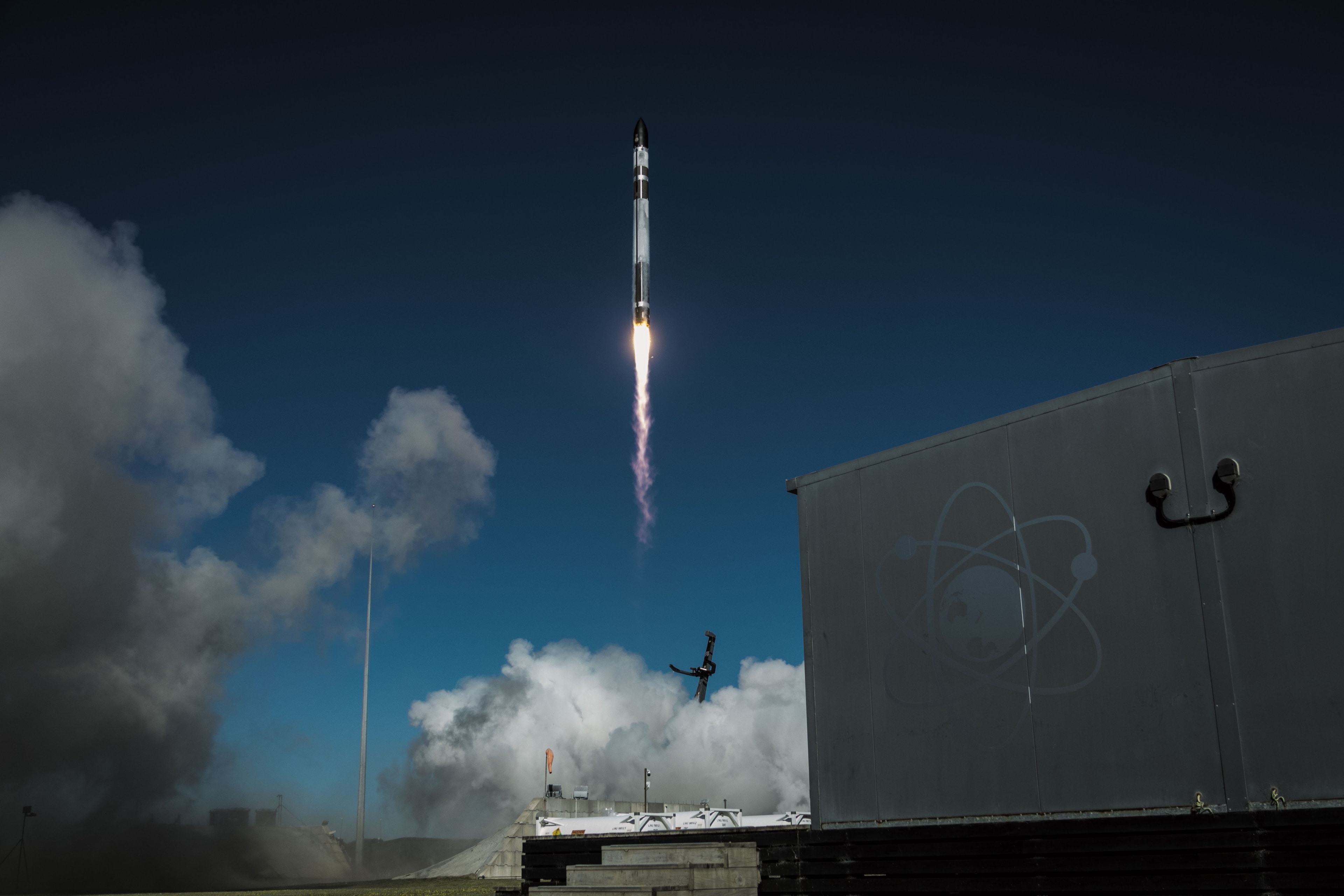
Space company Rocket Lab has announced its latest mission, titled 'The Sea God Surveys.' The launch will take place from the company’s launch complex in New Zealand. This marks the 99th mission in Rocket Lab's history, further highlighting the company's growing role in the small satellite launch market.
This mission will carry a synthetic aperture radar (SAR) Earth-observation satellite owned by the Japanese company iQPS. This is the tenth time Rocket Lab has collaborated with iQPS. The Japanese startup is currently working to build a constellation of 36 satellites to be placed in Low Earth Orbit (LEO).
The Advantages of SAR Technology
The Japanese satellites are equipped with synthetic aperture radar (SAR) technology. Unlike conventional optical satellites, SAR systems have the ability to 'see' the Earth's surface regardless of cloud cover. This allows them to operate effectively during both day and night, which is critically important for monitoring.
The Reliability of Electron
This mission utilizes Rocket Lab's signature two-stage Electron rocket, which stands 18 metres tall. This is the 90th launch of this rocket type. During 2026, Electron has already successfully completed its assigned tasks 16 times, making it one of the most reliable launch vehicles for small satellites.
In addition to the standard Electron, Rocket Lab actively uses its suborbital version, HASTE (Hypersonic Accelerator Suborbital Test Electron). Introduced in 2023, the latter is primarily used to test hypersonic technologies and often carries classified payloads. However, today’s mission is focused entirely on a commercial satellite.
Rocket Lab's achievements in the space industry are significant not only for global communications and environmental monitoring but also serve as proof of how accessible space is becoming for private companies. For readers interested in technological progress, such news is significant, as remote sensing data is increasingly being used in agriculture, climate change research, and disaster management.