Rivian to Integrate AI Agents into Future Vehicle Lineup
The company aims to transform its vehicles into intelligent personal assistants.
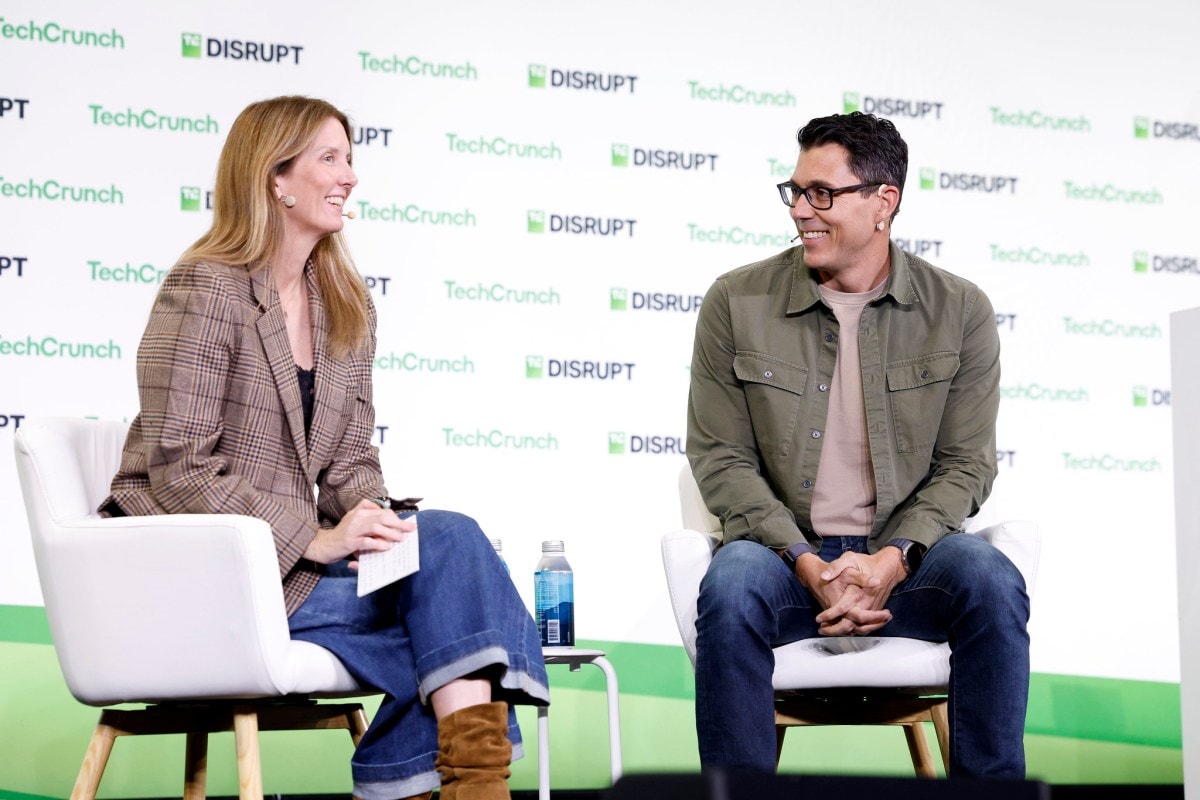
A New Era for Driving
Electric vehicle manufacturer Rivian is preparing to introduce revolutionary changes to its vehicle operating systems. Company founder and CEO RJ Scaringe announced that future Rivian vehicles will support third-party artificial intelligence agents. This integration will allow drivers and passengers to utilize sophisticated AI models, including Anthropic’s Claude, OpenAI’s systems, or Meta’s Muse.
How the System Operates
Rivian has developed an internal "agentic framework" designed to streamline communication with vehicle software. When a user interacts with the car, the system determines the best model to fulfill the request. For simple tasks, such as adjusting climate control or activating seat heaters, the vehicle utilizes onboard, local resources. For more complex queries, the system connects to cloud-based services.
According to Scaringe, this technology will transform the vehicle into a personal assistant capable of processing contextual information. For instance, a driver could ask the car to adjust comfort settings, resume a discussion started the previous day, or assist with planning a dinner menu, as the system will have access to information across the user's other devices.
Safety and Challenges
Despite the appeal of these innovations, the company is prioritizing safety. Scaringe emphasized that AI agents will not have access to critical vehicle systems, such as braking or steering. "You do not want an agent deciding when the car should brake," he stated.
The primary challenge remains the software "plumbing"—the complex technical processes required to ensure compatibility between various third-party AI models and Rivian’s architecture. The company is withholding further details until its "AI & Autonomy Day" scheduled for December, where it plans to reveal more about its integration strategy.
What This Means for Global Trends
While Rivian vehicles are not yet widely available in the Georgian market, this development is significant for global automotive trends. It confirms that the automobile is no longer merely a means of transport but is becoming a "smart" device that merges with the user's digital ecosystem. If such technologies are adopted on a mass scale, the driving experience will change radically in the coming years, impacting all automotive brands used by drivers worldwide.