Rising RAM Prices Trigger Shifts in the PC Market
High-capacity memory is losing popularity as users opt for budget-friendly alternatives.
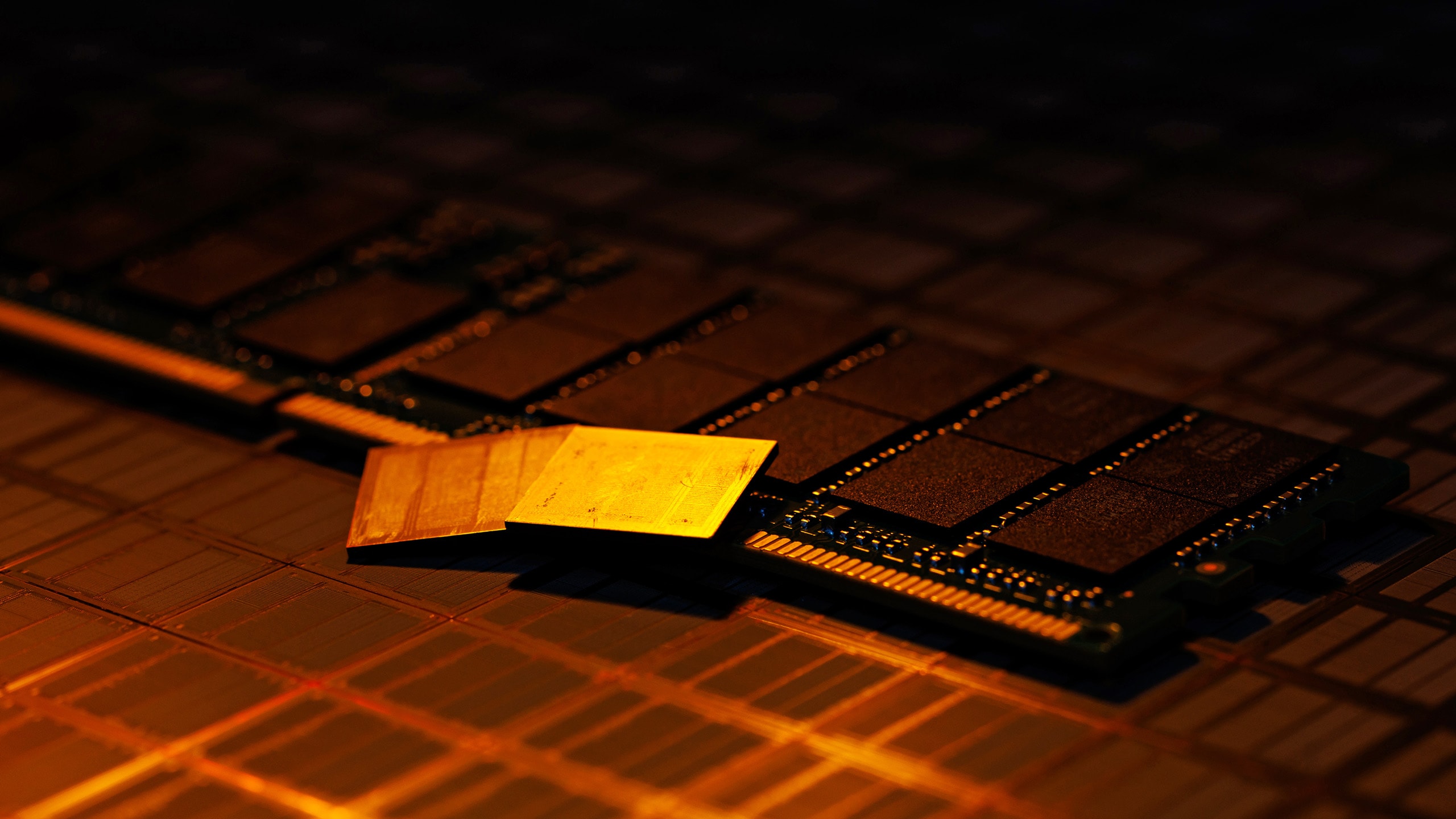
The ongoing boom in artificial intelligence is driving significant shifts across the global technology landscape. According to the latest data from CPU-Z, users are increasingly moving away from high-capacity RAM when building new computers. This marks the first time that statistics have recorded a decline in the share of high-performance systems.
Memory Shortages and Rising Costs
CPU-Z, a leading tool for system analysis, reports that the share of systems equipped with 64GB of RAM has fallen by 18% year-on-year, while 32GB configurations have dropped by 2.5%. The primary driver is a global DRAM shortage caused by the resource-intensive demands of AI servers. Consequently, prices for both DDR4 and DDR5 memory have surged, forcing consumers to opt for more economical choices.
Although 32GB remains the market leader with a 37.2% share, users are actively shifting toward more affordable options. For instance, 16GB configurations have seen a 12.9% increase, and 8GB systems have grown in popularity by 5.5%. An interesting trend is the 19.7% rise in 24GB memory modules, which has become a "golden mean" for those who require more than 16GB but find 32GB kits financially unjustifiable.
The DDR4 Renaissance and Budget Choices
Despite the industry's gradual transition toward DDR5, DDR4 memory remains dominant with a 54.5% market share. In fact, the share of DDR5 has decreased by 2.9%, while DDR4 has seen a 6% increase. This indicates that users are prioritising budget savings by sticking with older, proven platforms, such as AMD’s Ryzen 5000 series or Intel’s 13th Gen processors.
A similar trend is visible in the processor market. CPU-Z data shows a significant increase in demand for chips based on the Zen 3 architecture, specifically the Ryzen 5 and 7 series. Manufacturers are adapting to this reality by continuing to produce motherboards that support DDR4, making it easier for users to upgrade their systems without excessive expenditure.
What This Means for Users
In markets where hardware prices are directly tied to global supply chains, this trend means that building high-end PCs will become significantly more expensive in the near term. If you are planning to upgrade your gaming or workstation PC, systems based on DDR4—which currently remain more affordable—may be the most rational choice. However, it is worth noting that memory price hikes are expected to persist until the supply of DRAM stabilizes.