Richard Garriott: The Video Game Industry Is in a Creative Dead End
The End of Technological Leaps
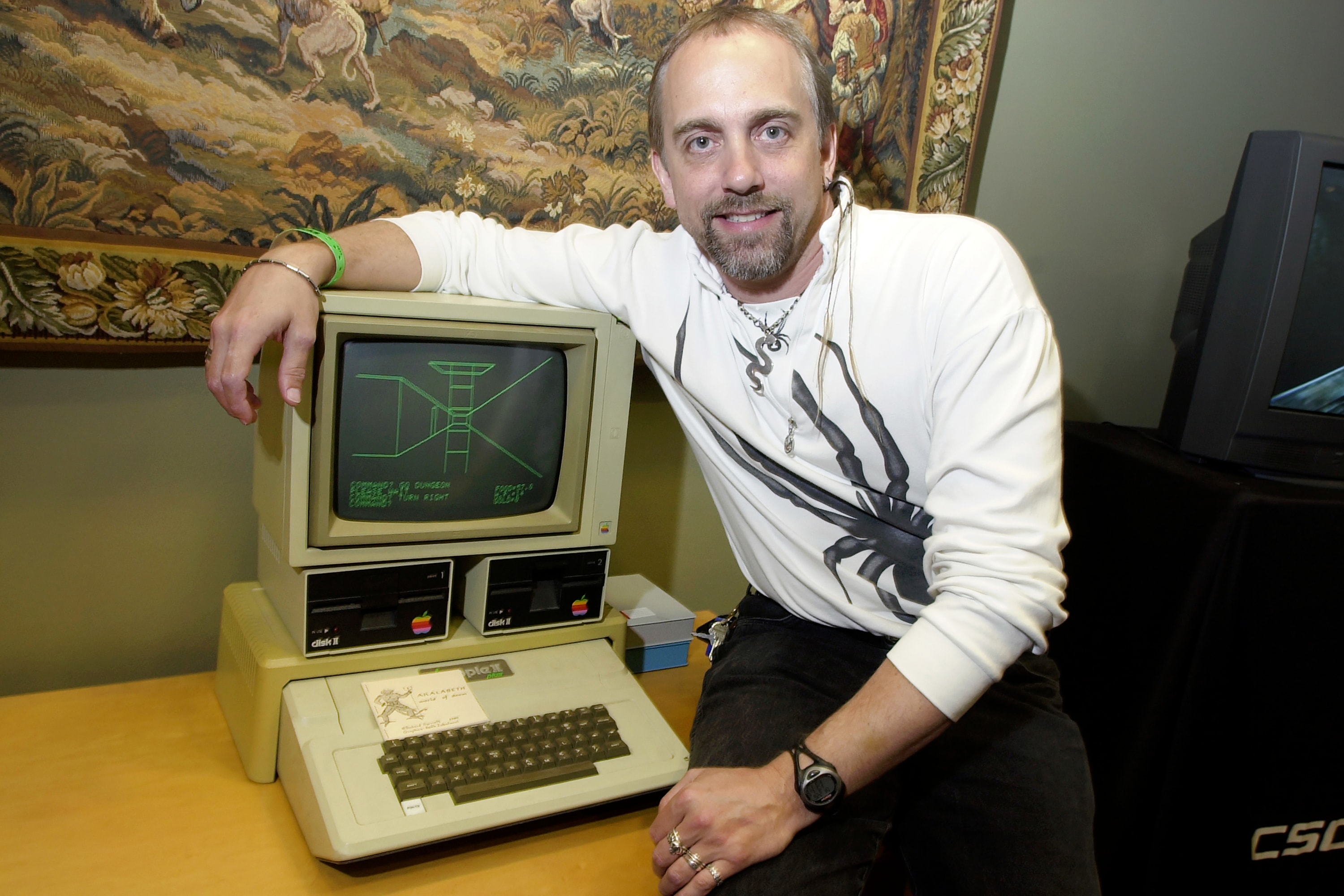
Legendary game designer and author of the Ultima series, Richard Garriott, believes the video game industry is currently facing an unprecedented crisis. Speaking at a panel discussion hosted by the Georgia Game Developers Association, Garriott noted that the problem is not tied to one specific factor, but rather a combination of negative events—ranging from incompetent industry management to broader political and economic pressures.
Garriott explained that for decades, the industry evolved in cycles. Every new technological milestone—from the introduction of CD-ROMs and 3D graphics to the mass adoption of the internet—forced developers to create projects that showcased these new capabilities. However, technology has now reached a point where visual effects and spectacle are no longer the primary draw for players. Consequently, the industry has hit a creative dead end, where companies struggle to find a path forward without the next major technological leap.
The Destructive Policy of Project Cancellations
Garriott was particularly critical of the mass project cancellations and layoffs driven by publishers. Recalling his own studio, Origin Systems, which was acquired by Electronic Arts (EA) in 1992, he noted that before EA’s arrival, they never cancelled projects in development. Their philosophy was simple: a team must see a project through to completion to gain experience and understand what works and what does not.

"If you cancel a project, team members lose motivation and trust in the publisher because they believe in the success of their own ideas," Garriott said. As a result, talented professionals either leave the company or are laid off, which ultimately harms the industry. He emphasized that after the acquisition by EA, the number of cancelled projects eventually exceeded those that were completed—a strategy he considers disastrous.
What This Means for the Industry
According to Garriott, the industry has lost many of the original creators who shaped the landscape of gaming for years. The current climate, where large companies focus solely on profit rather than product quality, is pushing the industry toward stagnation. For developers and gamers, this assessment highlights a crucial global trend: authentic ideas and a culture of teamwork are becoming more relevant than technological perfection, echoing the values that drove the industry's success years ago.