Renoa: A New Frontier in Textiles and a Sustainable Cashmere Alternative

Innovation in the textile sector
For the first time in 25 years, the U.S. Federal Trade Commission has registered a new type of fiber. Known as renoa and developed by the startup Everbloom, this material could potentially end cashmere's dominance in the fashion industry. The new technology is not only more affordable and durable but also significantly safer for the environment than traditional cashmere production.
Despite its popularity, cashmere is a problematic material. It is expensive, requires special care, and its production is linked to the ecological degradation of Central Asian pastures. Everbloom has decided to address these challenges with a scientific approach.
How is renoa made?
Everbloom’s team utilized artificial intelligence models in materials science to create a fiber identical to cashmere. Renoa is made from waste proteins, including cashmere and wool scraps, as well as feathers and down accumulated from the bedding industry. These waste materials are powdered, mixed with biodegradable polymers, and then stretched using a special technology to a length that mimics the structure of natural fibers.
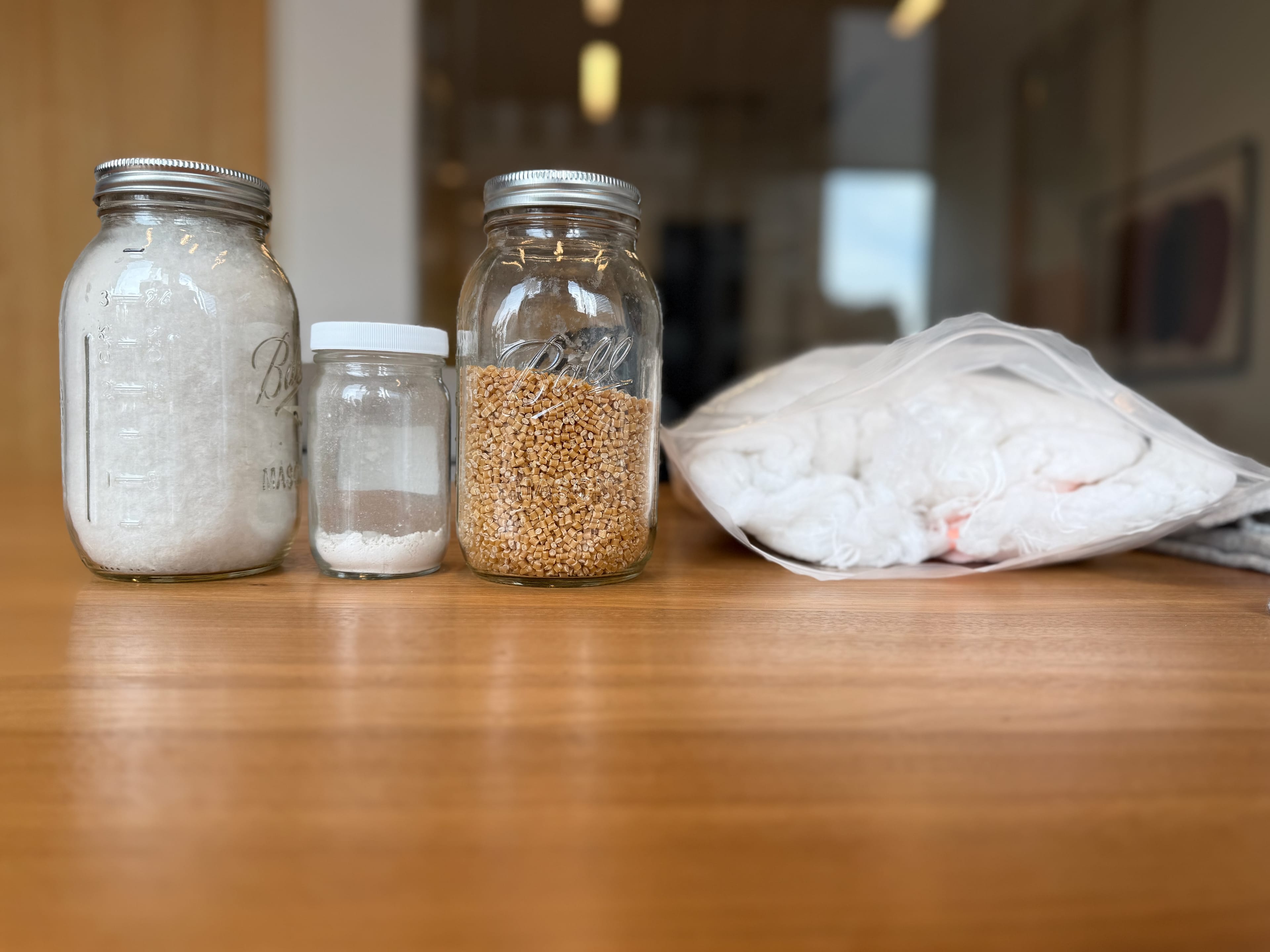
At the company’s New York headquarters, CEO Sim Gulati presented items made from renoa: sweaters, gloves, and scarves. The durability of the scarf was particularly impressive; it was washed and dried in an automatic dryer multiple times, yet it neither lost its shape nor its quality—a result that is almost impossible for cashmere.
When will it hit the market?
Everbloom is currently working actively with clothing manufacturers to bring renoa into mass production. Initially, it will likely be introduced as a blended material, where renoa replaces 20% of the cashmere content. This approach ensures the softness characteristic of cashmere while simultaneously increasing the item's durability and simplifying its care.
The first commercial products containing renoa are expected to reach the market in the second quarter of 2027. If the technology proves successful, it could significantly transform the premium clothing market, making luxury items more accessible and environmentally sustainable. For consumers who frequently seek high-quality and durable clothing, this innovation may soon be reflected in the collections of global brands.