RAMDeck: Uniting Old Device Memory for AI Workloads
Amidst rising RAM costs, TradeMAV introduces a $109 hub for AI model distribution.
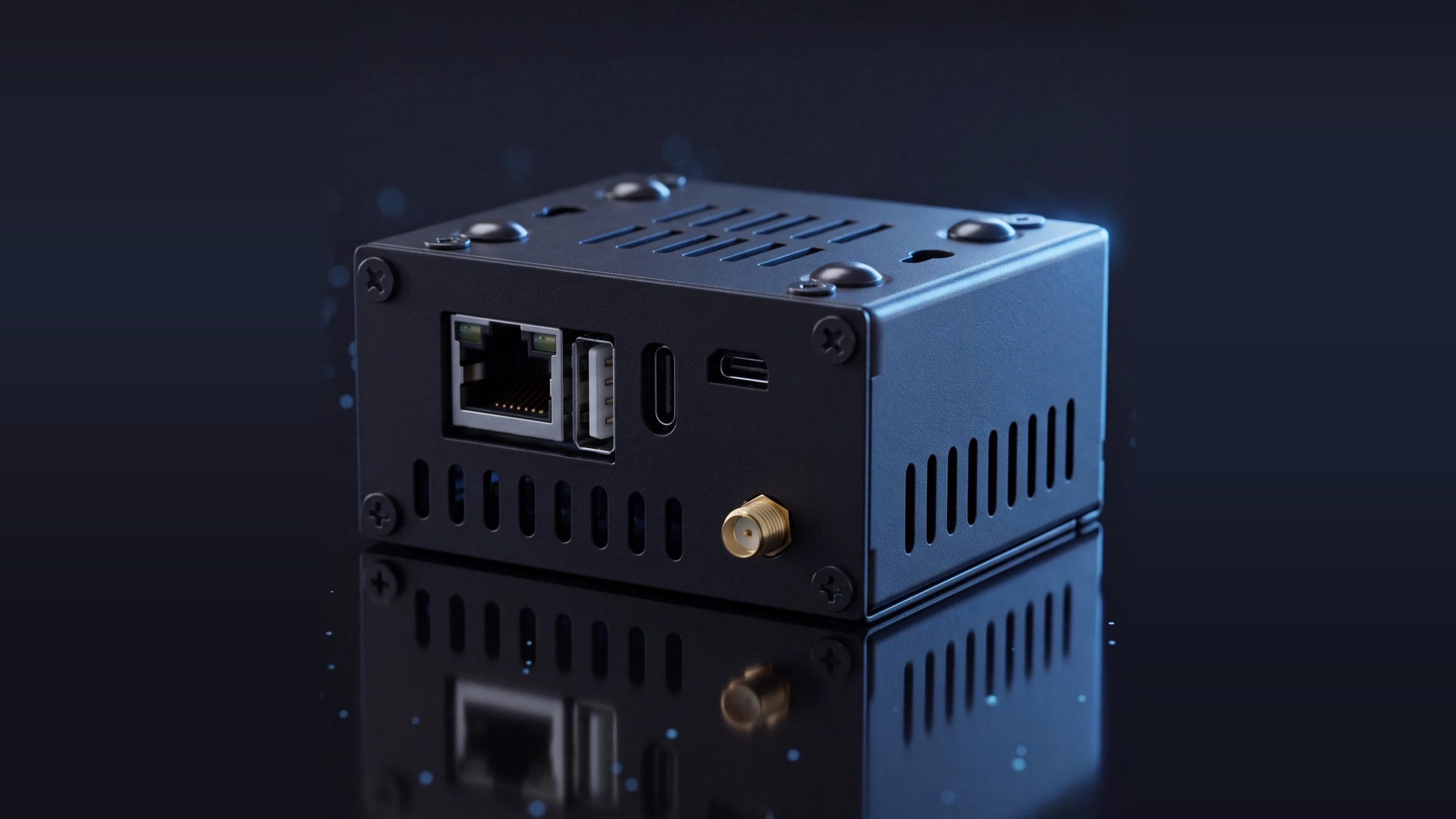
The sharp rise in RAM prices has left tech enthusiasts and AI hobbyists in a difficult position, making it increasingly expensive to run large language models locally. To address this, startup TradeMAV has launched an Indiegogo crowdfunding campaign for a product called RAMDeck. It is a $109 hardware hub designed to pool memory from various household devices to run large AI models.
The campaign aims to raise $10,000 and will run until 8 November 2026, though the technical details behind the product have become a significant topic of discussion.
How RAMDeck Works and What Lies Behind It
The idea behind RAMDeck is straightforward: it allows Windows PCs, Macs, Linux systems, and even Android smartphones on a local network to be combined into a unified memory pool. If a model does not fit on a single device, it is distributed across multiple machines.
However, there is no physical merging of memory at the hardware level. RAMDeck relies entirely on a well-known open-source tool—the llama.cpp RPC (Remote Procedure Call) architecture, which is available to any user for free. Model layers are distributed across networked devices, and only intermediate data is transmitted between them during the generation process.
TradeMAV’s primary contribution is software orchestration: automatic device discovery, layer distribution that prioritizes fast GPUs, error management, a dashboard, and an OpenAI-compatible API.
The Memory Crisis and Market Context
TradeMAV’s initiative is not coincidental. DDR5 memory prices have risen astronomically; compared to mid-2025, prices have increased nearly fivefold. For example, the price of a 64GB DDR5 kit has jumped from $191 to over $1,100. Samsung and SK Group project that this deficit could persist until 2028 or even 2030.
Under these conditions, utilizing the memory of old laptops, tablets, and phones instead of purchasing new RAM seems like a logical alternative, especially for those who want to run AI models locally.
Performance: Technical Limitations
TradeMAV openly admits that network-pooled memory increases capacity at the expense of performance (speed). Tests have shown that Mixture-of-Experts (MoE) architecture models run relatively quickly: the Qwen3-Coder 30B model achieved 39 tokens per second on a Beelink mini PC (RTX 3060) and an M4 Mac mini.
However, in the case of dense large models, speeds drop drastically. A 27B dense model showed only 1.92 tokens per second across four devices. A larger gpt-oss-120b model produced 1.37 tokens per second across six devices, while the initialization process took nearly 7 minutes. While this is better than an out-of-memory crash, it is quite slow for practical work.
Is It Worth the Investment?
For those who are not intimidated by working with a command-line interface (CLI), configuring llama.cpp’s RPC mode or using free tools like Exo Labs’ exo project provides the same result entirely for free. The $109 RAMDeck hub offers users not exclusive technology, but rather ready-made convenience, a simple interface, and automation.