Prusa Launches New ESD Filament for Electronics Manufacturing
The new carbon-reinforced material offers a cost-effective solution for static-sensitive manufacturing.
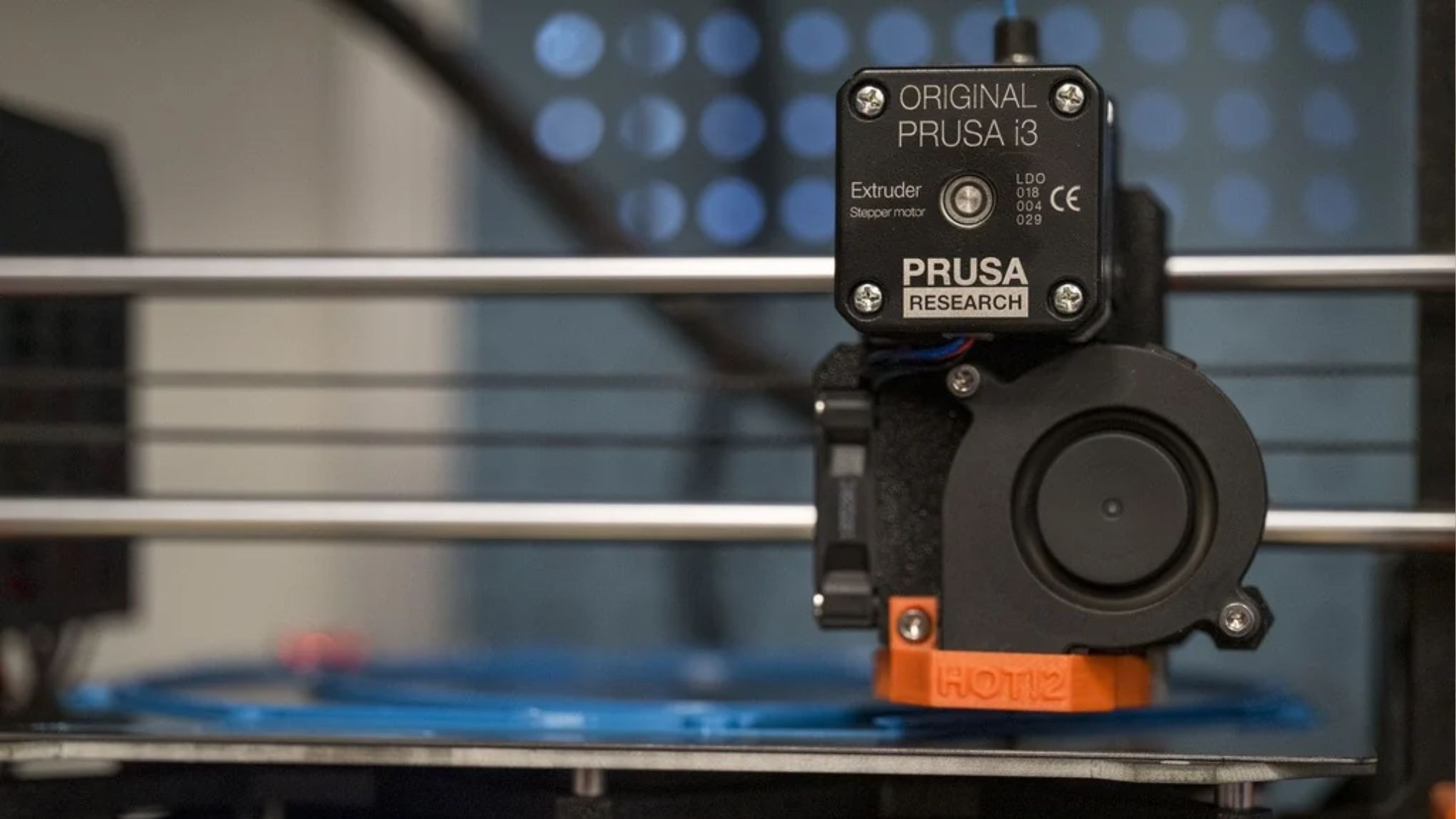
An Innovative Material for the Electronics Sector
Prusa, the renowned Czech 3D printer manufacturer, has expanded its product line with the introduction of Prusament PETG ESD. This filament is specifically engineered to protect sensitive electronic components from static electricity. By incorporating both carbon fibre and carbon nanotubes (CNT), the material achieves effective electrostatic discharge (ESD) properties.
While hobbyists can utilise the material for personal projects—such as printing enclosures for Raspberry Pi or ESP32 boards—Prusa is primarily targeting electronics manufacturers and engineers. The company suggests the filament is ideal for producing PCB holders, soldering jigs, and trays for transporting integrated circuits.
Advantages and Competition
A key advantage of Prusament PETG ESD is its price point. At $56.99 per kilogram, it is significantly more affordable than comparable market alternatives. For instance, similar products from Polymaker retail for $65.98, while 3DXTech’s version is priced at $105. Furthermore, Prusa’s offering is unique in that it combines ESD properties with a carbon fibre-reinforced structure.
Technically, the addition of carbon fibre increases the material's rigidity and reduces warping during the printing process. However, the company notes that the filament has reduced elasticity, a common characteristic of carbon-enriched plastics. While full technical specifications have yet to be released, Prusa confirms that the material has already been successfully integrated into its own production lines.
Why This Matters
Advances in 3D printing technology have significantly reduced production costs. Previously, manufacturing specialised ESD fixtures often required CNC machines, which were both time-consuming and expensive. With Prusa’s new filament, small and medium-sized enterprises can now print necessary components on-site, quickly and at a lower cost.
For the technology sector, where electronic prototyping and small-batch production are becoming increasingly popular, the availability of such materials is a significant step forward. It enables engineers to create more professional and secure production environments with minimal expenditure.