Post-US Election: Tech Giants Pivot Their Political Strategy
Silicon Valley firms are realigning with Democrats and rebranding their infrastructure following the latest US midterm election results.
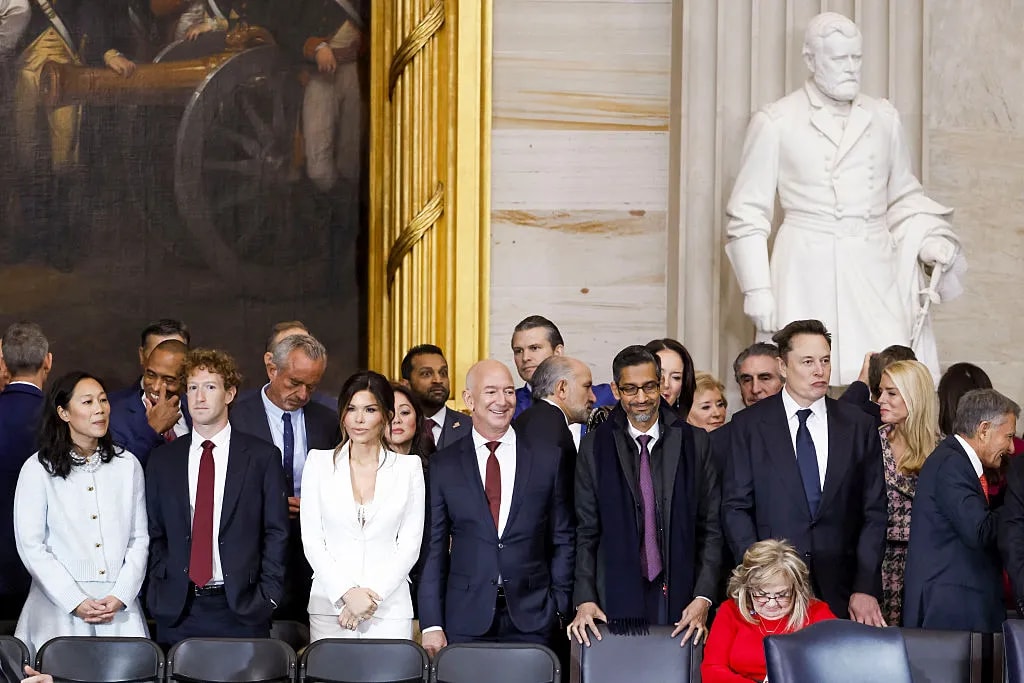
The conclusion of the US midterm elections has triggered strategic shifts across the technology sector. Leading Silicon Valley firms, which spent the last two years actively aligning with the Donald Trump administration, are now attempting to adjust their political trajectory. As the balance of power in Washington shifts, corporations are seeking to restore relationships with Democrats, who have promised to tighten oversight of the artificial intelligence (AI) sector.## Image Makeover or Real Policy?The changes are already visible. For instance, shortly before the election, OpenAI hired Jessica Schumer, the daughter of Democratic Senator Chuck Schumer. Simultaneously, the company began referring to its data centres as "compute campuses," a move experts describe as an attempt at public opinion manipulation and "PR whitewashing." Analysts note that similar strategies, such as Meta’s educational initiatives or Anthropic’s new corporate projects, aim to reshape public perception of these companies.Despite these efforts, many experts remain sceptical of this "pivot" by tech giants. There is a prevailing view that companies are attempting to return to the political centre too late, and that their primary focus should have been on increasing the social utility of their products rather than on lobbying.## Regulations and the Local LevelOver the next two years, the main challenge for the tech industry may shift from Washington to the state level. Given the potential for political gridlock in the federal government, states are already actively working on legislation to regulate AI. This includes restrictions on the construction of data centres, as well as controls on chatbots and deepfakes.Meta President Dina Powell McCormick stated that companies are prepared to work with any elected government, as cooperation is essential for uninterrupted business development. However, public demand for stricter control over technology remains high.## Economic RisksBeyond political shifts, the industry faces market volatility. Following the elections, a decline in the share prices of AI-related companies on stock exchanges has caused concern among investors. Some experts suggest that the "AI bubble" could burst under this administration, forcing companies to choose between continuing innovation amid strict regulations or accepting a market correction.Ultimately, the success of technology companies in the near future will depend less on Washington and more on the specific regions where they operate, and where local communities will decide the acceptability of these large-scale infrastructure projects.