Political Drama in Crusader Kings 3: How to Remove a Ruler?
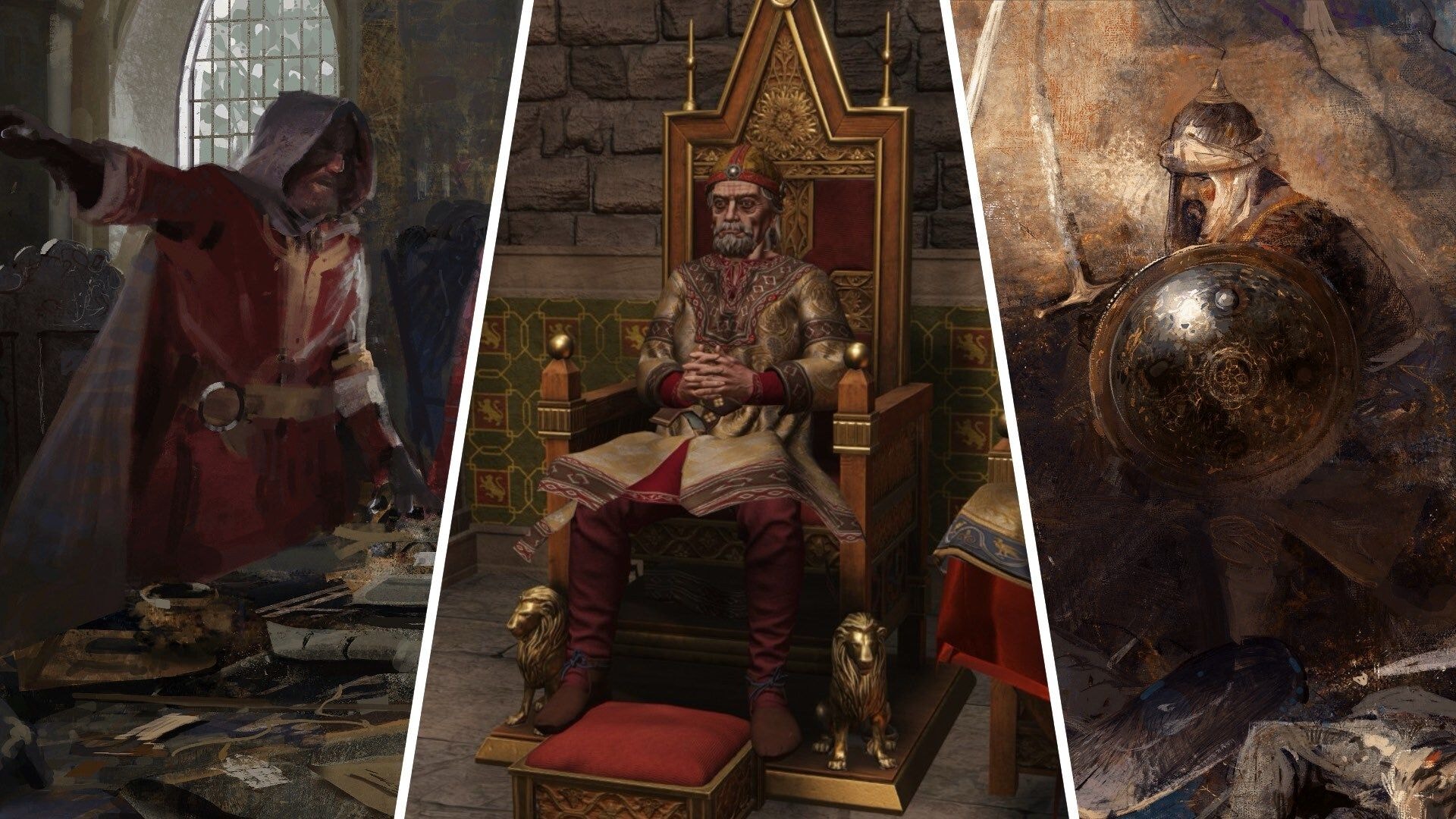
Modern political processes are often so complex and opaque that people are increasingly turning to unconventional methods to analyse them. One enthusiast decided to draw parallels between American political crises and Paradox’s renowned strategy game, Crusader Kings 3. Their goal was simple yet ambitious: to determine how one might remove a 'mad', elderly ruler who refuses to relinquish power.
Starting the Simulation
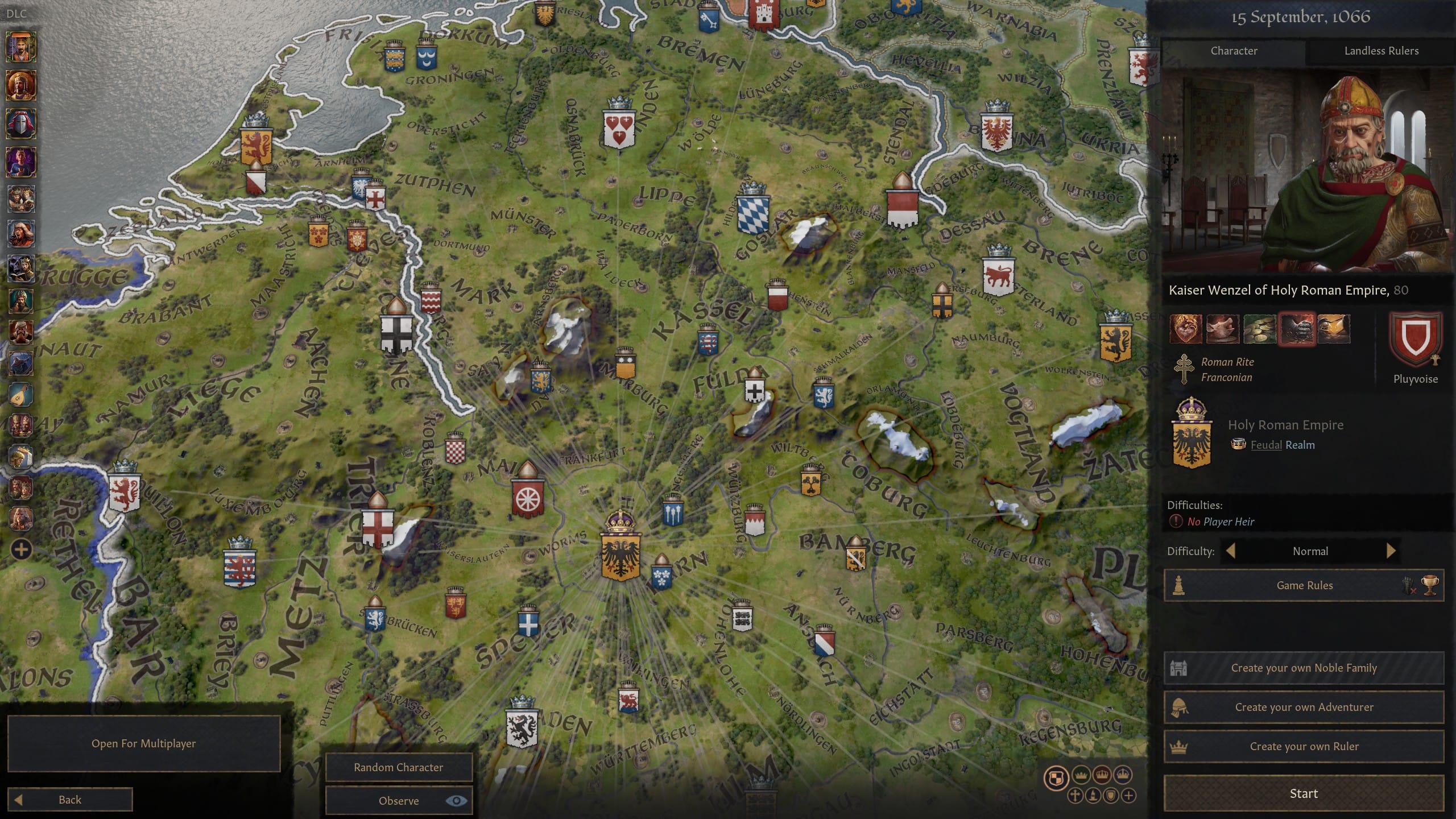
For the experiment, the author created a custom character—80-year-old Wenzel, who held the 'lunatic' trait. He was placed at the helm of the Holy Roman Empire. The player positioned themselves as one of Wenzel’s vassals to observe how realistic it is to change the system from within. The initial plan relied on a diplomatic approach: gifts, flattery, and swaying influential vassals to gain the ruler's trust and gradually seize power.
However, it turned out that political goodwill is merely a temporary shield. Just as the player was attempting to expand their base of support, Wenzel unexpectedly became the source of a plague outbreak. This event, dubbed 'Wenzel’s Cough', proved so devastating within the game's mechanics that political intrigue took a backseat. The struggle to save family members and the radical methods of physicians, including bizarre 'bee treatments', caused the player to temporarily forget the primary objective: removing the ruler.
A Political Lesson
Once the health crisis was somewhat under control, the player attempted to change their fate by force. Confronting a 7,000-strong army with only 1,400 soldiers seemed impossible, necessitating the formation of alliances. Yet, misfortune struck again; a potential ally, the Duchess of Tuscany, prematurely and recklessly launched a war for independence, dooming both herself and the player’s plans to failure.
The end of the experiment was quite dramatic. The player’s character died of the disease, while Wenzel, despite his age, mental state, and multiple epidemics, remained in power. This simulation offers a compelling lesson: in politics, one cannot rely solely on the goodwill of influential figures or their logical actions. Each has their own, often misguided, agenda, which ultimately leads to unpredictable outcomes.
Although Crusader Kings 3 is just a game, it effectively reflects the nature of power—often, the system protects its own 'mad' leaders, while those seeking change become victims of their own ambitions or external factors.