Police Break Up Protest at Microsoft Data Centre in Amsterdam
Environmental activists attempted to breach the construction site, leading to mass arrests.

Protests and Mass Arrests in Amsterdam
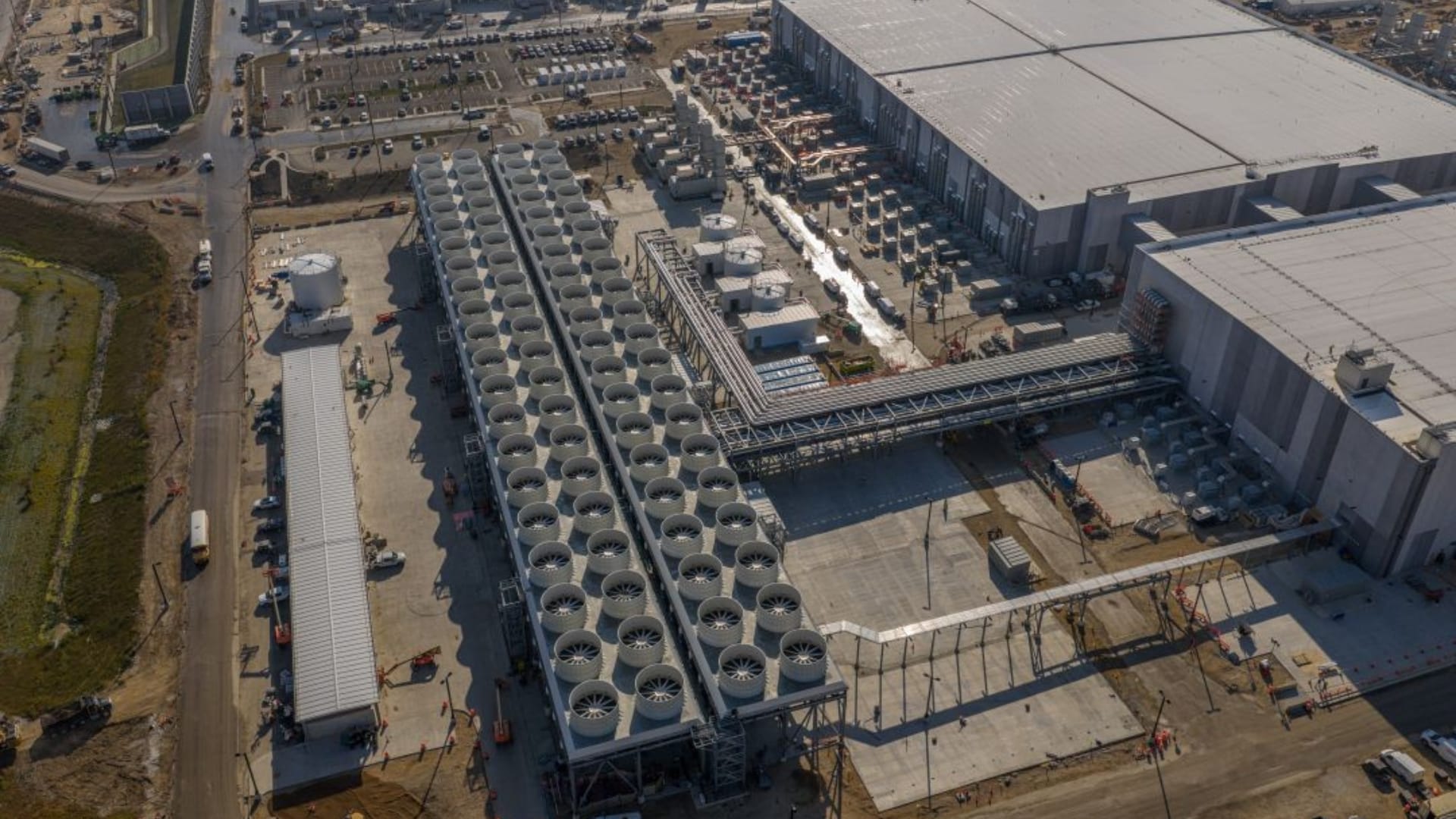
Amsterdam police have detained between 150 and 200 participants following a protest at a Microsoft data centre construction site. Authorities stated that the arrests were made due to illegal trespassing and acts of vandalism. While some activists were exercising their right to peaceful protest, a segment of the group attempted to break through security fencing and gain access to the site by force.
Police reported that some of those detained were carrying specialised tools, which they believe were intended for breaking into the facility. Furthermore, searches revealed items stolen from the construction site, and the facility's infrastructure sustained significant damage. All detainees have been taken to a police station, where they face questioning and further legal proceedings.
What Are the Activists Protesting?
The demonstration was organised by the group Fossielvrij, a member of the "Stop Dirty Data Centers" coalition. Their primary demand is a ban on the use of fossil fuels in data centres. Activists are criticising major technology companies like Microsoft, arguing that their energy consumption is critically high and threatens to overload local electrical grids. In a statement, the group claimed that tech giants are using energy to build "ugly" and environmentally unfriendly data centres at a time when resources for public needs are scarce.
The coalition plans to stage similar protests in other European cities, including Dublin, Warsaw, and locations in Denmark. This movement is part of a growing global trend where the construction of data centres required for artificial intelligence (AI) development is facing increasing resistance. For example, in Finland, a criminal case was opened against a Google subsidiary for illegal deforestation and for proceeding with data centre construction without a proper environmental impact assessment.
Why This Matters
In the era of artificial intelligence, the demand for data centres is growing at a record pace. Tech companies are scrambling to meet the requirements of AI-based services, which demand massive computing power and, consequently, a sharp increase in electricity consumption. This global conflict highlights the intensifying tension between technological progress and environmental standards.
For countries like Georgia, which aims to become a regional digital hub and is already attracting investment for data centre construction, such precedents serve as a vital lesson. Energy security and environmental stewardship will be the primary challenges that any major technology project must address in the future to avoid public backlash and legal complications.