Polestar’s New Concept: The Future Design of Electric Vehicles
The Formula 2030 concept previews the design and technology of the next generation of Polestar models.
A New Vision for Electric Mobility
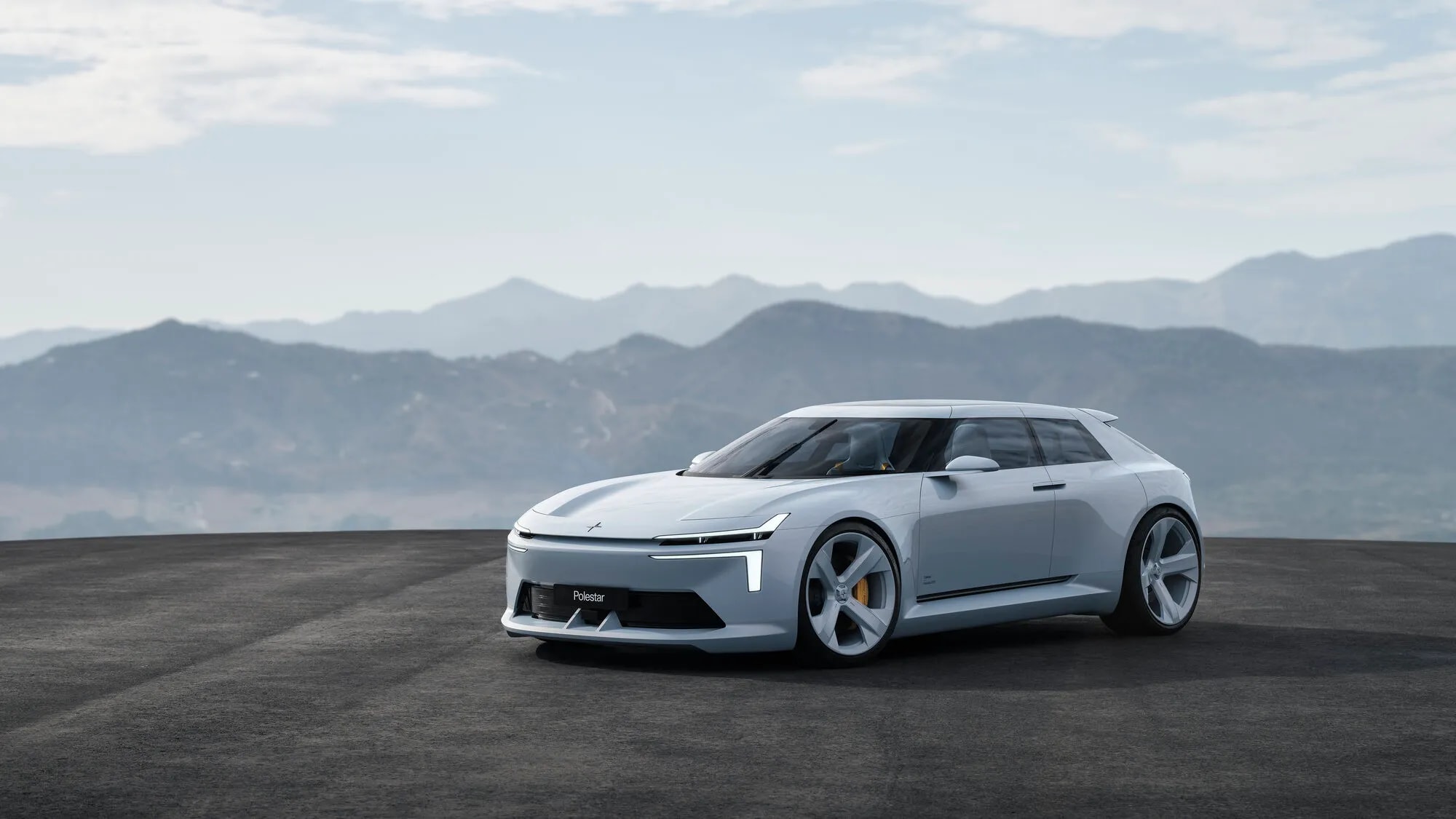
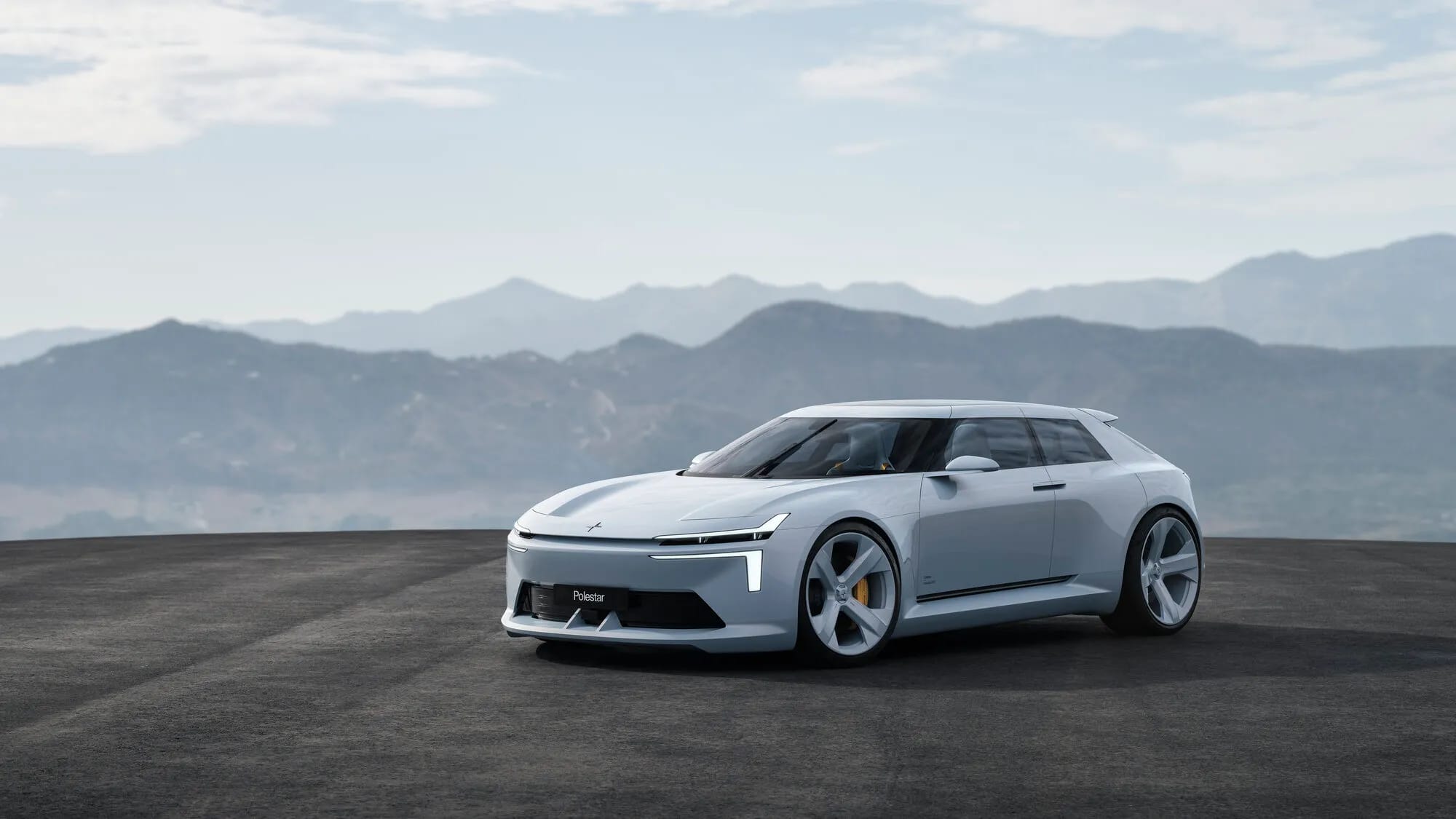
Swedish automaker Polestar has introduced the Formula 2030 concept to the public. This low-slung, four-door electric sports car serves as a visual manifesto for the company’s future roadmap. Design elements from this model are set to be integrated into the next-generation Polestar 2, planned for 2027, and the upcoming Polestar 7 compact crossover.
The vehicle’s design is led by Philipp Römers, who joined the company in 2024. The proportions of the Formula 2030 evoke classic sports cars, featuring a long bonnet, a rear-set cabin, and massive wheels. Standing just 1,350 millimetres tall, the concept boasts a highly aerodynamic and visually aggressive profile.
A Return to Physical Controls
One of the most significant updates concerns the interior. Bucking the recent industry trend of minimalist, screen-only interfaces, Polestar has decided to reintroduce physical control buttons. While a 20-inch curved screen sits in front of the driver, the central console features eight physical controllers. Owners will have the ability to program the functions of these buttons or swap them out for rotary dials and switches.
The cabin is driver-focused and adapts according to driving modes. In 'Performance' mode, for instance, the steering wheel and screen move closer to the driver, while autonomous driving mode reconfigures the interior to provide passengers with more space. The seats are equipped with inflatable side bolsters that automatically adjust to the occupant's body.
Technological Details and Outlook
Although Polestar has yet to disclose technical specifications such as battery capacity or power output, it is confirmed that the concept is fully integrated with Google Gemini artificial intelligence. The rear of the vehicle features the 'Single Blade' lighting signature, which is set to become a new standard in production models. Other notable features include a transparent boot floor and a LiDAR sensor that emerges from its housing only when autonomous driving is engaged.
Today, Polestar’s primary challenge lies not in design, but in production efficiency and financial stability. The company hopes that its new models, due between 2027 and 2028, will strengthen its market position. For enthusiasts following the European electric vehicle market, this development is significant as it signals the future standard for premium electric cars in the coming years.