Pentagon Seeks $30 Million to Develop AI-Powered Lie Detector
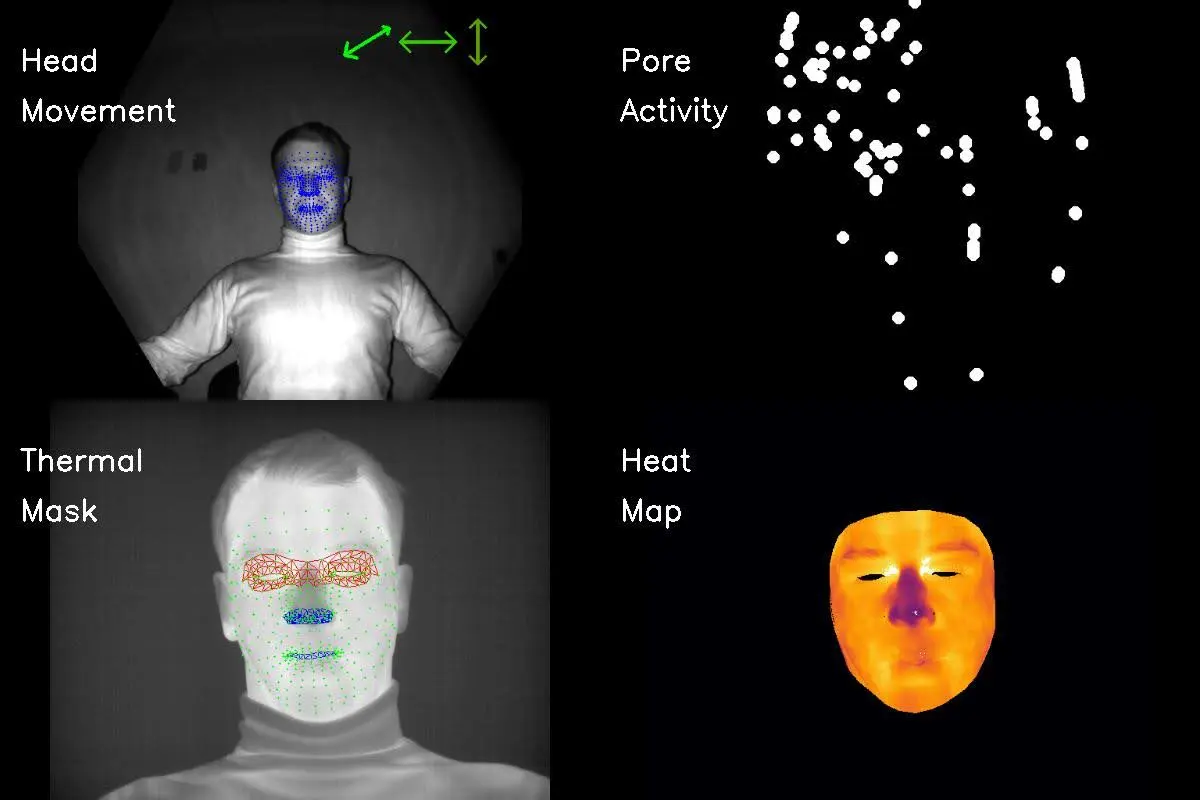
The U.S. Department of Defence is requesting $30.3 million over the next five years to develop a new type of lie detector. According to reports from Inside Defense and MIT Tech Review, the project, referred to as "Polygraph+" or "Polygraph Next," will be underpinned by artificial intelligence and machine learning algorithms. While the budget proposal awaits congressional approval, the initiative will be led by the Defence Counterintelligence and Security Agency (DCSA), which is responsible for vetting federal employees and identifying insider threats.
Contactless observation and algorithms
Unlike traditional polygraphs, which require sensors to be attached to the subject's body, the new system will focus on "standoff sensing." This technology aims to read physiological indicators without physical contact, using cameras and specialized sensors. The Pentagon’s Defence Innovation Unit (DIU) selected Presage Technologies and Altec Research in 2023 to develop prototypes. Presage claims its technology can detect heart rate and breathing frequency using standard cameras, while Altec Research’s system monitors head movement, skin temperature, and pore activity.
How reliable is the technology?
This push to modernize lie detection comes amid internal tensions within the defence department. Under Secretary of Defence Pete Hegseth, the Pentagon has increased its use of polygraphs to identify the sources of media leaks. According to The New York Times, approximately 50 officers from the Joint Staff were subjected to polygraph testing following reports on the depletion of munitions amid the conflict with Iran.
Despite these efforts, scientists remain skeptical of AI-powered polygraphs. Since the 1920s, traditional polygraphs have faced criticism for inaccurate results, subjectivity, and the ease with which they can be deceived; their findings are rarely admissible as evidence in court. Experts note that there is simply no universal physiological sign of lying. Theoretically, AI could analyze stress, cognitive load, and attempts to suppress emotions simultaneously. However, given that the Pentagon employs 2.8 million people, even a small margin of error could lead to the false accusation of tens of thousands of innocent employees.