Palantir CTO Discusses AI Safety and Industry Ethics
Shyam Sankar addresses the intersection of corporate strategy, AI safety, and industry trends
Collaboration and Controversy
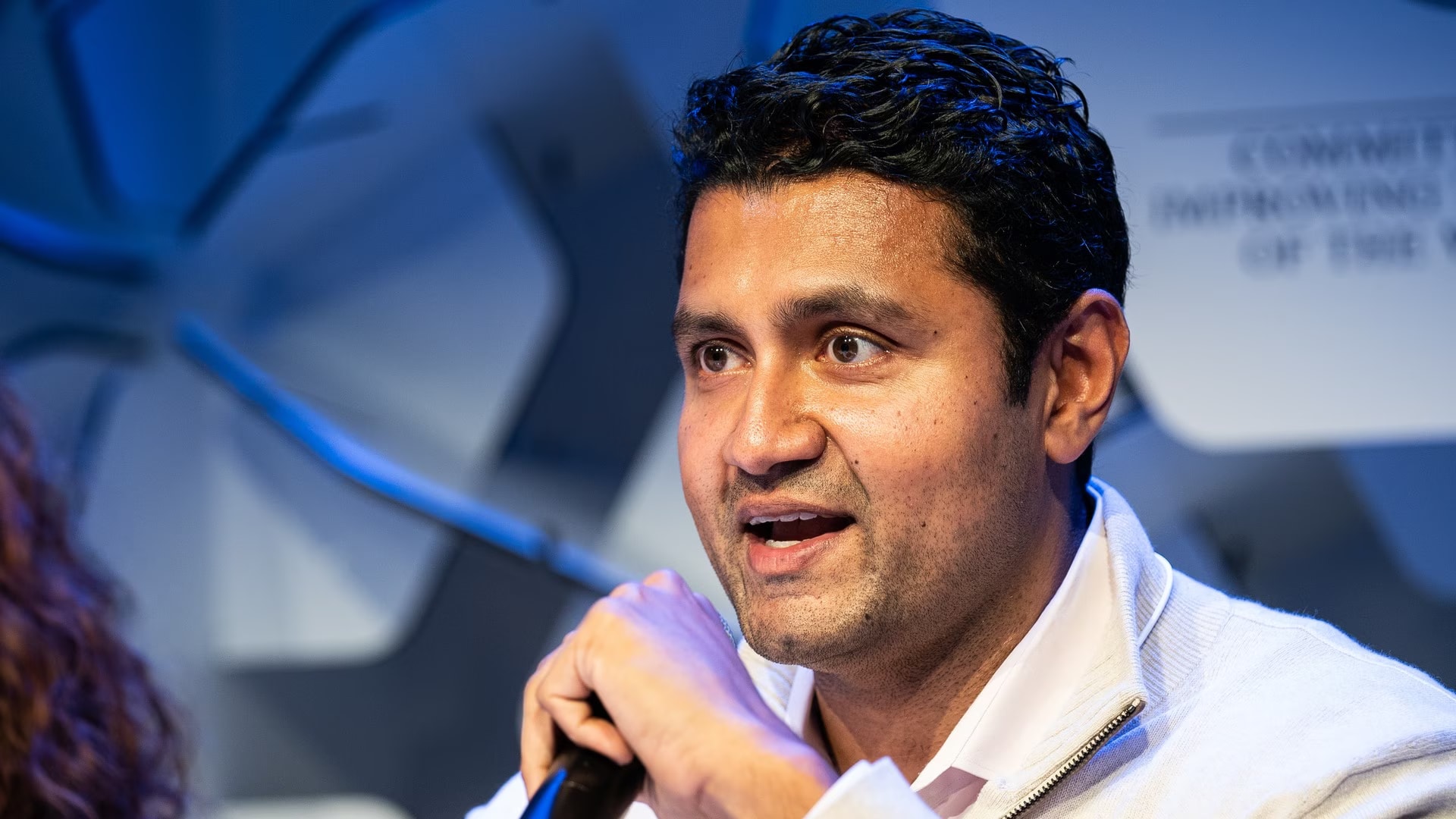
Palantir Chief Technology Officer Shyam Sankar has provided a detailed look at the company’s current strategy and the broader landscape of artificial intelligence. A central focus of his discussion was the partnership with Anthropic, which recently found itself at the heart of a controversy involving the U.S. Department of Defense. Despite Palantir acting as an intermediary in this situation, Sankar stated that he has no regrets regarding the collaboration. The company continues to work with leading AI laboratories, offering clients the flexibility to securely swap one AI model for another.
AI as a 'Secular Religion'
Sankar expressed a firm stance on the discourse surrounding AI safety. He argued that the ideology of 'effective altruism' has transformed AI safety into a form of secular religion. The CTO believes that debates concerning an inevitable utopia or the end of humanity ignore the human element and the responsibility inherent in careful system design. Sankar finds it unacceptable when such philosophical or religious views are presented to the public as technical critiques or expert conclusions.
Business Efficiency and the Future
Palantir’s leadership is closely monitoring market trends. Sankar noted that companies using AI solely to cut costs and reduce staff often fail to achieve their objectives. Conversely, success is found in organizations that leverage AI to strengthen their market position and gain a competitive edge. Regarding Chinese laboratories, Sankar believes they currently lag behind the technological frontier. He predicts that once Chinese companies reach this advanced level, they will cease releasing their models with open weights.
What Does This Mean?
Sankar’s position highlights Palantir’s approach: the company avoids dogmatic model selection, instead providing businesses with the freedom of choice. This strategy aligns with their business model, which prioritizes pragmatism and results-oriented technological solutions. For the business sector in Georgia, which is increasingly adopting AI solutions, this experience offers a significant lesson: the success of a technology depends not only on the power of the model itself but on its proper integration and purposeful application.