Orionids 2026: How to Watch This Week's Meteor Shower
When and Where to Watch
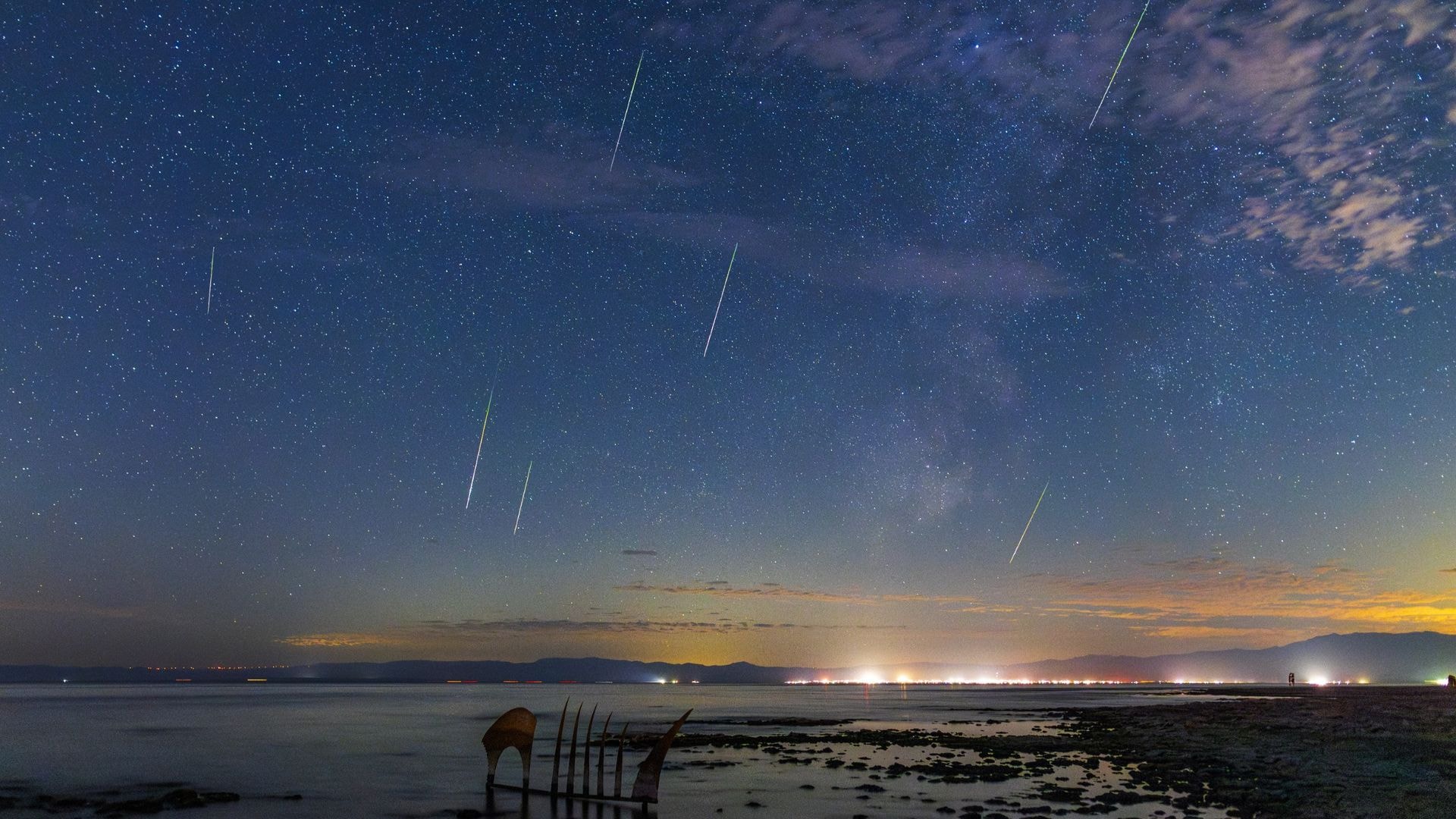
Autumn 2026 has been a busy season for astronomy enthusiasts. Following the summer's Perseids, the Orionid meteor shower arrives at the end of October. The phenomenon peaks on October 21-22, offering a spectacular celestial display under the right conditions.
The Orionids take their name from the constellation Orion, as the meteors appear to originate from that direction. While Orion is a symbol of the winter sky, in October, it rises above the eastern horizon after 11 p.m. For the best view, however, patience is required: after 2 a.m., Orion is sufficiently high, and by dawn, around 5 a.m., it reaches its highest point in the southern sky.
The Moon Will Not Obstruct the View
Light pollution is the greatest enemy of stargazing, so it is advisable to head to a dark location away from city lights. Bring warm clothing and a comfortable chair, as your eyes need time to adjust to the darkness. Fortunately, this year the moon will not interfere with observations. Although the full moon occurs on October 25-26, on the night of October 21-22, the moon will set around 2 a.m. This leaves a period of approximately three and a half hours of completely dark sky before dawn, during which 15 to 20 meteors per hour may be visible.
The Trail of Halley's Comet
The source of the Orionid meteor shower is the legendary Halley's Comet. Comets, which formed 4.6 billion years ago during the birth of the solar system, act as cosmic time capsules. As Halley's Comet approaches the sun, material from its surface turns into gas through sublimation, scattering dust and debris into space.
Earth crosses the orbit of Halley's Comet twice a year. When these particles enter our atmosphere at a speed of 66 kilometres per second, they burn up, leaving bright trails across the sky. A unique feature of the Orionids is that about half of them leave long, glowing streaks, a result of the specific material they leave behind.
Halley's Comet last appeared in 1986, and its next visit is expected in 2061. Until then, we have a unique opportunity this week to witness a cosmic legacy that began billions of years ago. If the sky is clear, do not miss the chance to observe this remarkable astronomical event.