Orbital Data Centres: Why Google Deems the Idea Unprofitable
Google’s energy chief warns that the costs of space infrastructure make it an impractical solution for current AI demands.
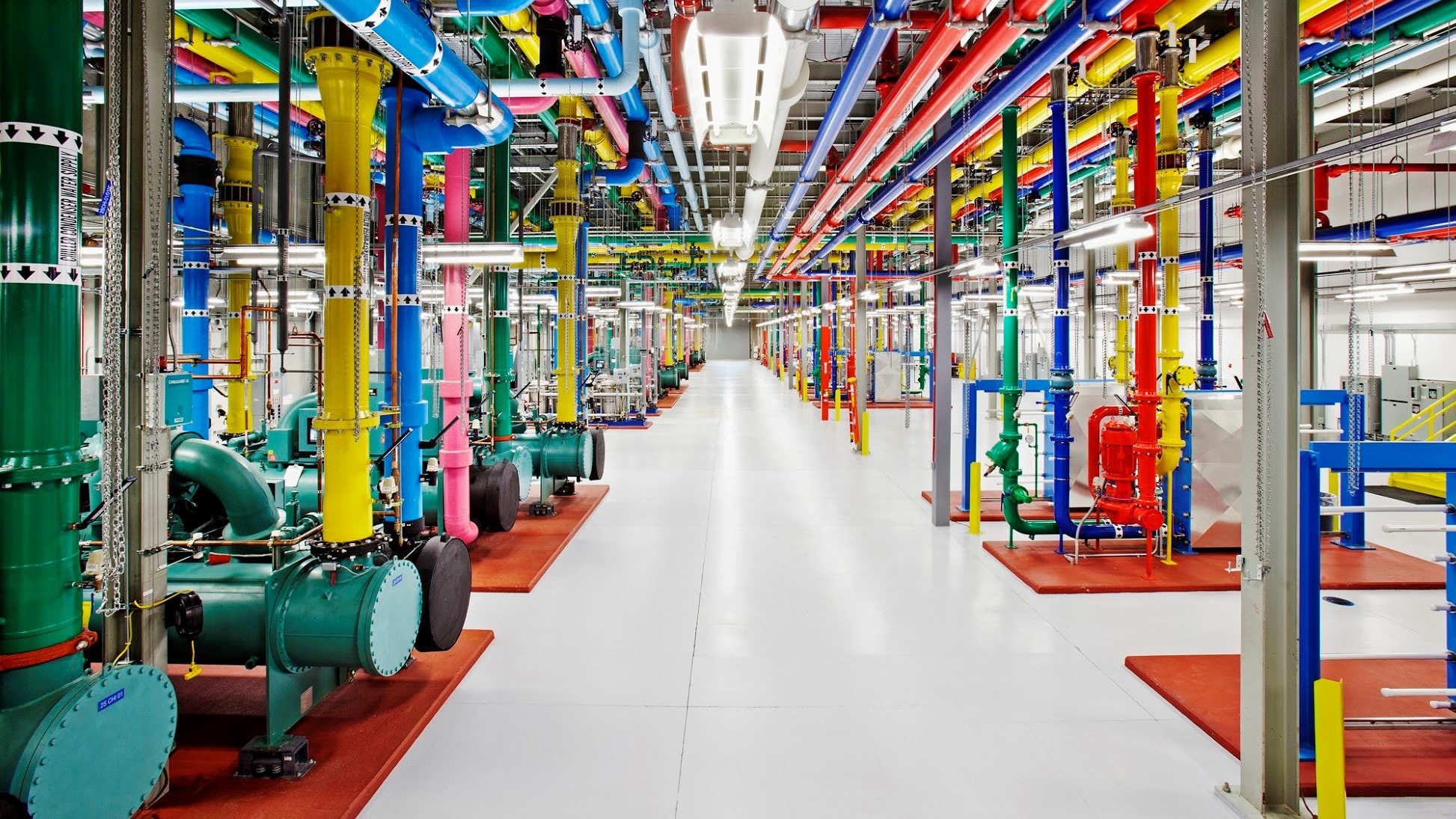
As artificial intelligence continues to evolve, tech giants are increasingly searching for ways to scale their computing power. One ambitious proposal involves placing data centres in Earth's orbit. However, Amanda Peterson Corio, Google’s global head of energy, remains sceptical. She argues that building space-based infrastructure would cost companies 100 times more than terrestrial equivalents, rendering the idea commercially unattractive.
Space Ambitions and Real Costs
Interestingly, Google has been conducting its own orbital experiments. Through Project Suncatcher, the company launched a satellite equipped with TPUs (Tensor Processing Units), which are specialised processors for AI. While the satellite successfully generated short text, its capacity is extremely limited. The device produces only one kilowatt of power, sufficient to operate just one chip for a short duration. For comparison, modern AI campuses on Earth consume one gigawatt of power—a million times more than the capacity of this space prototype.
Permits or Power: Where is the Problem?
According to Amanda Peterson Corio, the primary obstacle to expanding data centres on Earth is not a lack of energy, but rather bureaucratic processes and the difficulties associated with obtaining construction permits. Companies frequently face opposition from local communities, which stalls projects worth hundreds of billions of dollars in the United States. In Corio’s view, the industry should exhaust all possibilities on Earth before funding space-based ventures.
Financial Risks and Investor Expectations
The concept of orbital computing is a notable part of the strategy for SpaceX, whose founder, Elon Musk, considers the direction promising. However, some financial analysts point out that if building space-based data centres is 100 times more expensive, the return on investment could take decades. Although Alphabet, Google’s parent company, is a major shareholder in SpaceX, the corporation’s leadership is clearly warning the market that space computing remains in a purely theoretical and experimental phase.
Ultimately, until companies present more powerful and economically viable models, space data centres will remain a "moonshot" project. For users, this means that digital services will continue to rely on terrestrial servers for the foreseeable future, while space technology remains a distant, albeit interesting, prospect.