OpenAI Will Not Slow the Pace of Scientific Discovery
Sam Altman confirms that OpenAI holds numerous unpublished breakthroughs, sparking mixed reactions within the global scientific community.
AI on the Frontlines of Science
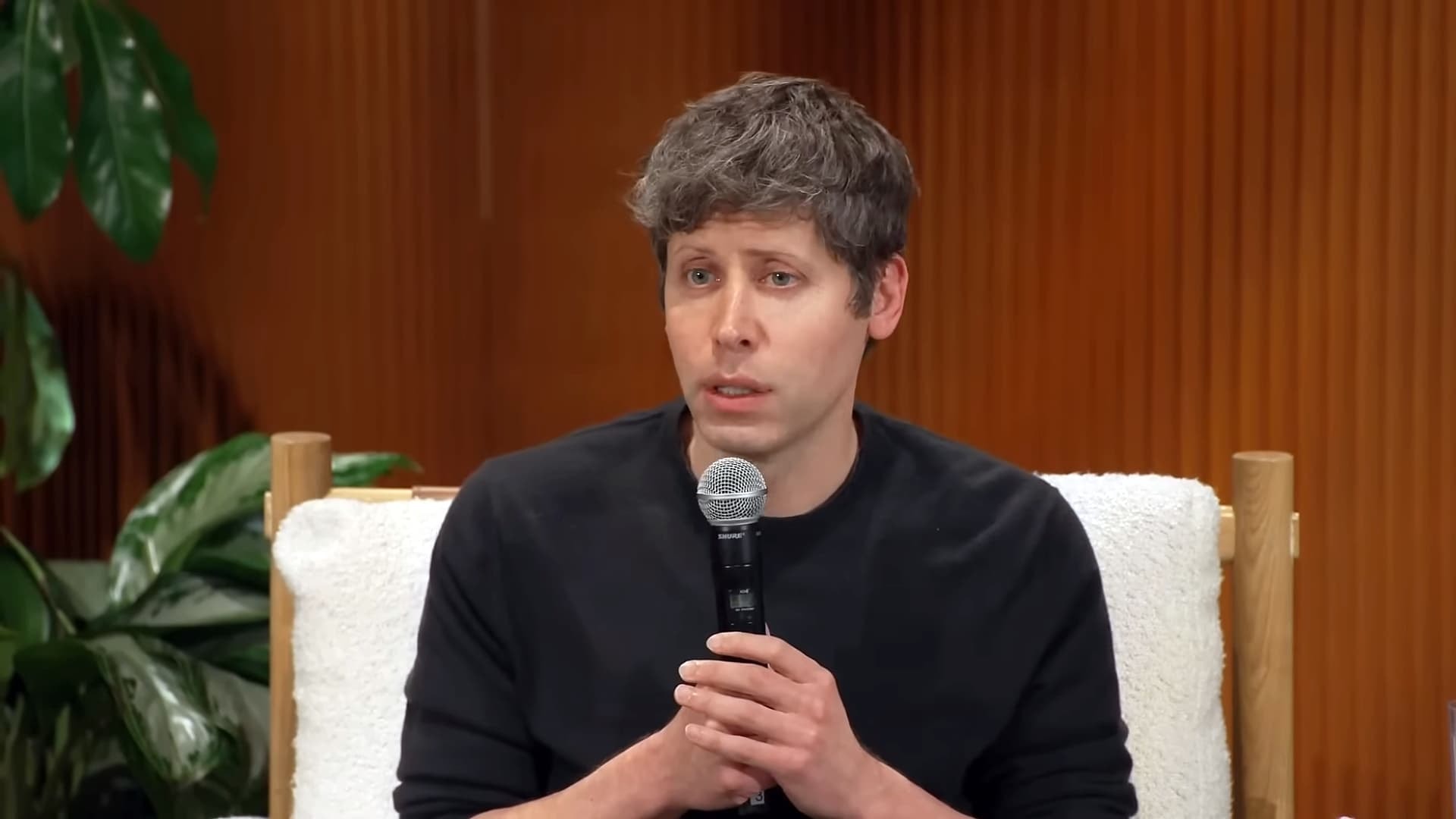
OpenAI CEO Sam Altman has announced that the company will not slow the pace of its scientific research and mathematical discoveries powered by artificial intelligence. While the scale of research produced by the tech giant has created a sense of chaos in academic circles, Altman believes that humanity deserves access to fundamental knowledge and that delaying its release is unacceptable.
Speaking on the Cheeky Pint podcast, Altman confirmed that the company’s vaults still contain numerous unpublished scientific breakthroughs. This statement clarifies that OpenAI’s strategy, which aims to solve complex mathematical problems, will become even more intensive in the near future.
The Academic Reaction: Excitement and Anxiety
OpenAI’s practice of "imposing" research has drawn mixed reactions from scientists. On one hand, the AI’s ability to disprove complex theories—such as the Exponential Time Hypothesis (ETH)—is a major step forward for science. Some researchers compare this process to a floodlight suddenly turning on in a dark room, opening up boundless possibilities for new studies.
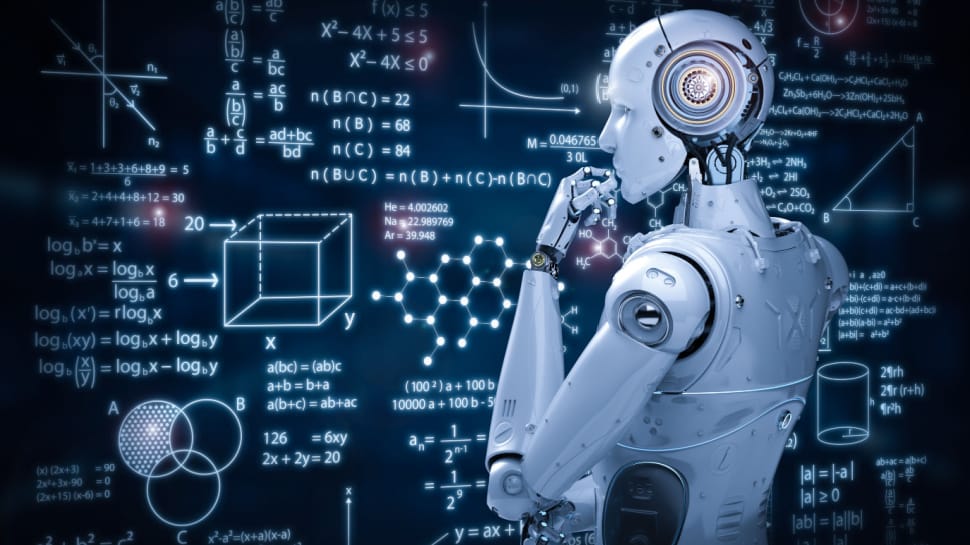
However, there is a painful side to this process. According to Thore Husfeldt, a professor at the IT University of Copenhagen, the speed at which artificial intelligence renders years of research projects obsolete is psychologically discouraging. Scientists often find themselves in a situation where their years of work become irrelevant in a matter of days.
Flaws in the Process and the Future
Critics note that OpenAI’s practice of uploading hundreds of manuscripts to GitHub at once makes it difficult to verify information properly. Academic standards are often compromised, with proper attribution missing and research bypassing independent peer review. Altman acknowledged that processes sometimes "got out of control," but emphasized that the final result—scientific truth—is more important than the method of its discovery.
Ultimately, as Peter Jonsson, a professor at Linköping University, points out, it does not matter to science who or what is the author of a discovery. If a mathematical proof is true, it should be used. This is a new reality where artificial intelligence accelerates scientific development at an inhuman speed, requiring constant adaptation from those in the field.