OpenAI Unveils ChatGPT Wallet: AI Agents Can Now Shop Securely
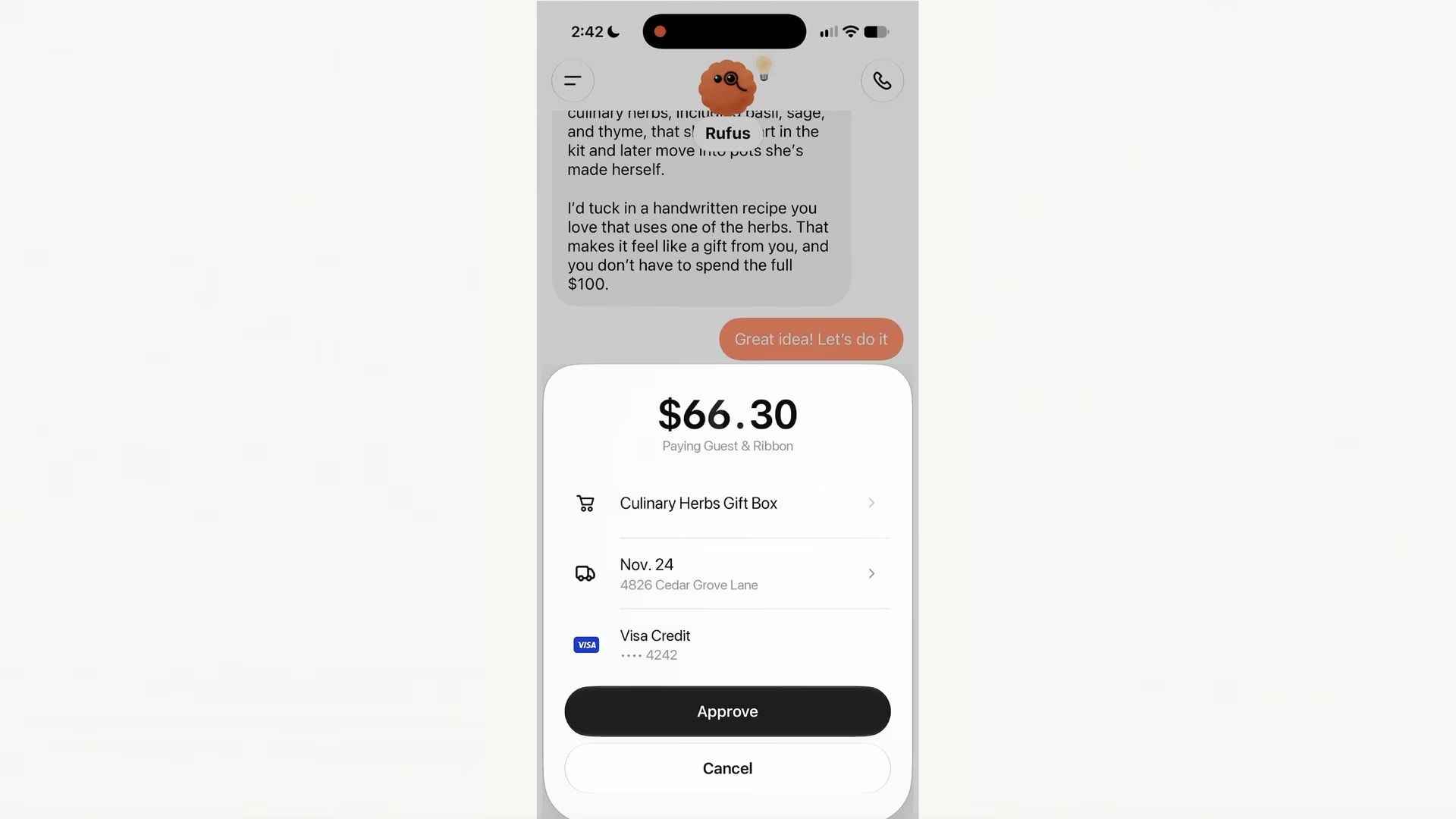
OpenAI has announced the next phase in its artificial intelligence development with the official introduction of ChatGPT Wallet. This new payment system enables ChatGPT’s AI agents to make purchases on behalf of users without the merchant or the AI itself ever seeing actual card details. The project was developed in partnership with financial giants including American Express, Mastercard, and Visa.
How the New Security Mechanism Works
The core of the system lies in tokenisation. Once a user adds a card to the system, every purchase requires a verification process. The user reviews the items, the final price, and the card, then confirms the payment using biometric data such as Face ID or a fingerprint. Following this, the payment network generates a unique "payment token." This token serves as a digital equivalent of the card, complete with its own number, security code, and expiry date. Consequently, businesses and the AI itself never access the user’s real banking information.
According to OpenAI representative Chaya Nayak, the company’s primary goal is to create a secure and simple payment environment tailored to both retailers and partner financial institutions. Currently, the service is available only to ChatGPT Pro subscribers in the United States who are over 18 years of age.
Challenges and Future Plans
Despite the technological innovation, the sector faces significant obstacles. Some major companies, including United Airlines and Amazon, are already blocking AI agents from accessing their platforms to avoid complications caused by automated purchases. There is also a risk that security systems may flag and block legitimate transactions made by AI as fraudulent.
To address these issues, OpenAI is actively collaborating with companies such as Forter, Riskified, and Stripe. They have already published a "guide" for businesses to help them adapt their platforms for AI agents. In the future, OpenAI plans to allow users to grant AI agents full control over shopping, with pre-defined spending limits and categories.
For users in Georgia, this development remains an interesting technological experiment for now, but it clearly illustrates a global trend: artificial intelligence is increasingly becoming a participant in our daily financial decisions. If the system proves its reliability in the U.S., it is likely that similar functionality will expand to international markets in the coming years.