OpenAI quietly renames data centres to compute campuses
The company adopts new terminology as criticism of AI infrastructure grows.
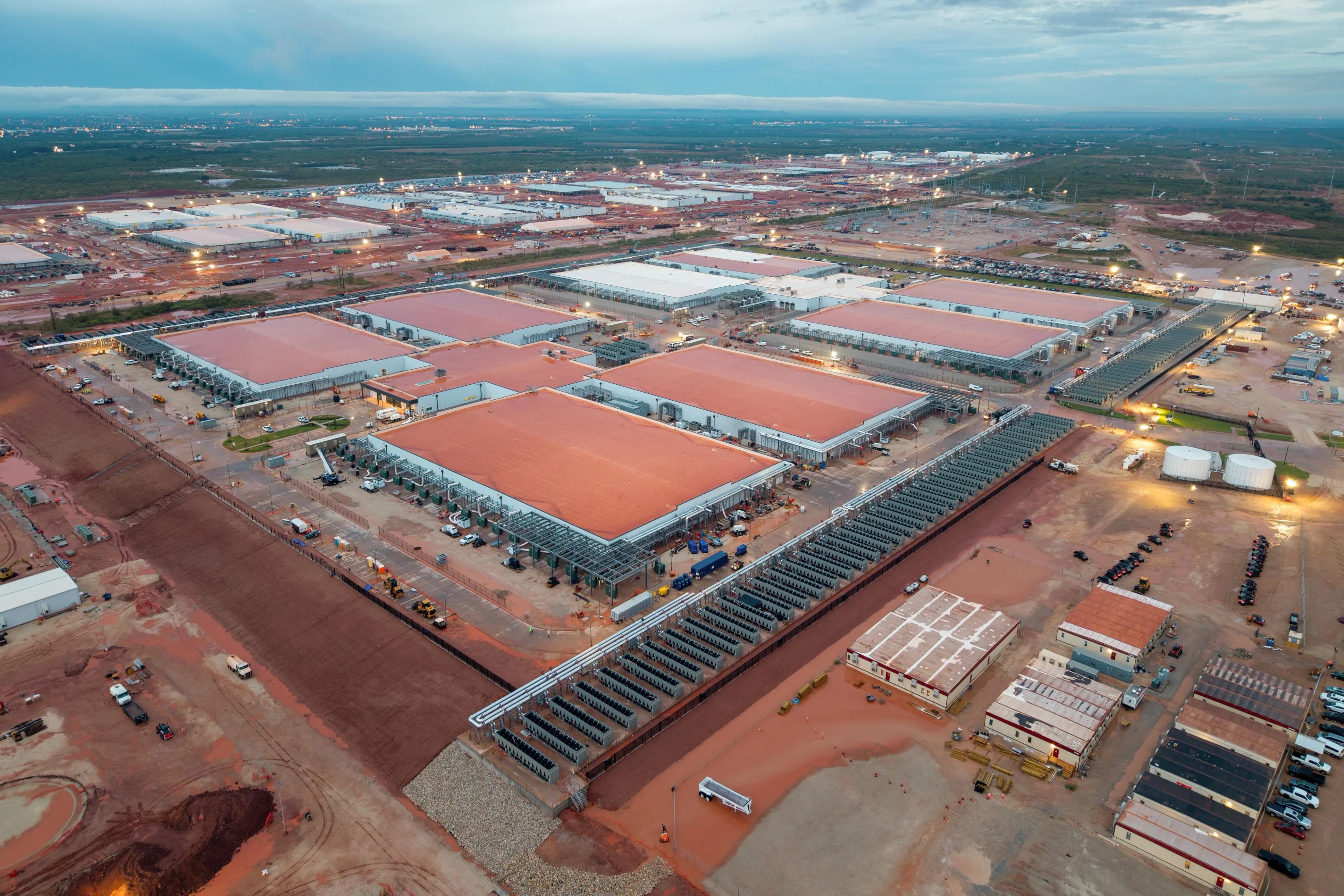
Rebranding amid growing discontent
OpenAI has begun using new terminology for its data centres. In an official announcement regarding the launch of its "Grid Protectors Program", the company referred to its energy-efficient facilities as "compute campuses" rather than "data centres". Across the 900-word text, the traditional phrase "data centre" appears just twice, with "compute campus" taking precedence.
The move coincides with escalating public and political dissatisfaction surrounding the massive infrastructure required for artificial intelligence development. Colossal energy consumption, noise pollution and heavy demands on local power grids have made data centres increasingly unpopular. OpenAI appears to hope that shifting its vocabulary will help ease public opposition, though critics regard the shift as nothing more than a PR manoeuvre.
The company is testing this new approach at its first facility in Effingham County, Georgia. According to OpenAI, the initiative aims to reduce the burden that AI infrastructure places on local electrical grids during extreme weather conditions or emergencies.
What is actually changing?
The company promises to absorb the costs it incurs and help local communities maintain stable power supplies. OpenAI maintains that its new computing facilities differ significantly from traditional data centres built years ago, claiming they offer greater flexibility in energy consumption.
However, environmental organisations and activists argue that swapping terms fails to address underlying issues. Holly Elmore, founder of the non-profit organisation PauseAI US, noted that OpenAI is simply reacting to the unpopularity of data centres: "Calling them compute campuses might trick listeners once or twice, but the public doesn't hate the name itself; they hate massive constructions that threaten to shut off people's heating in winter. Local residents will not be fooled by a name change."
Abre' Conner, director of the NAACP Center for Environmental and Climate Justice, expressed a similar view, calling it an empty response to a real problem given the tangible harm infrastructure inflicts on the environment and public health. "Changing the name doesn't fix the problem. At a time when companies could use resources to build new models, increase transparency or slow down construction, their only response is simply changing the name," Conner said.
Competition and industry challenges
Industry experts suggest OpenAI's move may form part of a broader lobbying strategy to alter worsening public perception of the AI sector, particularly amidst expected regulatory hurdles and political pressures that make constructing giant energy-intensive facilities harder.
At the same time, OpenAI is striving to keep pace with its main competitor, Anthropic. Earlier this year, Anthropic committed to funding 100 per cent of the grid upgrade costs required to connect its data centres, ensuring local consumers do not bear the financial burden. Anthropic also plans to invest billions of dollars alongside local leaders in community projects, protect water resources, and decline to sign non-disclosure agreements (NDAs).
Anthropic's commitments apply to both leased and owned facilities. As the company prepares for an initial public offering (IPO) and plans further infrastructure expansion, its corporate responsibility policy incorporates far more concrete measures than mere rebranding.
What lies ahead for the sector?
Training and operating artificial intelligence models demands immense computing power and electricity. Consequently, tech giants face the challenge of convincing both the public and regulators that their infrastructure developments do not jeopardise local communities.
OpenAI's terminology shift demonstrates how acutely AI companies feel public discontent. Yet unless these firms address genuine environmental and energy challenges, marketing rebrands alone are unlikely to prove sufficient.