OpenAI Prepares for IPO: Company Targets 2027 Market Debut
President Greg Brockman confirms the company's focus on corporate growth as it prepares for a public offering.
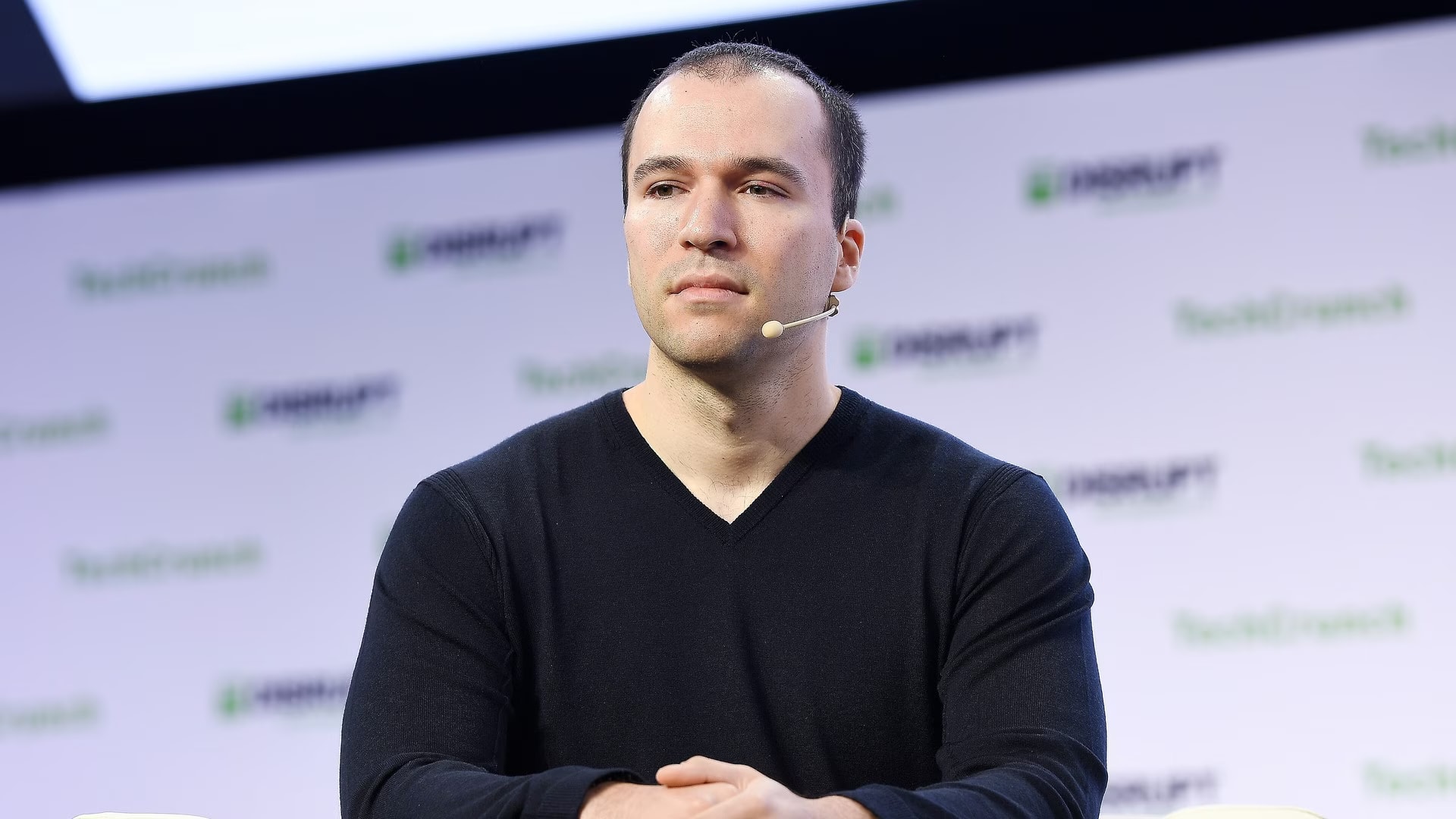
OpenAI, one of the most influential players in the artificial intelligence sector, is beginning active preparations to go public. As company president Greg Brockman announced at a technology conference in California, the organization expects to be ready for an initial public offering (IPO) by 2027. This announcement confirms long-standing expectations that OpenAI intends to enter the capital markets in the near future. ## Business Sector Dominance in OpenAI's Strategy According to Brockman, the vast majority of the company's revenue is now generated by corporate clients. This represents a significant shift in OpenAI's business model, which originally began with a consumer-focused chatbot. The company is actively working to strengthen its position in the business sector, where its primary competitor is Anthropic. To achieve this, OpenAI is developing a new platform that will integrate ChatGPT and the Codex coding tool into a unified, agentic ecosystem. This integration will enable the company to more effectively serve corporate partners who require automated and intelligent solutions. ## Financial Ambitions and Market Expectations Expectations surrounding OpenAI's IPO are exceptionally high. Reports suggest that CEO Sam Altman is aiming for a market valuation of $1 trillion. In June of this year, the company submitted confidential documents to U.S. regulatory bodies, signaling the formal commencement of the process to go public. OpenAI is currently seeking to raise capital in a new investment round, which could push the company's valuation to as high as $1.4 trillion. In the competitive landscape, Anthropic is currently ahead of OpenAI, as its own market debut is expected before the end of this year. ## What This Means for Georgia While OpenAI's IPO is directly tied to global stock exchanges, the process is significant for the technology sector worldwide, including in Georgia. Transitioning into a public company will require OpenAI to maintain greater transparency and stability, which should facilitate the further development of AI technologies. For Georgian developers and startups that actively utilize OpenAI's APIs in their products, the change in the company's status could signal a more stable and predictable partnership. In the coming period, we will see how OpenAI manages to balance market demands with investor expectations, a factor that will ultimately define the future of AI technology.