OpenAI Launches Grid Protectors to Stabilise Local Power Supplies
The tech giant is launching a pilot program in Georgia to manage energy demand and support local power grids.
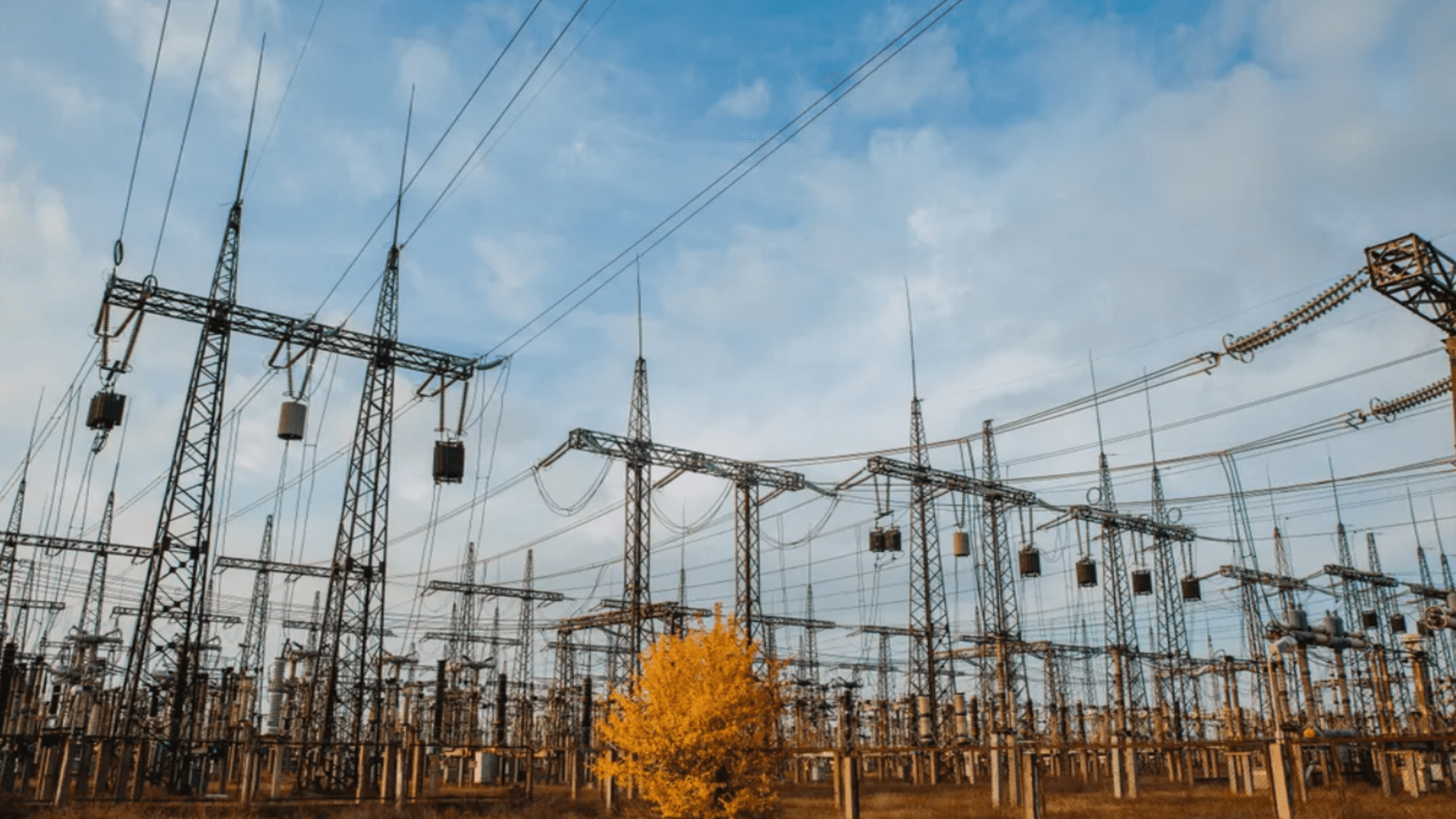
OpenAI, a leader in the artificial intelligence sector, has announced a new initiative titled the Grid Protectors Program. The primary objective is to provide reliable and accessible electricity to residents and local businesses situated near the company's data centres. This move comes as a direct response to growing concerns regarding the immense energy consumption required by AI technology.
Pilot project in Georgia
The program will launch as a pilot project at a planned data centre in Effingham County, Georgia. OpenAI has already secured an agreement with the local provider, Georgia Power, allowing the company to manage its energy consumption flexibly. The system is designed to provide up to 1,000 megawatts of flexible response capacity.
This technical solution enables the data centre to reduce or redistribute its energy usage during periods of critical grid stress. According to company data, this resource is sufficient to cover the energy needs of approximately 700,000 households—a figure exceeding the combined population of Washington and Boston. This is particularly vital during extreme heatwaves, when air conditioning systems place significant strain on the power grid.
Energy security and responsibility
OpenAI states that its future data centres will be technologically more flexible than older-generation facilities. Through the Grid Protectors program, the company commits to working closely with local governments, regulatory bodies, and utility providers.
The initiative also includes financial guarantees. OpenAI is prepared to mitigate risks associated with project delays or cancellations through long-term contracts. The company stated that it wants its data centres to be perceived not as a burden on the energy grid, but as infrastructure that supports the community.
What this trend means
As artificial intelligence continues to develop, the energy demands of data centres have become a subject of global debate. In many countries, local communities often protest the construction of such facilities, fearing they will cause energy shortages. With this step, OpenAI aims to demonstrate that technological progress and public well-being are not mutually exclusive.
Although the program is currently focused on the American market, it sets an important precedent. A responsible approach to energy infrastructure by technology giants is likely to become a standard in the future, ultimately increasing the sustainability of power supplies for consumers.