Nvidia’s New Gaming Robot: Microducks Become an Instant Hit
Small, agile, and open-source, Nvidia’s latest robotics project is set to be the must-have item of the holiday season.
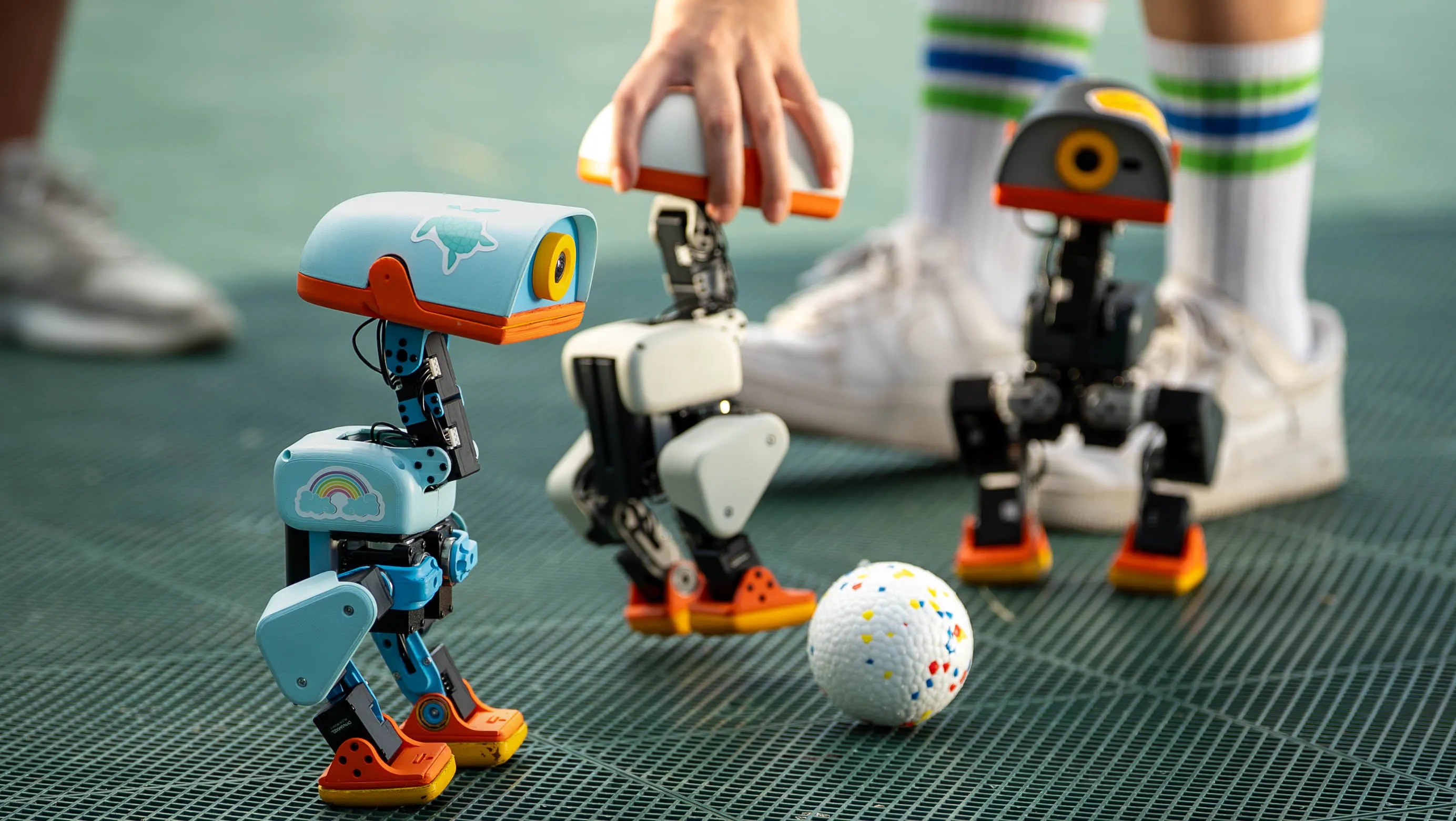
The tech world has found its latest obsession. At the GTC conference in Berlin, Nvidia CEO Jensen Huang introduced Microduck, a line of small, agile robots. With their charming appearance, R2-D2-like sound effects, and ability to respond to voice commands, they have become an immediate sensation online.
A Robot That Won Everyone’s Heart
Microducks are more than just decorative toys. They feature sophisticated movement capabilities, including walking, sitting, "sleeping," and even performing somersaults. Following the presentation, Clem Delangue of Hugging Face announced that pre-orders for the robots have already surpassed 20,000 units. It is anticipated that these small devices will be the most sought-after gift of the upcoming Christmas season.
While they may look like toys for children at first glance, Microducks are attracting significant interest from adult users as well. The project is designed not just for entertainment, but as an educational and creative platform.
Technological Background and Open Source
Microducks were created by Pollen Robotics. Notably, Hugging Face, which became part of Nvidia this past September, acquired the company in 2025. This is not Hugging Face’s first foray into robotics; they previously developed Reachy Mini, though the new project is achieving significantly greater popularity.
The robots were trained using Nvidia’s specialised technology stack, with basic movements taught through simulations. However, their primary advantage lies in their open-source nature: owners can independently train their robots to perform new "tricks" and share those experiences with the broader user community.
Why This Matters
Amidst recent developments in artificial intelligence, where discussions often focus on cybersecurity and the risks posed by AI, Microducks serve as a reminder that modern technology can also have a positive and entertaining function. These robots exemplify how complex algorithms and robotics can be made accessible and fun for the general public.
At this stage, the first batch is scheduled for delivery before Christmas. For enthusiasts interested in robotics and open-source technology, such projects are compelling not only as a form of entertainment but also as a platform for the practical study of programming and artificial intelligence.