Nvidia to Transform Old Telecom Buildings Into Data Centres
The tech giant aims to accelerate AI deployment by repurposing existing infrastructure.
Nvidia is expanding its infrastructure through a new strategic initiative. The company is currently in negotiations with telecommunications provider Brightspeed to repurpose more than 130 of its existing buildings into small-scale data centres. This move will allow Nvidia to significantly increase its computing capacity without the need to construct entirely new infrastructure from the ground up.
Why this decision is important
Brightspeed’s buildings were originally designed for telecommunications, meaning they are already equipped with the necessary power supply and network infrastructure. Nvidia estimates the total potential of these sites at approximately 1 gigawatt. This capacity is sufficient to house over 2,200 Supermicro Vera Rubin NVL72 server racks, each of which integrates 72 Rubin GPUs and 36 Vera CPUs.
While the buildings are prepared in terms of power supply, the project will still require additional investment for cooling systems and technical equipment. However, utilising existing infrastructure is a significantly faster and less bureaucratic process than building new data centres from scratch, which are often delayed by local community opposition and strict regulations.
An 'Inference Network' for AI
Building large data centres in the US is increasingly facing resistance, often resulting in moratoriums in various states. Against this backdrop, the distributed network of smaller centres proposed by Nvidia offers an alternative path. Such a structure is particularly effective for creating an 'inference network.'
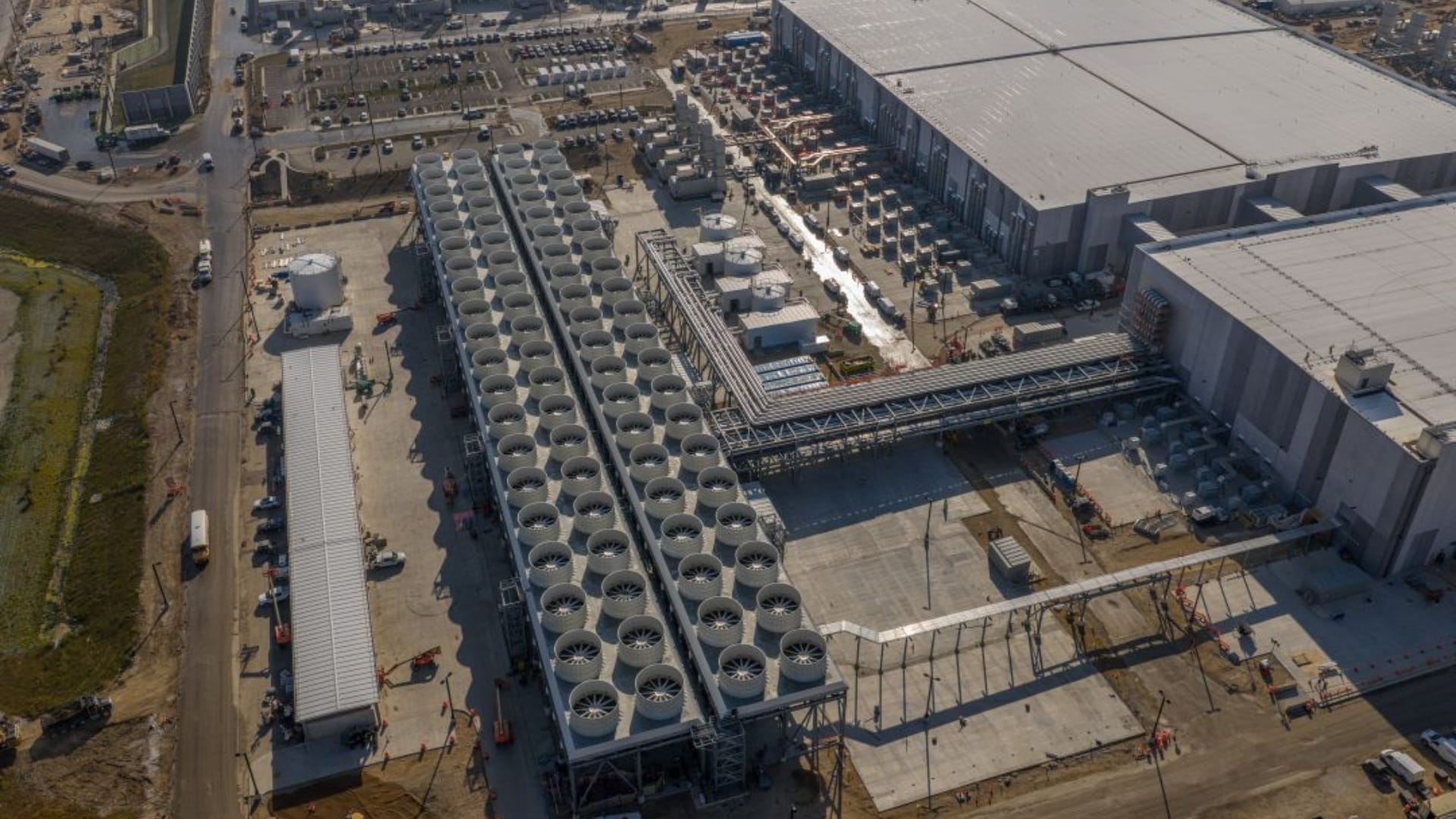
Unlike model training, which requires one massive cluster, running existing models and AI agents is more flexible when distributed across smaller, interconnected centres. This is especially relevant today, as the resources consumed by AI agents are 5 to 10 times greater than those typically required by human users.
What will be the impact?
Apollo Global Management, the firm behind the project, is already heavily involved in the AI hardware market, including a multi-billion dollar deal with SpaceX. Repurposing Brightspeed’s facilities will allow the company to deploy ordered chips in the shortest possible time, avoiding the years-long delays associated with new construction.
For readers in Georgia, this news is significant as it highlights how global AI development is increasingly reliant on infrastructure optimisation. Although these specific facilities are located in the US, the adoption of such models could become a global standard, improving data processing speed and accessibility worldwide.