Nvidia Tightens Restrictions on the Chinese Market
Foreign cloud providers must now ensure the majority of their income originates outside of China.
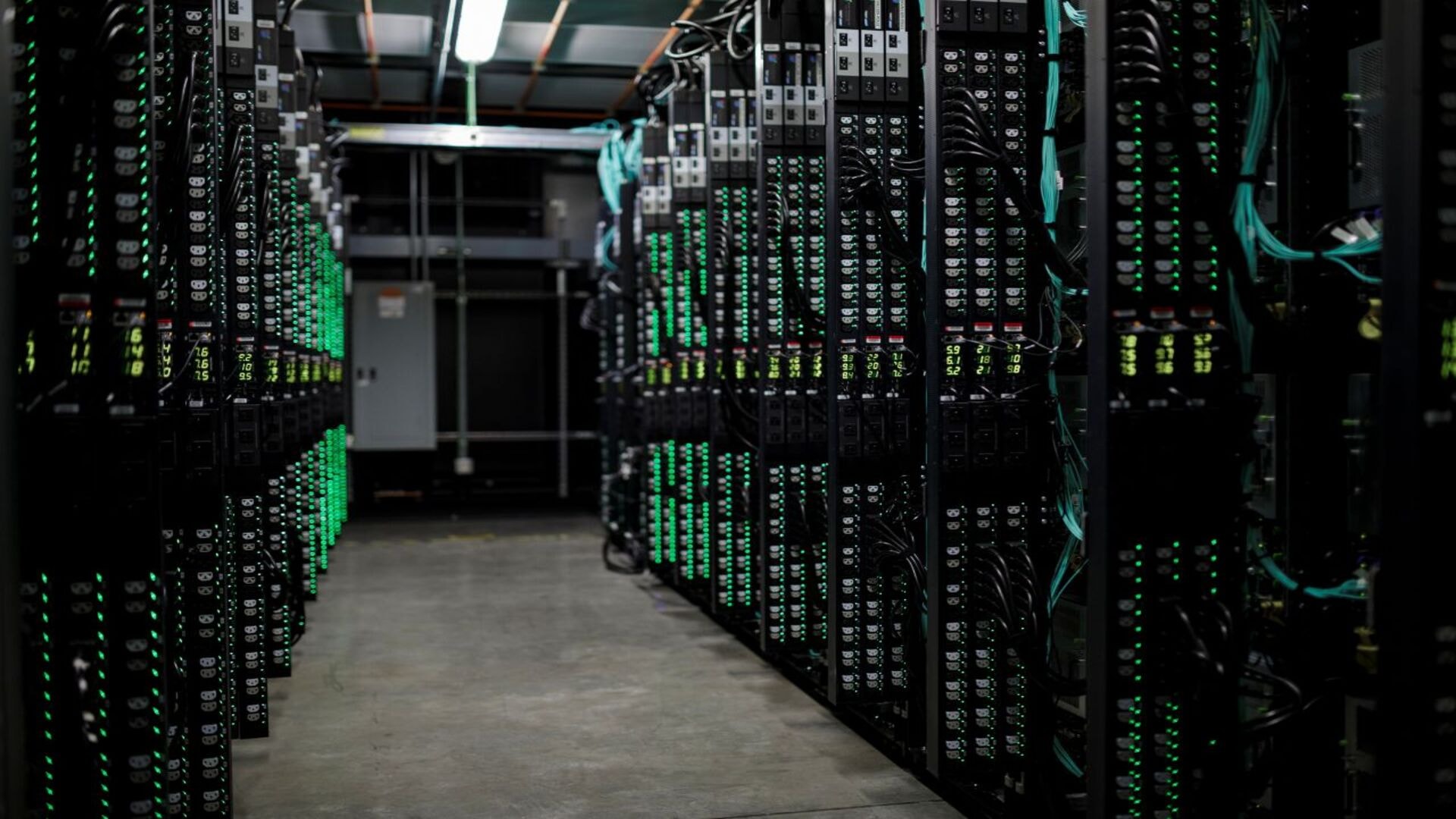
A New Reality for Global Data Centres
Nvidia, the leader in artificial intelligence, is further tightening control over the distribution of its latest processors. The company has imposed a new commercial requirement on foreign cloud providers aimed at limiting cooperation with Chinese technology firms. Under the new policy, data centres utilising Nvidia chips must ensure that at least 51% of their revenue is derived from clients based outside of China.
This move is directly linked to export controls imposed by Washington, which seek to restrict China's access to cutting-edge American technology. While official regulations explicitly prohibit the sale of these chips to China, Chinese companies have frequently utilised intermediary foreign cloud platforms to gain access to Nvidia’s most powerful processors, such as the B300 series models.
Why This Matters
Training artificial intelligence models requires immense computing power. A single rack of Nvidia B300 processors costs approximately $600,000 on the international market; however, due to shortages in China, the price reached as high as $2.8 million in October. This significant financial disparity highlights the intense demand for these technologies within the Chinese market.
Nvidia’s new rule, which has applied to new contracts since the summer, is being enforced globally. The company states that this approach serves to support the development of American infrastructure and global competitiveness. Nevertheless, for data centres operating in Singapore and other parts of Asia, this requirement has become a significant challenge. For those traditionally focused on the Chinese market, finding international clients and rapidly shifting their revenue structure presents considerable difficulty.
The Impact of These Changes
Beyond direct restrictions, Nvidia has significantly reduced the number of Asian companies authorised to purchase its chips this year. The company is conducting rigorous compliance checks to prevent prohibited technology from reaching China through intermediary channels.
Ultimately, this move will further squeeze Chinese technology giants. It is becoming increasingly difficult for them to find foreign cloud services willing to jeopardise their business model by risking their relationship with Nvidia. For those in the technology sector, this signifies that the pace of global artificial intelligence development will become further divided, forcing the Chinese technology ecosystem to rely more heavily on domestic resources or alternative, less powerful technological solutions.