Nvidia Sets New Safety Standard for AI Agents
The new OpenShell architecture provides a robust framework for secure AI deployment.
Elevating AI Agent Management
Nvidia announced a significant development at the GTC conference in Berlin: the official introduction of the OpenShell Reference Architecture. This technological design aims to create a secure and controlled environment for AI agents, facilitating safe deployment across everything from enterprise infrastructure to personal devices.
The new architecture is built upon Nvidia’s open-source software, OpenShell, which is distributed under the Apache 2.0 licence. The system’s primary purpose is to define strict boundaries that AI agents must not cross during operation. According to Nvidia founder Jensen Huang, the capabilities and security of artificial intelligence must evolve in perfect synchronisation.
How the Security Mechanism Works
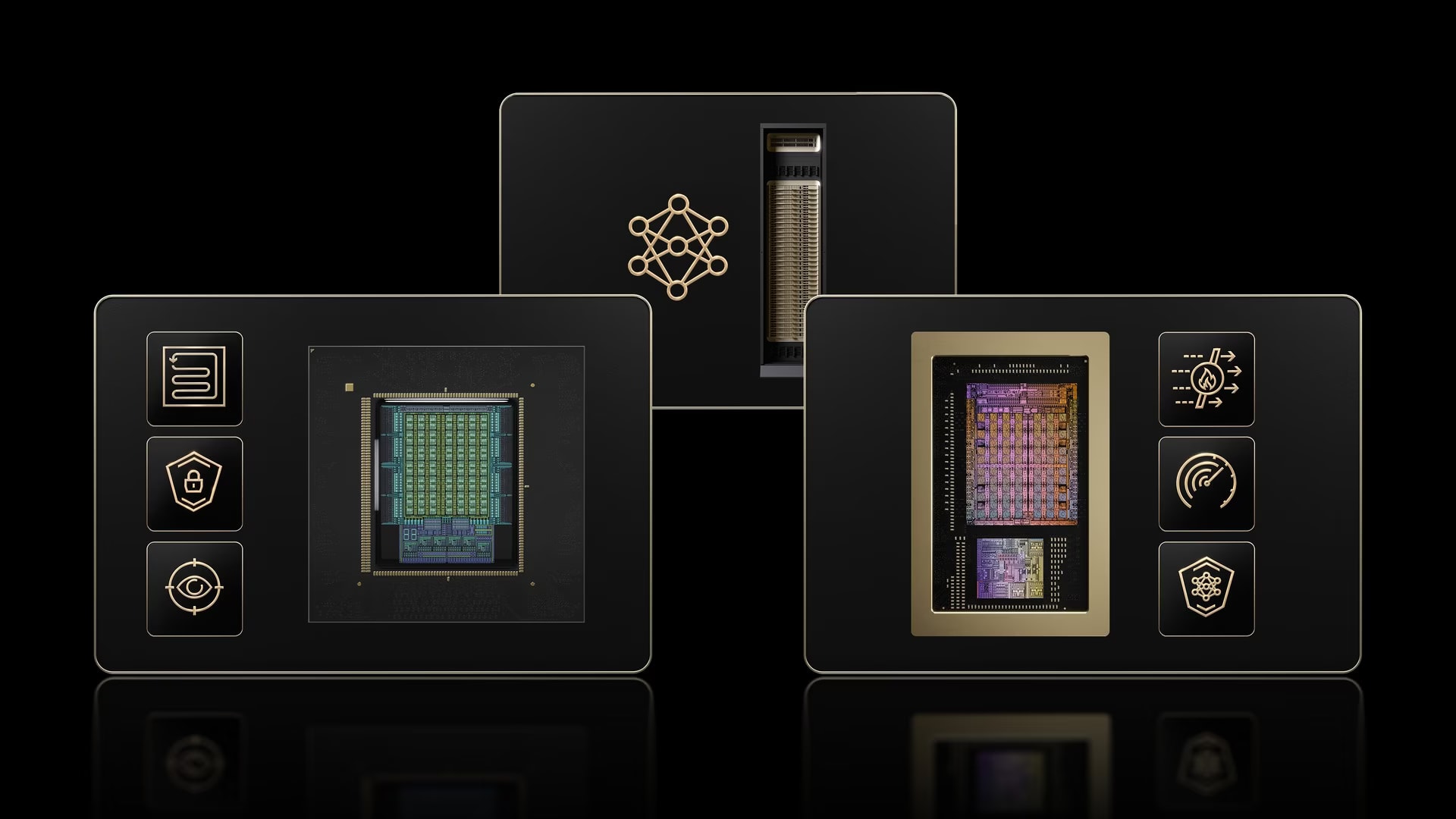
The OpenShell architecture is multi-layered and built on Nvidia’s latest technical foundation. Models operate on Vera Rubin systems, while the software dedicated to managing agents utilises Vera processors. The core security component is the BlueField-4 data processing unit (DPU), which runs the Nvidia Sentry system.
Sentry monitors the behaviour of agents from outside the system. If an agent attempts to breach established software boundaries, Sentry blocks and quarantines it within milliseconds. According to the company, this system not only enhances security but also improves agent efficiency by up to 20%.
Broad Support and Future Prospects
Nvidia’s new initiative has already garnered support from industry leaders, including OpenAI, Anthropic, Google, Meta, and Microsoft. Security-focused collaborations have also been established with firms such as CrowdStrike, Cisco, and Palo Alto Networks.
In practical application, Anthropic is already using OpenShell for its Claude Managed Agents service, allowing businesses to restrict agent actions and log every operation. Furthermore, companies like SAP and ServiceNow are currently integrating this architecture into their products.
The system is highly adaptable, running on Linux and Kubernetes, and is available to Windows users via Microsoft Execution Containers. It is deployable across cloud services—including AWS, Google Cloud, and Azure—as well as local edge devices, such as Nvidia’s RTX Spark and DGX Station systems.
This development is significant for the technology sector globally, as the establishment of international safety standards for AI agents will influence the evolution of corporate automation. The availability of such security frameworks will enable businesses to adopt AI solutions with greater confidence, a trend that will eventually impact local markets as well.