Nvidia RTX 6060 Launch May Be Delayed Until 2029

Bad news may be on the horizon for Nvidia graphics card enthusiasts. According to recent rumours, the company's next-generation budget GPU, the RTX 6060, might not reach the market until 2029. This forecast is based on insights from industry analysts who have been monitoring Nvidia's corporate strategy and the ongoing global component shortages.
Reasons and Expectations
The primary obstacle affecting Nvidia’s roadmap is the persistent shortage and rising cost of RAM. Typically, when component supplies are tight, Nvidia delays its more accessible, budget-friendly series to prioritise resources for more profitable, high-end models. It is estimated that 2028 will remain a challenging year for memory availability, which would naturally push the premiere of the RTX 6060 into 2029.
Meanwhile, the launch of the RTX 6090, 6080, and 6070 models is expected to take place in early 2028. This timeline aligns with the anticipated release of Sony’s next console, the PlayStation 6, which is also projected to arrive in 2028.
Comparison with PlayStation 6
One of the most discussed topics is the potential performance of the RTX 6060. There is speculation that the card may fall behind the PlayStation 6 in terms of frame rates. While the current RTX 5060 is relatively comparable to the PS5 Pro, this balance could shift in the next generation.
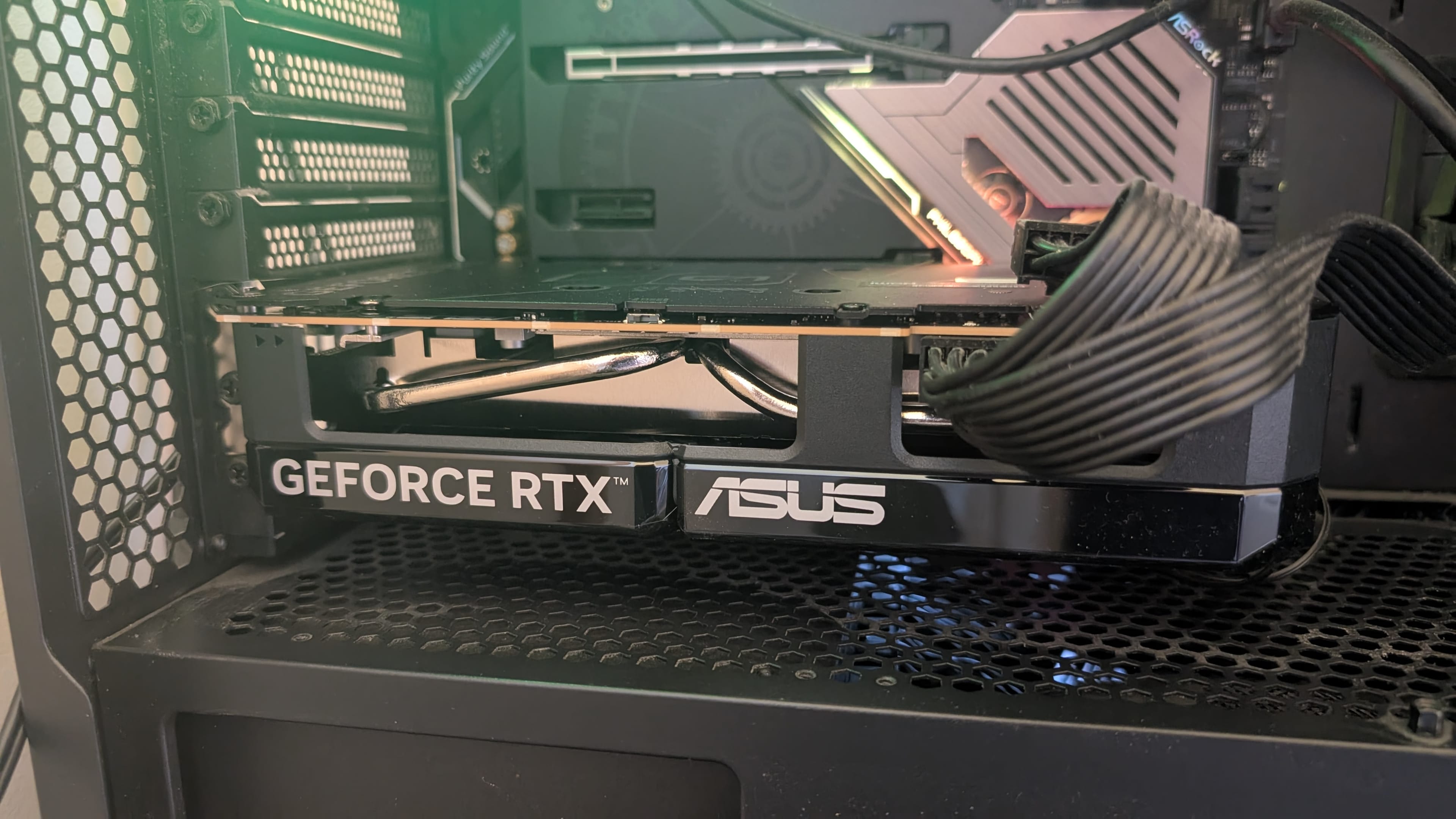
Of course, these are only projections, and predicting technical specifications this far in advance is difficult. However, if Nvidia continues to limit VRAM on its budget models—as seen in current series—it will likely be a source of frustration for PC gamers. Consoles often provide an optimised environment where hardware functions with maximum efficiency, making it increasingly difficult for the PC market to compete.
What to Expect in the Future
For users planning to build gaming PCs, this information is worth noting. If Nvidia does indeed delay the refresh of its budget segment, mid-range gamers in the coming years may have to settle for existing RTX 50-series models or look toward products from competing companies.
So far, there has been no official statement from the company. Nvidia typically reveals details about its roadmap shortly before a product launch. Until then, gamers will have to watch how the semiconductor and memory markets evolve, as these factors will ultimately determine when the new generation hits retail shelves.