Nvidia RTX 5090 Shortage: Prices Reach Record Levels
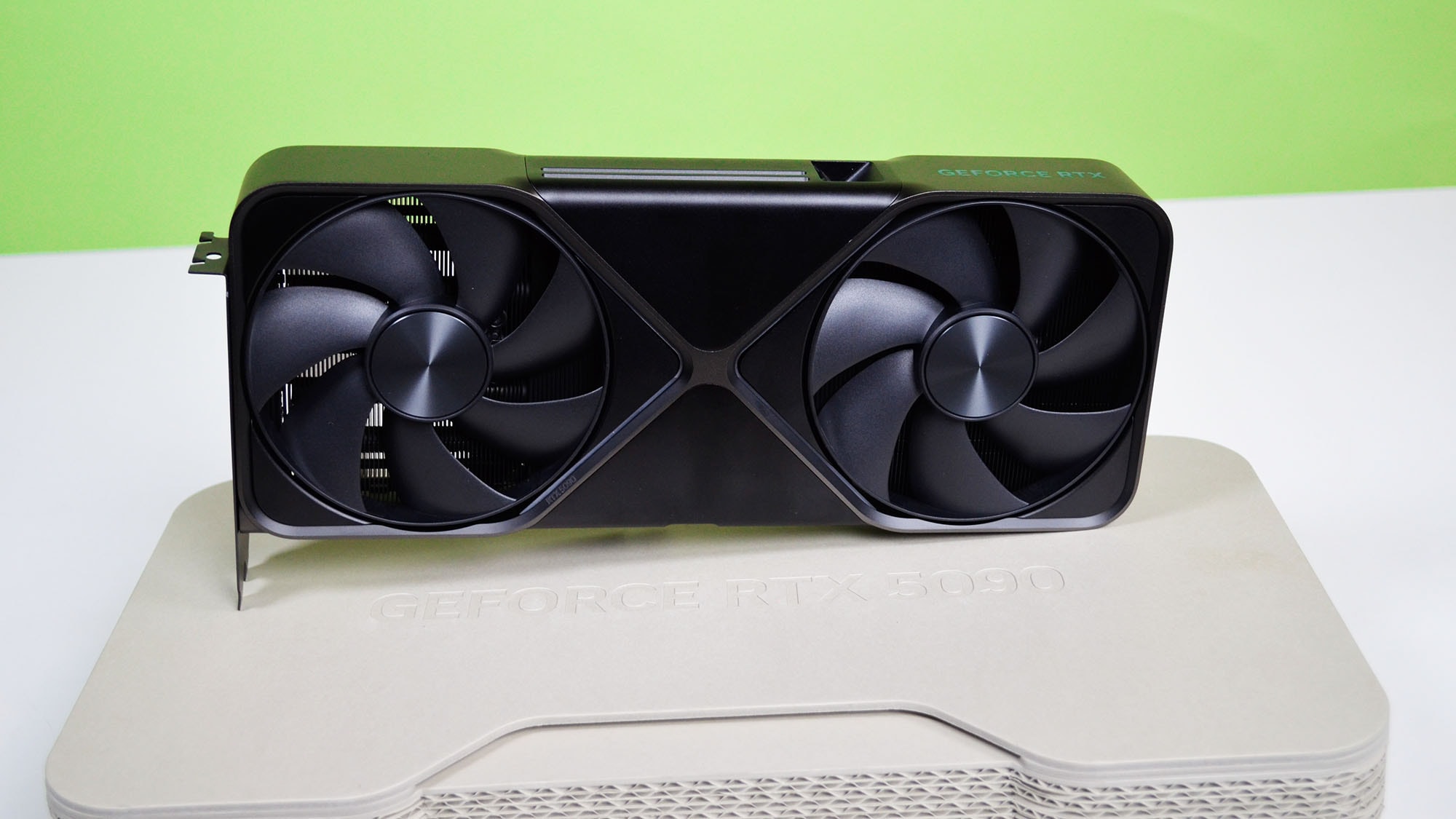
Nvidia’s latest flagship graphics card, the GeForce RTX 5090, is facing a severe shortage in the US market. As demand continues to climb, acquiring both individual cards and pre-built systems equipped with this component has become increasingly difficult and expensive. The situation has intensified to the point where major technology giants, such as Lenovo and HP, are no longer able to offer systems configured with this model on their online stores.
A Catastrophic Surge in Prices
Initially, the retail price of the RTX 5090 was approximately $1,999. However, amid the current shortage, market prices have surged significantly. For instance, the ASUS TUF Gaming RTX 5090 model is listed on Amazon for $7,679, representing a nearly 284% increase over the original price. On other platforms such as Newegg or B&H Photo Video, prices range from $4,500 to $6,000, though they are frequently listed as "out of stock."
HP’s premium OMEN MAX 45L system, valued at $7,999, is currently unavailable. A similar situation persists on Lenovo’s official website. Consumers requiring this level of hardware are often forced to turn to independent manufacturers like Skytech or CLX, or Dell’s Alienware series, where prices often climb between $10,000 and $13,000.
Why is the RTX 5090 in Such High Demand?
The RTX 5090 is not intended solely for gamers. Its 32GB of GDDR7 memory and massive computational power make it an ideal tool for locally training artificial intelligence (AI) models and performing complex graphical rendering. Consequently, demand from professionals is also high, further exacerbating the shortage.
Although Nvidia has not officially announced a cessation of production, the scarcity in the market presents a serious problem for both enthusiasts and professionals. It is difficult to predict when supply will stabilize, but the sharp rise in prices clearly indicates that demand far exceeds actual stock. For international customers planning to purchase hardware from foreign platforms, this means that finding an RTX 5090 at an adequate price will be nearly impossible in the near term. The situation is expected to improve only when supply chains scale to meet demand; until then, the current black-market-style pricing is likely to persist.