Nvidia May Introduce Annual Subscription Fees for GPUs
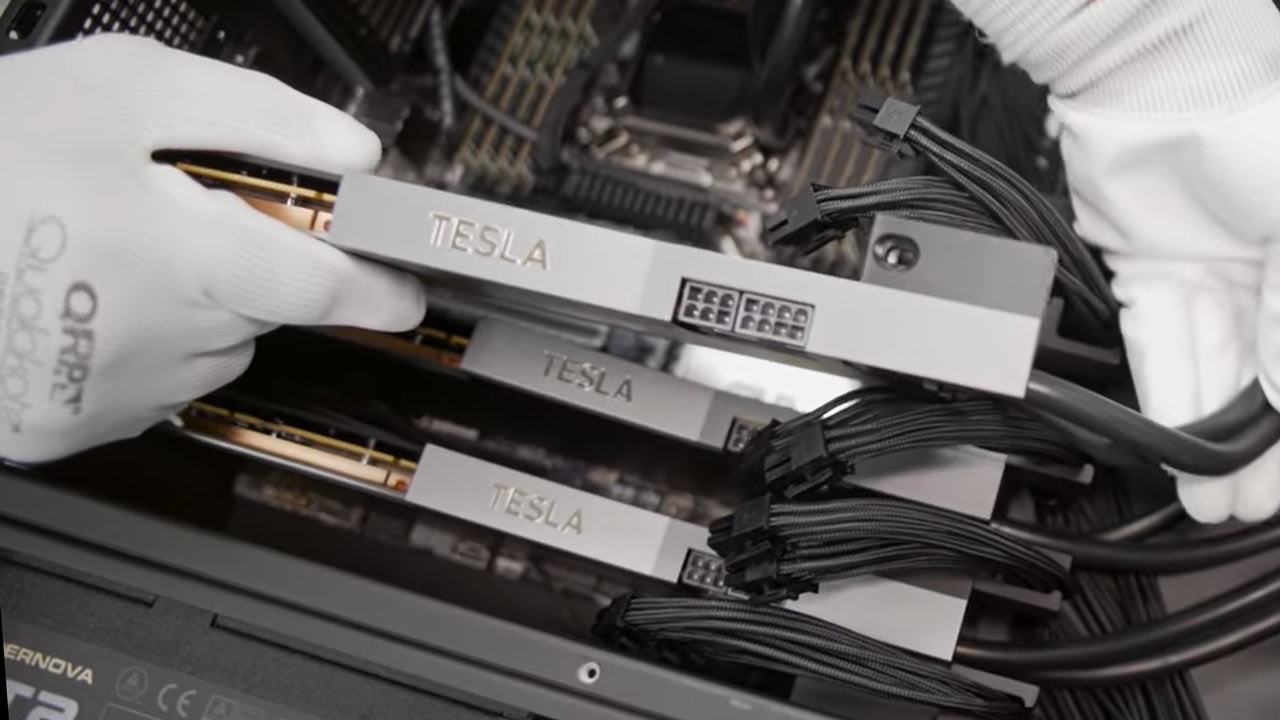
Nvidia, currently the world's leading supplier of artificial intelligence (AI) chips, is preparing for a significant shift in its business model. Speaking at the GTC conference in Berlin, CEO Jensen Huang announced that the company will focus not only on hardware but also on software services. Specifically, the company is considering an annual licensing fee of approximately $2,000 per GPU.
A New Revenue Stream or Service Expansion?
Huang stated that this fee would allow the company to ensure the efficient operation of "AI factories," where autonomous AI agents perform tasks at scale. If this model is implemented, it could generate billions of dollars in additional revenue for Nvidia. Analysts estimate that with five million licensed GPUs, the company could earn $10 billion annually, reaching $50 billion over a five-year period.
However, many questions remain. Nvidia already offers the AI Enterprise platform, which costs $4,500 per GPU. It is currently unclear whether the proposed $2,000 fee is part of an existing package or an entirely new service. The company has not officially confirmed when this tariff will take effect or which software tools it will include.
Security as a Priority
Central to Nvidia's software strategy is the new OpenShell architecture, designed to make the operation of AI agents safer. In modern enterprises, AI agents have access to databases and various tools, creating new security challenges. OpenShell, alongside the Nvidia Sentry monitoring system, allows agents to be placed in "quarantine" if they exceed established boundaries.
Tech giants such as Anthropic and Salesforce are already joining this initiative. The partnership aims to create a more controlled environment for businesses where AI actions are transparent and manageable. Nvidia's goal is to transition from being a chip manufacturer to a full infrastructure provider, encompassing networking technologies, security systems, and management platforms.
What This Means for Global Markets
Although this development primarily concerns large technology corporations, it will impact the global cost and accessibility of AI technologies. Companies utilizing Nvidia's cloud solutions or developing their own data centres may face increased costs for maintaining AI infrastructure, or conversely, benefit from more secure and standardised services. Nvidia's transformation from a "chip company" to an "AI infrastructure provider" means that future reliance will shift increasingly toward the company's software ecosystem rather than just the hardware itself.