Nvidia Founder at Center of Scandal: Jensen Huang’s Future Uncertain
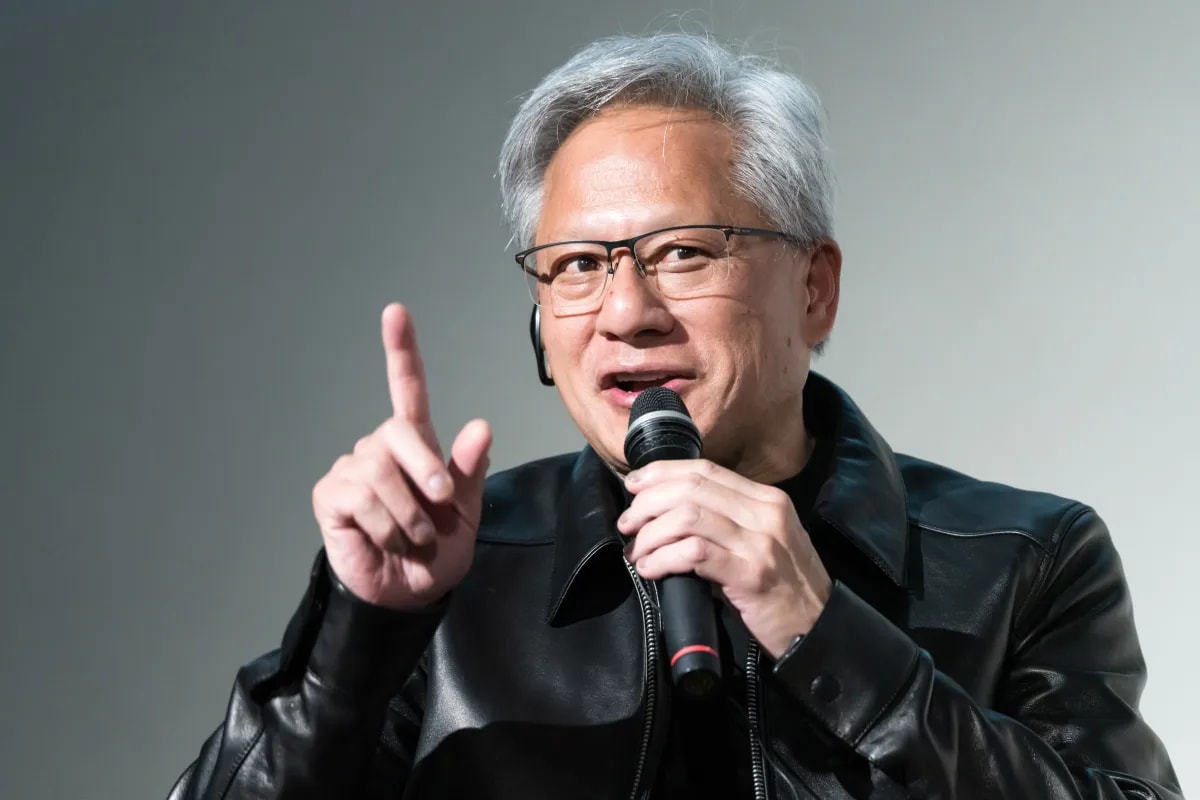
Crisis at the Top of Nvidia
The technology sector is reeling after Nvidia’s board of directors launched an independent investigation. The move follows an admission by CEO Jensen Huang to employees that he had a romantic relationship with Alice Huang, the CEO of Megaspeed. The situation extends far beyond a breach of corporate ethics: U.S. officials suspect that Alice Huang has been spying for China, allegedly funneling strategic company information to Beijing.
While the Chinese embassy in Washington has dismissed these allegations as "baseless slander," the issue has escalated well beyond national security concerns. Nvidia is currently the backbone of the artificial intelligence industry, with global technology and financial systems heavily dependent on its chips. The lapse in judgment by Jensen Huang now threatens not only his career but the stability of the entire company.
Can Huang Survive?
Jeffrey Sonnenfeld, a professor at the Yale School of Management who specializes in corporate leadership, assesses Huang’s position as a "50-50" toss-up. He describes the situation as a display of "extraordinarily poor judgment." Even if Huang was naive and unaware of his partner’s alleged espionage activities, such behavior would typically result in immediate termination for any other employee.
Nvidia’s challenge is compounded by a lack of a clear succession plan. Huang built the company with a flat management structure, maintaining roughly 60 direct reports, which creates a vacuum in the event of any sudden leadership change. The board is reportedly considering the possibility of bringing in an external "messianic" figure, though such a transition would be exceptionally difficult.
Financial Network and Risks
Nvidia is no longer just a chip manufacturer; it has become the central "bank" of the AI economy. The company holds investments in OpenAI, Anthropic, xAI, and other startups. Furthermore, Nvidia has entered into agreements with major investment funds, including BlackRock and Goldman Sachs, to mobilize $500 billion. A leadership crisis at the heart of such an extensive financial network could signal the beginning of a collapse.
For Nvidia’s board, the primary task is determining what technological data may have reached China. Particular attention is being paid to the partnership with Megaspeed, which purchased $2 billion worth of chips last year. Although Nvidia previously denied allegations regarding the diversion of chips to China, this new investigation has reignited those concerns.
What Happens Next?
Jensen Huang remains at the helm of the company, but he faces a difficult period ahead. He is scheduled to testify before the U.S. Congress on November 18, following Nvidia’s quarterly earnings report on November 17. Investors and partners will now decide whether Nvidia’s future remains tied to Huang’s judgment.
For observers in Georgia, where the country is carving out its place on the technology map, this event is significant as Nvidia’s products and services are integral to local digital infrastructure. A crisis originating in the heart of Silicon Valley could impact global supply chains and the pace of AI development worldwide.