Nvidia DLSS 5 Technology Is Now Available on AMD Graphics Cards
A new unofficial modification brings neural rendering and frame generation to Radeon hardware.
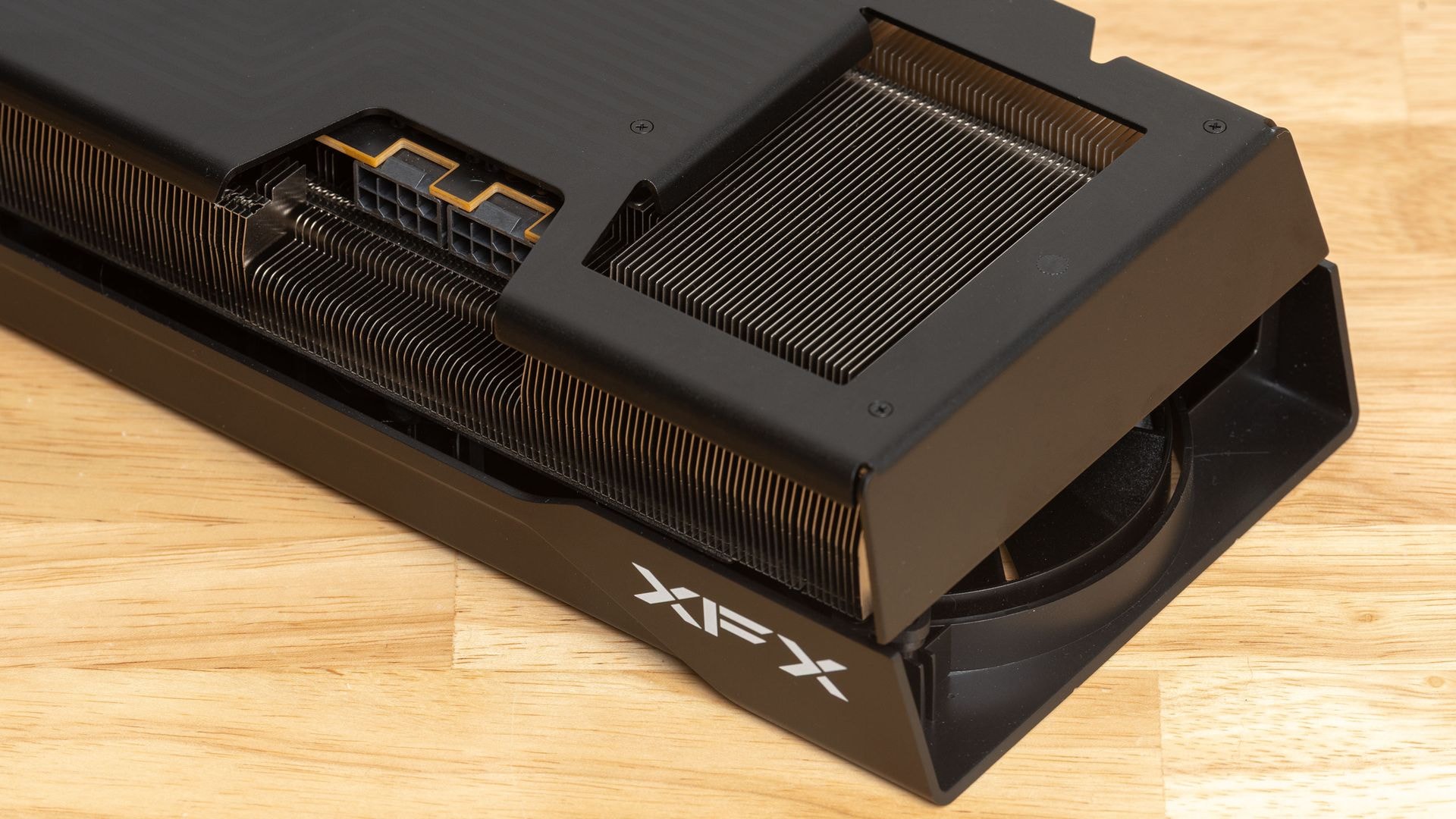
The rivalry between Nvidia and AMD graphics processors has reached a new milestone. Developer Daniel Blanco has released version 0.8.0 of the DLSS-NR project, enabling owners of AMD Radeon video cards to access Nvidia’s iconic technologies, including the full potential of DLSS 5. This development is particularly significant for gamers seeking the benefits of neural rendering, a feature previously exclusive to Nvidia’s RTX series.
What does the new modification offer?
While the DLSS-NR project originally focused on neural rendering support, this update transforms it into a versatile tool. The modification includes DLSS Super Resolution 4.5, Frame Generation, Ray Reconstruction, and the latest Neural Rendering model. Notably, it integrates FSR 4.1.1, ensuring stable performance across various titles, regardless of how AMD’s proprietary technology was originally implemented.
Installation is managed through NeuralHub, which provides a user-friendly interface. The system automatically detects DirectX 12 games and allows players to adjust graphics settings via a special menu without exiting the game. Support covers the last three generations of Radeon cards: the RX 6000, 7000, and 9000 series, corresponding to RDNA 2, 3, and 4 architectures.
Performance and Limitations
According to the developer’s testing, games on an RX 9070 XT at 1080p resolution reach 90-100 FPS, an impressive result. However, real-world user feedback varies; while some report no performance issues, others have noted up to a 25% drop in performance. The developer is working on daily optimizations, aiming to bring the modification’s performance to the level of an Nvidia RTX 5070 Ti.
Despite this technical progress, there are important limitations to consider. The modification does not work in games with anti-cheat systems, as they identify modified files as a security threat. Additionally, some visual effects may not function perfectly, though the developer is actively working to resolve these bugs.
For gamers using AMD cards, this project offers an intriguing opportunity, though it should be approached with caution. As an unofficial solution, it expands the capabilities of your graphics card but does not come with official support. If you are an enthusiast willing to experiment, you can use NeuralHub to test how this modification improves your favourite titles.