November's Full Moon: What You Need to Know About the Beaver Moon
The November Full Moon and the Supermoon Phenomenon
Astronomy enthusiasts are in for a special treat in November 2026. On 24 November, during the afternoon according to Tbilisi time, the moon will reach its full phase. This event is notable as it marks the beginning of a cycle of three consecutive supermoons. A supermoon occurs when the moon is at its closest point to Earth in its orbit, known as the perigee. As a result, our natural satellite appears approximately 14% larger and 30% brighter than usual.
Traditionally, the November full moon is called the "Beaver Moon." This name originates from the Old Farmer's Almanac and relates to the period when beavers store food and retreat to their lodges as winter approaches. In different cultures, it is known by other names; for example, Indigenous peoples in Canada call it the "Frost Moon," while the Tlingit tribe refers to it as the "Digging Moon."
How to Observe the Moon
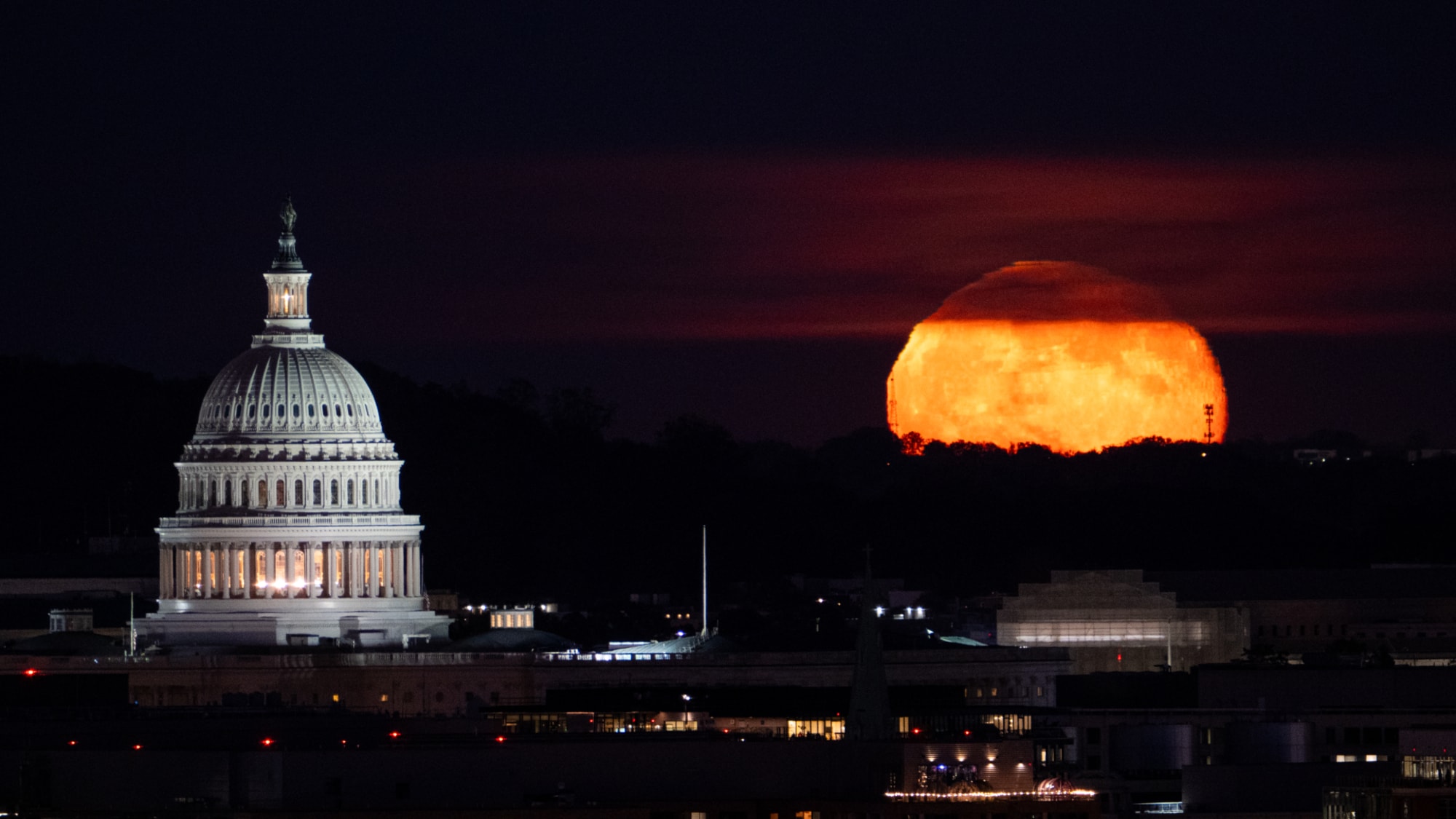
Although the moon's peak illumination is recorded at a specific time, you can enjoy its beauty on the evenings of 23 and 24 November. If you wish to photograph the moon, keep the "moon illusion" in mind—when the moon is near the horizon, it appears visually larger than when it is at its zenith. During this time, due to atmospheric phenomena, specifically Rayleigh scattering, it may also take on a yellowish-orange hue.
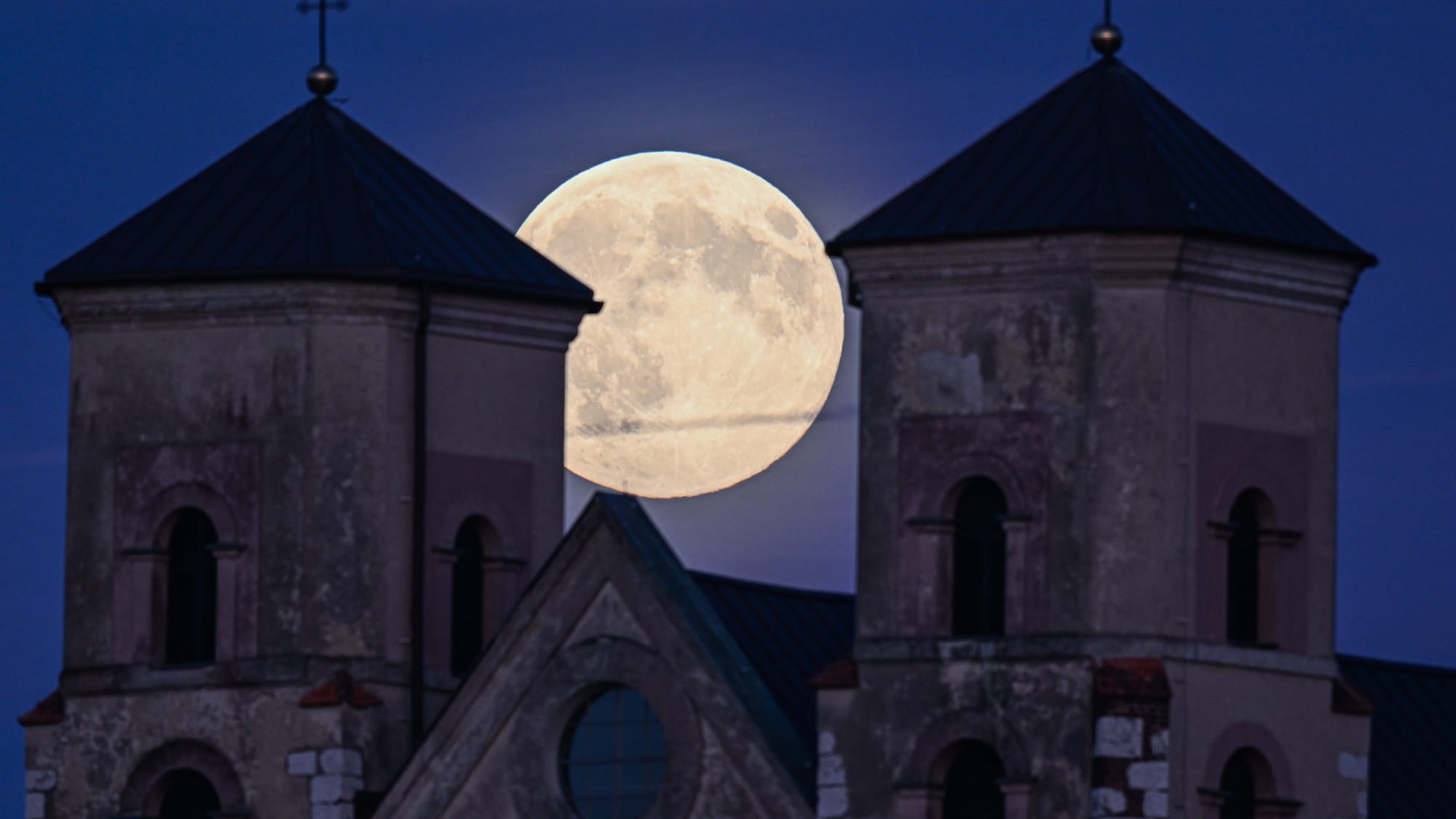
You do not need expensive equipment for observation. If you have binoculars, you can view the details of the lunar surface more closely. For photography, using a tripod is recommended to ensure maximum image stability. If you want more detailed shots, it is advisable to use a lens with a focal length of at least 400mm.
Beyond the Moon
During the period of the November full moon, other interesting celestial bodies can be seen in the sky. Mars, Jupiter, and Saturn are particularly visible these days. Specifically, Mars shines steadily in the constellation Leo, next to Jupiter, while Saturn is located in the constellation Pisces. Venus will appear in the morning sky as the "Morning Star."
For those wishing to observe from Georgia, we recommend using special mobile applications such as Stellarium or SkySafari to accurately determine the moon's rise time and direction based on your specific location. These apps will help you ensure you do not miss any significant astronomical moments and allow you to plan your observation as effectively as possible.