November 6, 1572: When a 'New Star' Appeared in the Sky
Over 450 years ago, astronomers observed an unusual event in the sky that challenged the established understanding of the universe at the time.
A Cosmic Event That Changed History
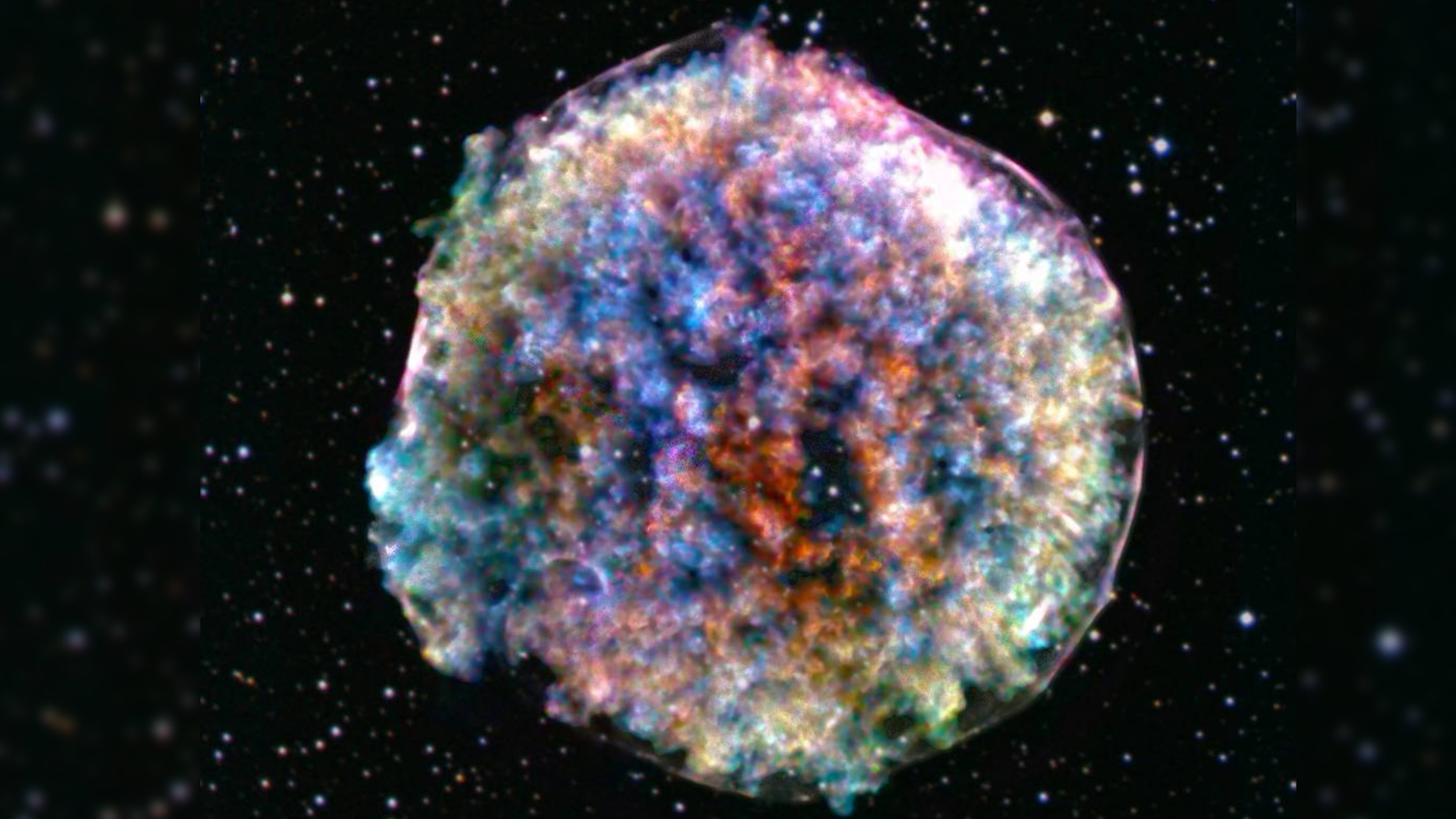
November 6, 1572, is considered a turning point in the history of astronomy. On this day, German astronomer Wolfgang Schulër observed a bright object in the constellation Cassiopeia with the naked eye. It was so luminous that it was visible even during the day, matching the brightness of Venus. At the time, this event was a complete mystery, as prevailing scientific beliefs held that the starry sky was immutable and constant.
Although Schulër may have been the first to notice the event, it remains associated in history with the Danish astronomer Tycho Brahe. Brahe studied the phenomenon in detail and published a book titled De Stella Nova (Latin for "Concerning the New Star"). For this reason, the object is known today as "Tycho's Star." Scientists of the era did not realize they were dealing with a supernova, as the term and concept simply did not exist then.
What Was 'Tycho's Star' Really?
It was not until the 1940s that scientists determined the 1572 event was actually a supernova explosion. Today, we know it as SN 1572. Modern research classifies it as a Type Ia supernova, which occurred in a binary star system: a white dwarf star drew matter from its partner, eventually triggering a catastrophic explosion.
According to researchers at the University of California, Berkeley, this event coincided with the end of the "Dark Ages" in Europe. The records left by Tycho Brahe still help astronomers understand how the star's brightness changed over time. It provided the first real evidence that the heavens were not unchanging, giving a powerful impetus to the development of scientific thought.
What Is Happening Today?
Although centuries have passed since the 1572 event, the cosmos continues to surprise us. Today, astronomers are closely monitoring the star T Coronae Borealis, known as the "Blaze Star." Scientists speculate that it may explode in the near future. However, this will be a nova—an explosion less massive than a supernova that does not completely destroy the star.
Tycho's supernova is located 13,000 light-years away from us. This means the explosion actually occurred thousands of years ago, but its light only reached Earth in the 16th century. This historical example serves as a reminder of how dynamic and changeable our universe is, even when everything seems immutable at first glance.