Nintendo's Ocarina of Time Remake: A Modern Vision of a Classic
Preserving a Classic Experience
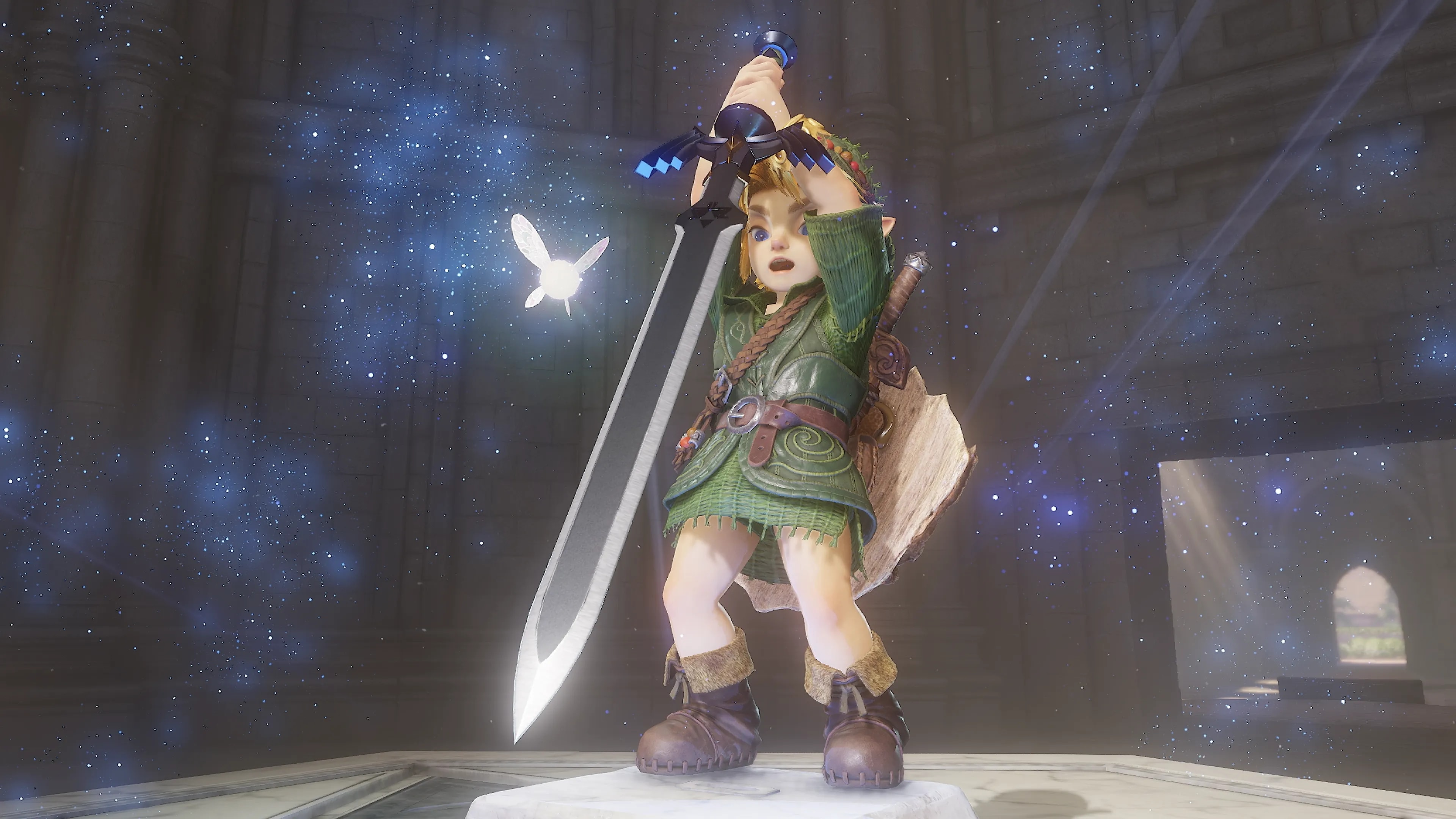
The new version of The Legend of Zelda: Ocarina of Time, created for the Switch 2, is a compelling blend of past and present. The project was led by franchise veterans Eiji Aonuma, who directed the original game, and Hidemaro Fujibayashi, who set new standards with Breath of the Wild. However, the team also included many young developers, some of whom had never played the 1998 original. Their fresh perspective helped achieve the "elegance" the team aimed for—retaining only what was truly essential.
Modern Controls and Freedom
The original work was Nintendo's first attempt at a 3D world, which, by today's standards, involved certain limitations. After the freedom offered by Breath of the Wild and Tears of the Kingdom, fixed camera angles or restricted movement would have been uncomfortable for players. Therefore, the new version adds full camera control and a free-jumping feature. According to Aonuma, adapting the world to this freedom was necessary to provide players with more ways to reach their goals.
Changes Players Expected
One of the main goals of the remake was to eliminate the issues that plagued the original. For instance, Navi, the fairy who guides the player, was often irritating in the original due to her constant prompts. In the new version, her dialogue has been significantly reduced and replaced with a more convenient journal system. Additionally, the Water Temple, known for its difficulty and cumbersome mechanics, has been greatly simplified. The developers admitted that adapting this classic dungeon to modern standards was one of the most rewarding parts of the process.
The Future of the Franchise
For Aonuma, reworking Ocarina of Time was also an opportunity to highlight the diversity of the Zelda series. While Breath of the Wild develops the open-world concept and other projects remain more experimental, Ocarina of Time remains the benchmark for classic, structured gameplay. It is important for Nintendo to maintain these different approaches. The involvement of young developers offers hope that this "Zelda" language and development philosophy will continue in the future. They managed to respect past experience while bringing it into a form suitable for the modern player.