New Samsung Feature: Recording WhatsApp and Telegram Calls
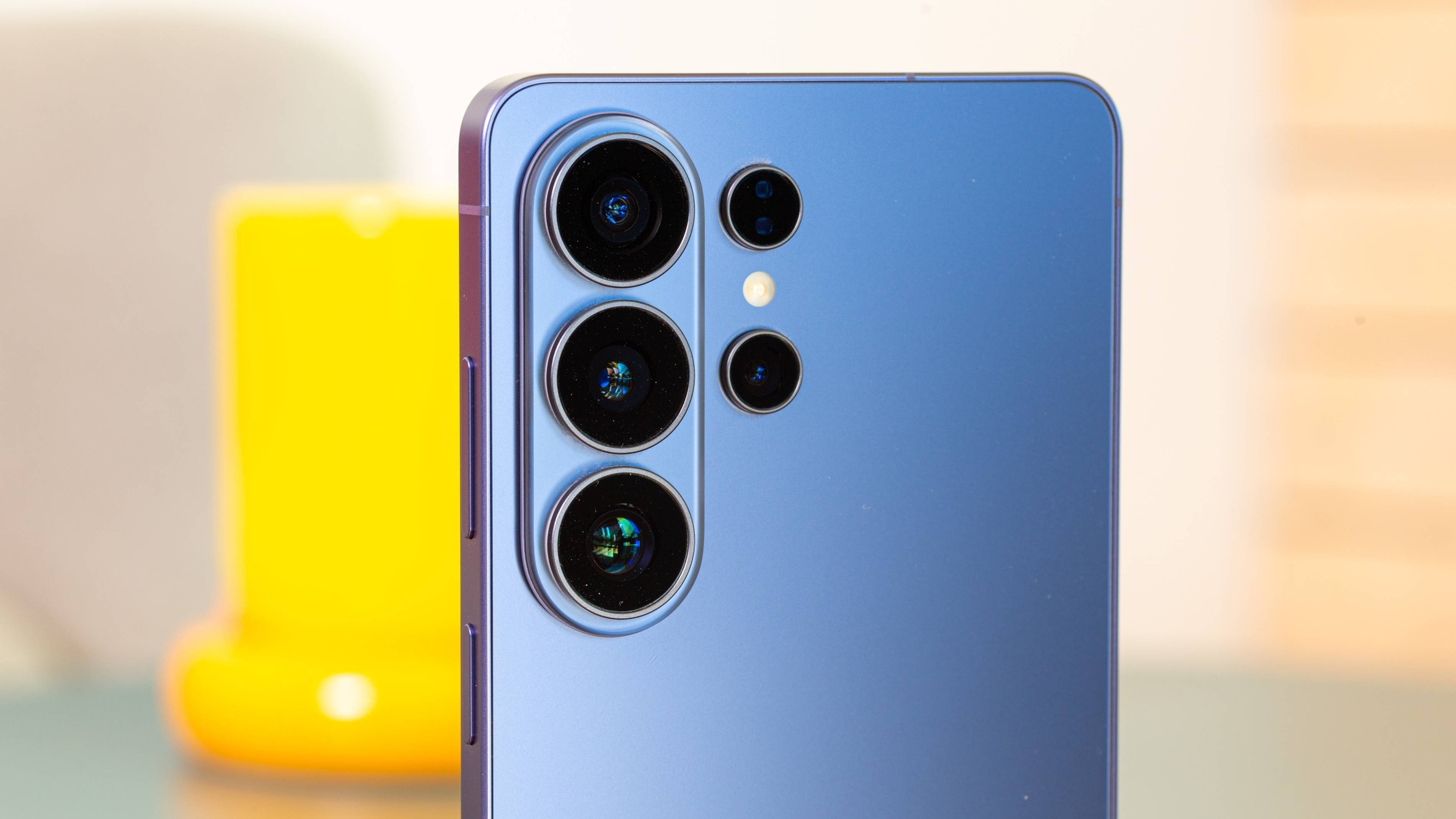
A New Capability for Galaxy Users
Samsung is actively working on updates for its One UI operating system. While the company is currently rolling out the stable version of One UI 9, the tech world is already focused on the upcoming intermediate update: One UI 9.5. Reports indicate that this version will offer users a unique capability: recording voice calls made within third-party applications such as WhatsApp and Telegram.
Currently, Samsung smartphones are limited to recording calls made through the standard phone application. Recording calls in various messengers often requires third-party software that can be complex, unreliable, and sometimes insecure. With One UI 9.5, this issue will be officially addressed at the system level.
How Call Recording Will Work
Activating the new feature will be straightforward. Users will be able to navigate to the settings section of Samsung’s standard Phone app. A new menu titled "Call recordings and transcripts" will be added, which will house the "Record calls in other apps" function.
This menu will display a list of installed applications that support call recording. A toggle will be placed next to each app, allowing users to decide whether to enable recording for specific services. It is expected that the list will include popular platforms such as WhatsApp, Telegram, and Google Meet.
Legal Restrictions and Significance
It is important to note that the availability of this feature may depend on the legislation of specific countries. In some jurisdictions, call recording is strictly regulated, so Samsung will not roll out this tool uniformly across all regions. However, in countries where the law permits it, the feature will function fully.
This development is particularly relevant in today's environment, where the number of fraudulent calls via messengers has increased significantly. The ability to record calls will allow users to better protect themselves and preserve evidence if necessary. If Samsung successfully implements this feature, it is highly likely that other manufacturers will follow suit, making the Android ecosystem even more functional.