New Russian Drone Defences: The Challenges of Electronic Warfare
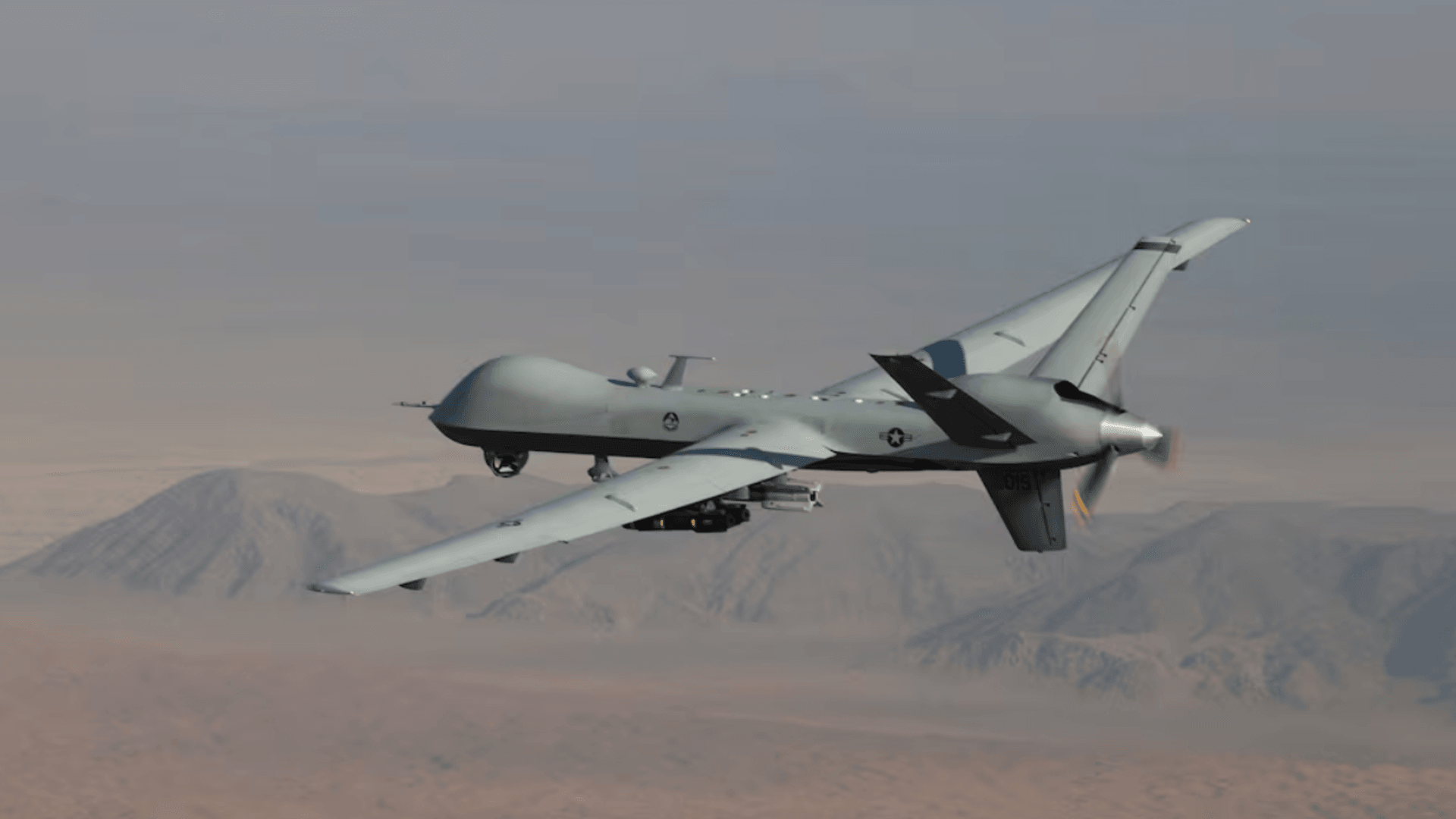
In modern warfare, electronic warfare (EW) has become a decisive factor. Recent data indicates that Russia is modernising the navigation systems of its attack drones, specifically the Shahed series, to bypass Ukrainian jamming systems. To achieve this, the number of antenna elements mounted on the drones is being significantly increased.
Technological Update: From 16 to 32 Elements
The navigation system, known as Kometa, is produced by VNIIR-Progress and facilitates satellite signal reception. Previously, 16-element antennas helped drones distinguish real signals from artificial interference. However, during recent attacks on Kyiv, Ukrainian specialists discovered 32-element systems within the drones.
Experts explain that a higher number of antenna elements allows the system to neutralize sources of electronic jamming more effectively. The 32-element configuration is essentially a combination of two 16-element arrays, enabling the system to operate on multiple satellite frequencies simultaneously. Russia has already ordered more than 100,000 such modules, suggesting plans for large-scale implementation not only in drones but also in guided missiles and other types of weaponry.
Ukrainian Countermeasures and Alternative Methods
Despite these technical improvements, Ukrainian military experts state that these systems are not invincible. The Ukrainian side is already working on new methods, including dual-layer jamming that operates simultaneously on L1 and L2/L5 frequencies.
In addition to direct jamming, satellite "spoofing" is being employed—a technique where a drone is fed false coordinates. Using this method, the drone continues its flight, but the autopilot, relying on the false data, unintentionally changes course, diverting the aircraft away from populated areas toward safe zones.
What Comes Next?
Russia’s massive order for this technology indicates that aerial attacks will become increasingly difficult to repel. If electronic warfare assets cannot effectively jam drone navigation systems, Ukraine will be forced to expend more resources on physical interception methods, such as anti-aircraft systems and specialized air interceptors, significantly increasing defence costs.
For observers in Georgia, who are closely monitoring the technological developments of modern conflicts, these events underscore the critical importance of electronic security. Developing defences against drones and creating effective countermeasures remains one of the top priorities for the global defence industry today.